Day 1:Departure
We meet at Gardermoen, greet the rest of the group, and head toward Kathmandu.
We meet at Gardermoen, greet the rest of the group, and head toward Kathmandu.
Join us on a mountain trek to the small, secluded kingdom of Bhutan. The 13-day trip starts in bustling Kathmandu, but we’ll quickly make our way to Bhutan to experience stunning mountains and a culture unlike anything you’ve ever seen before!
We’ll start in Kathmandu, an exciting and somewhat chaotic metropolis. On the flight to Paro, we might catch a glimpse of Mt. Everest if we’re lucky. In Bhutan, everything moves at a slower pace; there are fewer people and cars, and this is the only country in the world where the capital has no traffic lights. We’ll experience stunning nature, fascinating culture, hike along the Druk Path, and maybe even try a “hot stone bath”?
The Bhutanese government has introduced a daily tourist tax (Sustainable Development Fee) for all tourists visiting the country.
Plan it your way
Want this trip just for your group? Or got something different in mind? We've got you.
We meet at Gardermoen, greet the rest of the group, and head toward Kathmandu.
We meet at Gardermoen, greet the rest of the group, and head toward Kathmandu.
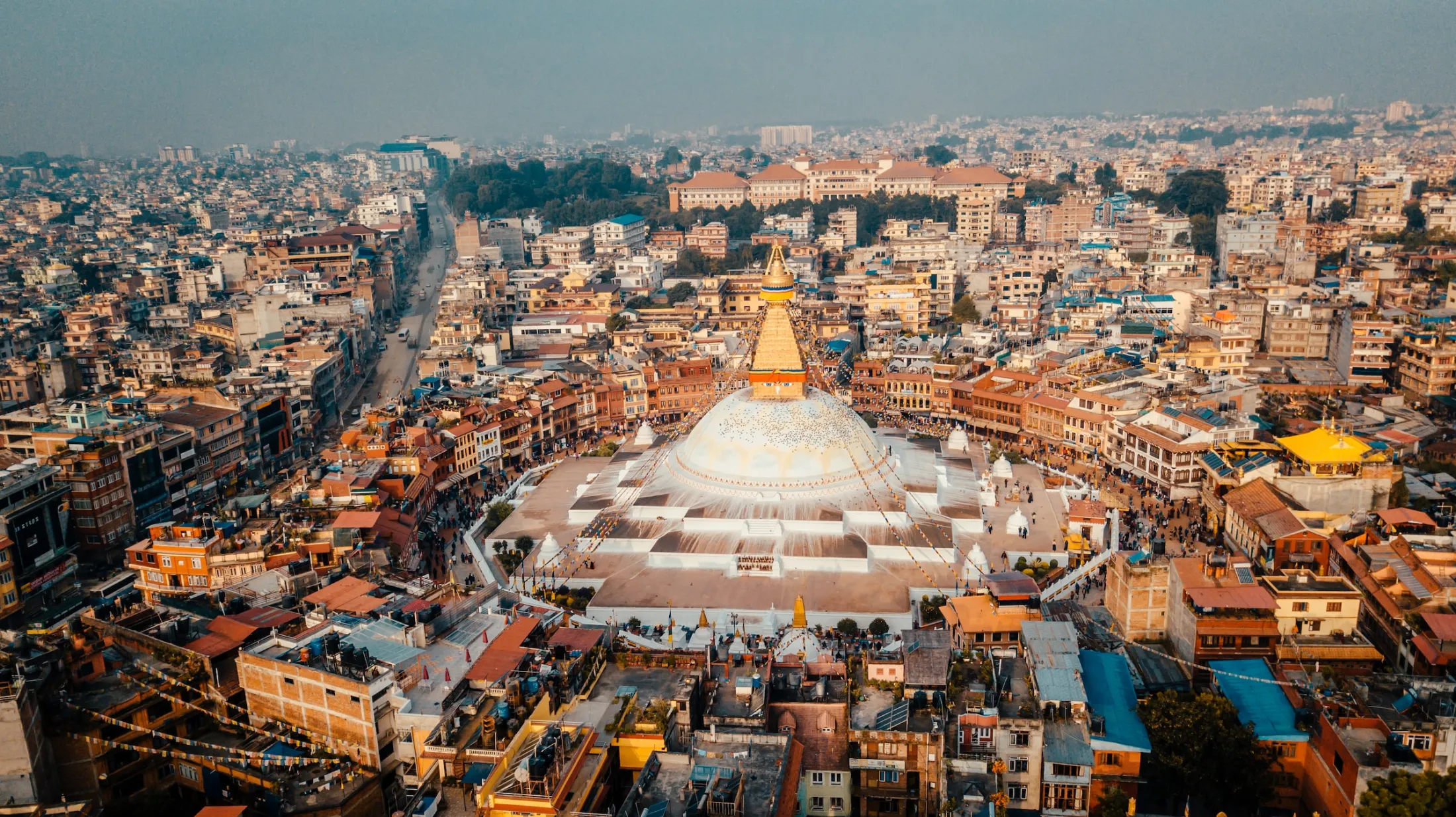
Upon arrival in Kathmandu, we are driven directly to the hotel where we will stay overnight. We check in and take a short rest at the hotel or a stroll in the Thamel district. Kathmandu is a fantastic city to wander around. Here you can feast your senses on impressions, smells, and mystery. After we have gotten lost in the many backstreets and found our way back again, we meet for dinner at a local restaurant.
Upon arrival in Kathmandu, we are driven directly to the hotel where we will stay overnight. We check in and take a short rest at the hotel or a stroll in the Thamel district. Kathmandu is a fantastic city to wander around. Here you can feast your senses on impressions, smells, and mystery. After we have gotten lost in the many backstreets and found our way back again, we meet for dinner at a local restaurant.
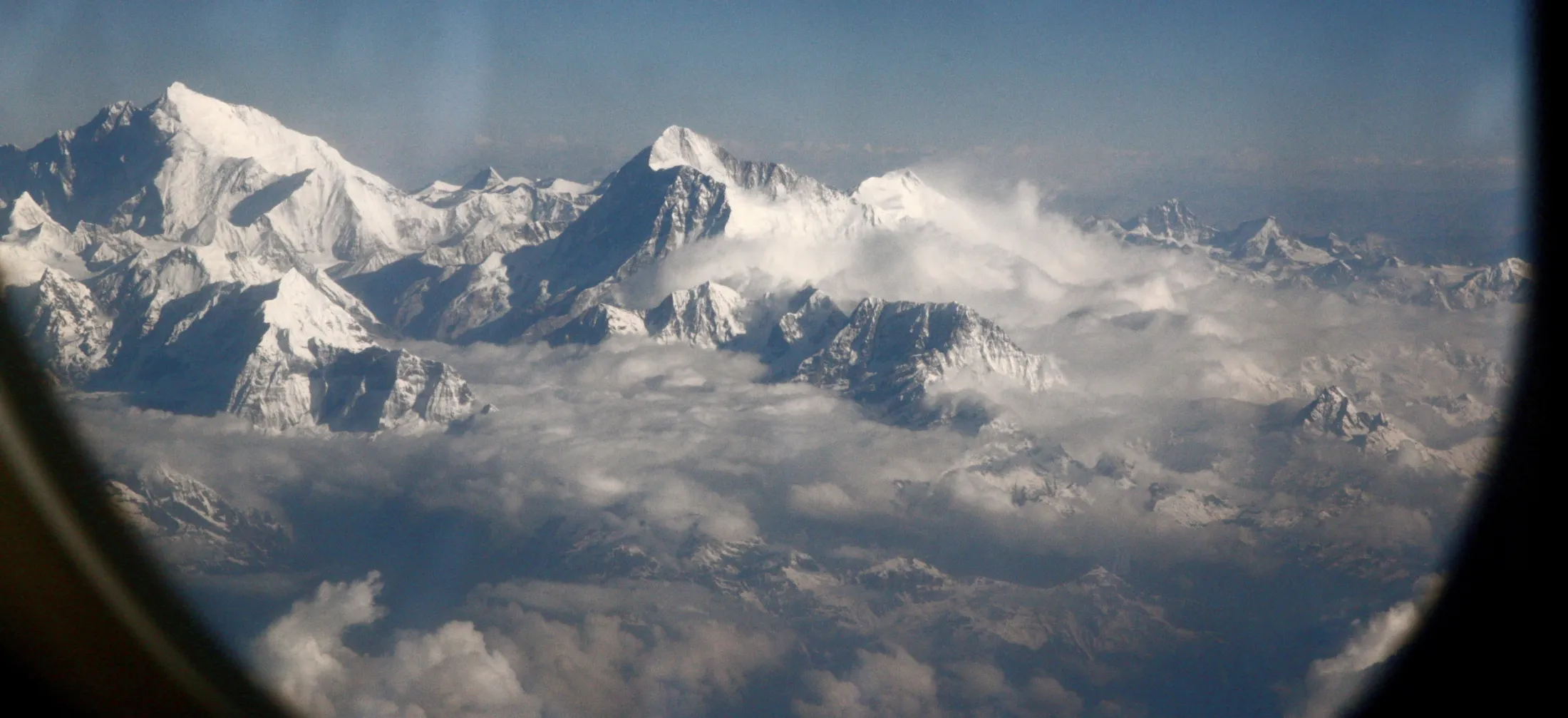
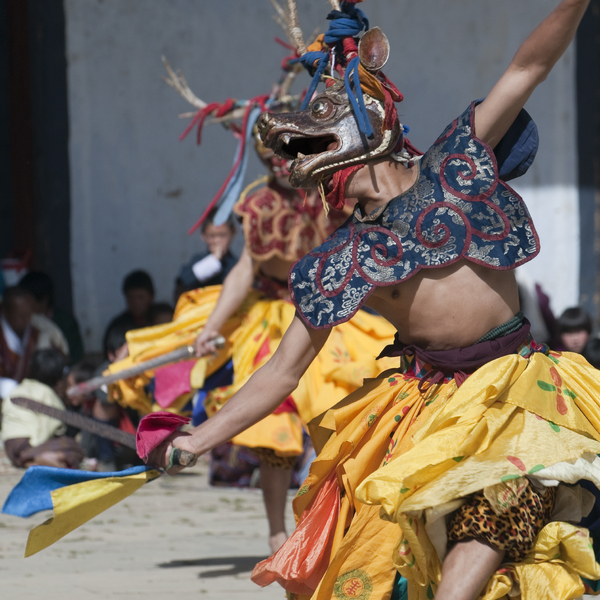
After a short hour-long flight with views of the Himalayas and Mount Everest itself, we arrive in Bhutan and Paro. Here we are greeted by local guides in traditional Bhutanese dresses, who take us to the hotel. We spend the afternoon in the small town of Paro. Here we are also served dinner and get a small glimpse into traditional life in Bhutan. Overnight at a hotel in Paro.
After a short hour-long flight with views of the Himalayas and Mount Everest itself, we arrive in Bhutan and Paro. Here we are greeted by local guides in traditional Bhutanese dresses, who take us to the hotel. We spend the afternoon in the small town of Paro. Here we are also served dinner and get a small glimpse into traditional life in Bhutan. Overnight at a hotel in Paro.
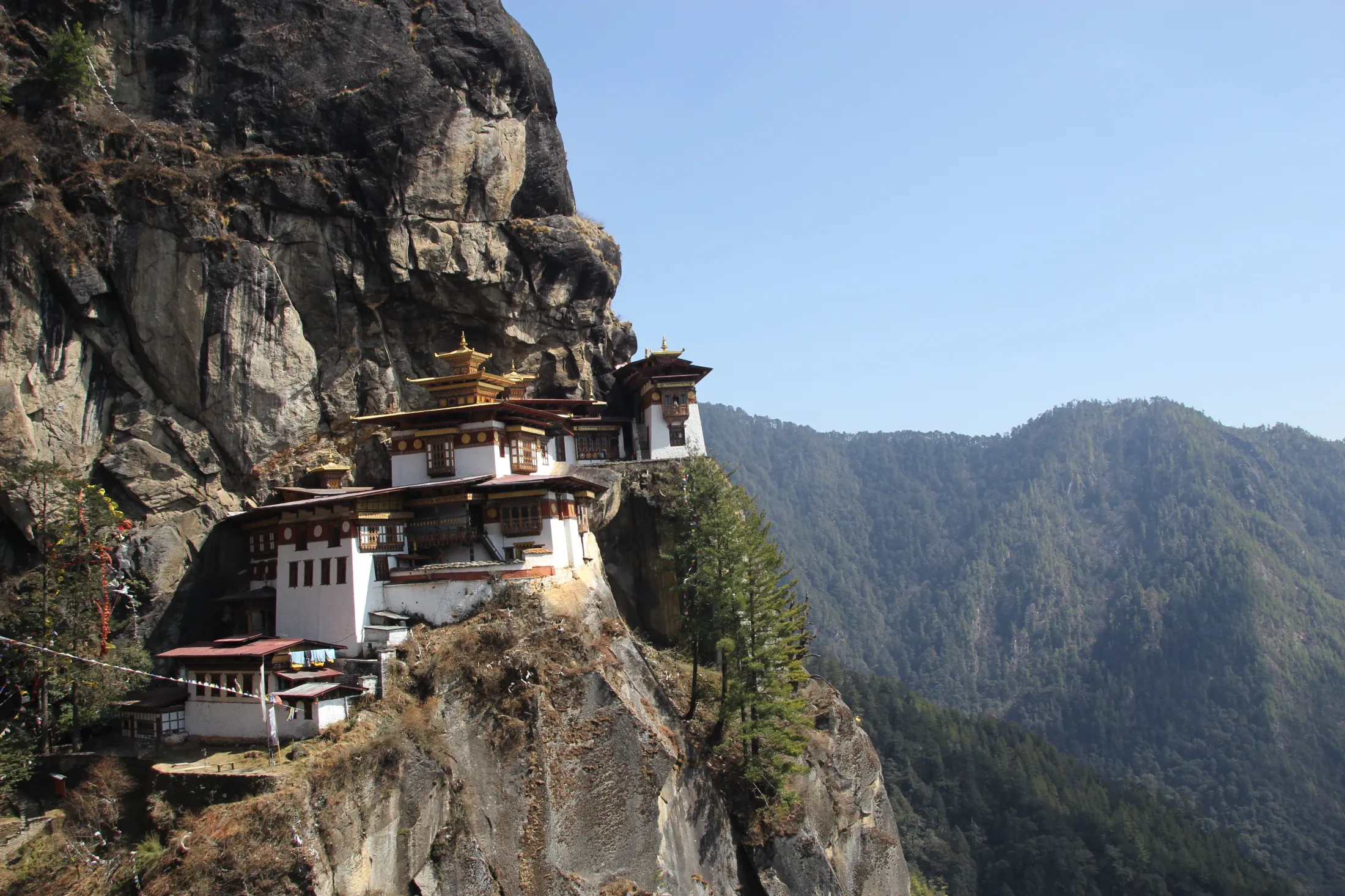
If it is market day in Paro, we spend some time walking around to look and experience the everyday atmosphere at the market. If you like, you can also buy some local snacks. Tiger's Nest, a monastery high up on the mountainside, is today's main goal, and we begin the hiking trip just outside the town. It is not far up to the impressive building, but it is steep, and it takes us a couple of hours before we arrive. Among other things, we have to climb 700 steps before we go 400 down again before we arrive at Tiger's Nest. Here it is also important to walk slowly to start the acclimatization in a good way. At Tiger's Nest we get a guided tour of the monastery and plenty of time to enjoy the view. The location is incredible, and everyone wonders how they thought of building a monastery here, high up on the mountainside. The entire trip takes about six to seven hours, and we are served a packed lunch along the way. Overnight and dinner at a hotel in Paro. In Paro, we recommend taking a traditional "Hot stone bath" after the trip to Tiger's Nest. The hot stone bath is located on a farmhouse, with several small rooms, with 2 "bathtubs" in each room. The water is heated by glowing hot stones! We can guarantee that it is wonderful to lie in a bathtub heated by glowing stones (remember swimwear).
If it is market day in Paro, we spend some time walking around to look and experience the everyday atmosphere at the market. If you like, you can also buy some local snacks. Tiger's Nest, a monastery high up on the mountainside, is today's main goal, and we begin the hiking trip just outside the town. It is not far up to the impressive building, but it is steep, and it takes us a couple of hours before we arrive. Among other things, we have to climb 700 steps before we go 400 down again before we arrive at Tiger's Nest. Here it is also important to walk slowly to start the acclimatization in a good way. At Tiger's Nest we get a guided tour of the monastery and plenty of time to enjoy the view. The location is incredible, and everyone wonders how they thought of building a monastery here, high up on the mountainside. The entire trip takes about six to seven hours, and we are served a packed lunch along the way. Overnight and dinner at a hotel in Paro. In Paro, we recommend taking a traditional "Hot stone bath" after the trip to Tiger's Nest. The hot stone bath is located on a farmhouse, with several small rooms, with 2 "bathtubs" in each room. The water is heated by glowing hot stones! We can guarantee that it is wonderful to lie in a bathtub heated by glowing stones (remember swimwear).
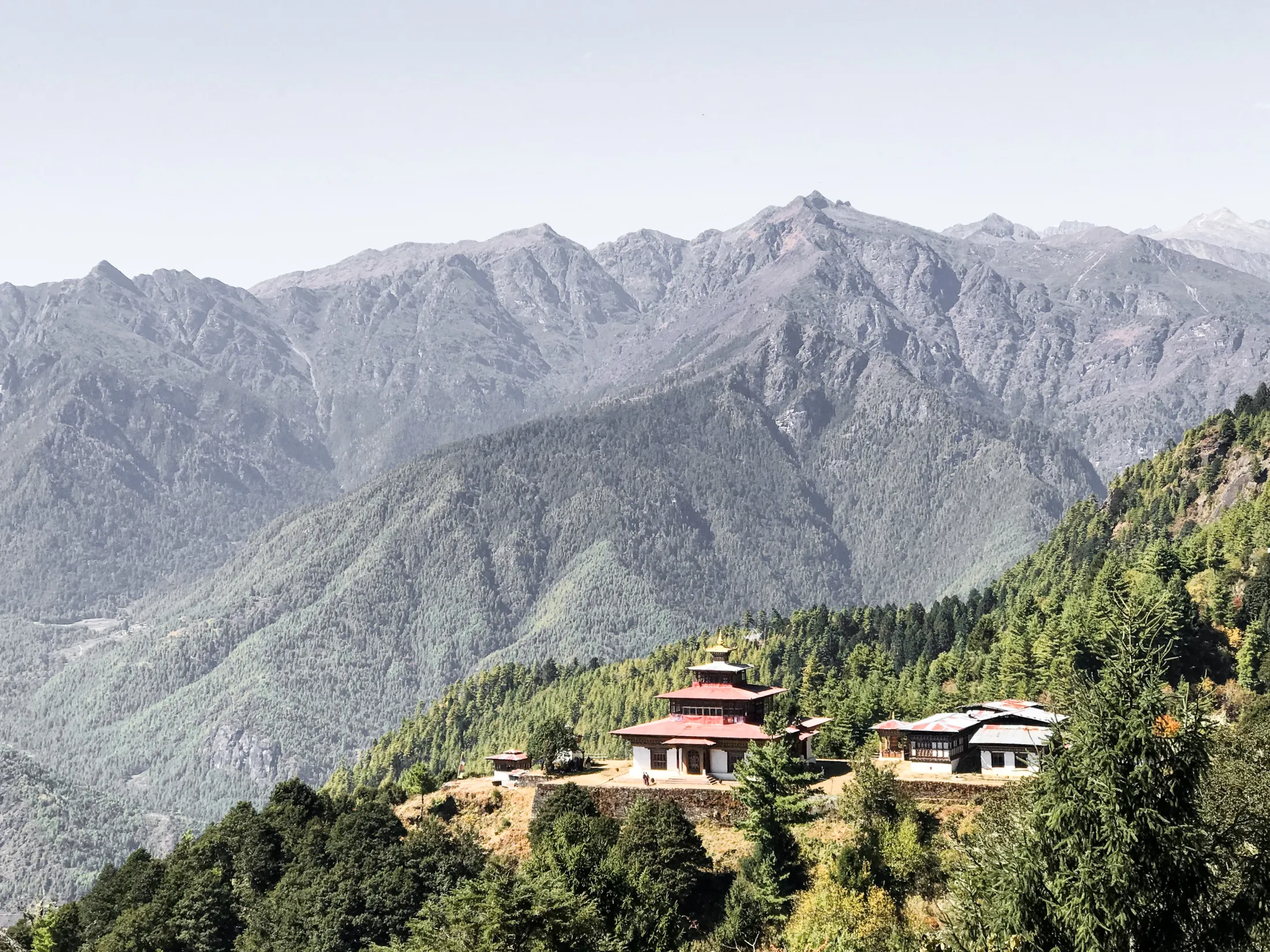
Now we are finally going to start the Druk Path, a hiking trip that lasts for four days. We start early in the day and drive up to the upper side of the National Museum in Paro. From here we start walking, and we will climb over 1,000 vertical meters during the day, so it is important to take it easy and drink plenty of water. Nevertheless, it is not so high that most people can manage this without problems. We follow a road before starting on the trail that leads us up onto the ridge above Paro. We eat lunch later before continuing along the ridge and enjoying the view. After lunch, it is mostly uphill, and when we arrive at the camp located at about 3770 m, most people feel it well in their legs.
Now we are finally going to start the Druk Path, a hiking trip that lasts for four days. We start early in the day and drive up to the upper side of the National Museum in Paro. From here we start walking, and we will climb over 1,000 vertical meters during the day, so it is important to take it easy and drink plenty of water. Nevertheless, it is not so high that most people can manage this without problems. We follow a road before starting on the trail that leads us up onto the ridge above Paro. We eat lunch later before continuing along the ridge and enjoying the view. After lunch, it is mostly uphill, and when we arrive at the camp located at about 3770 m, most people feel it well in their legs.
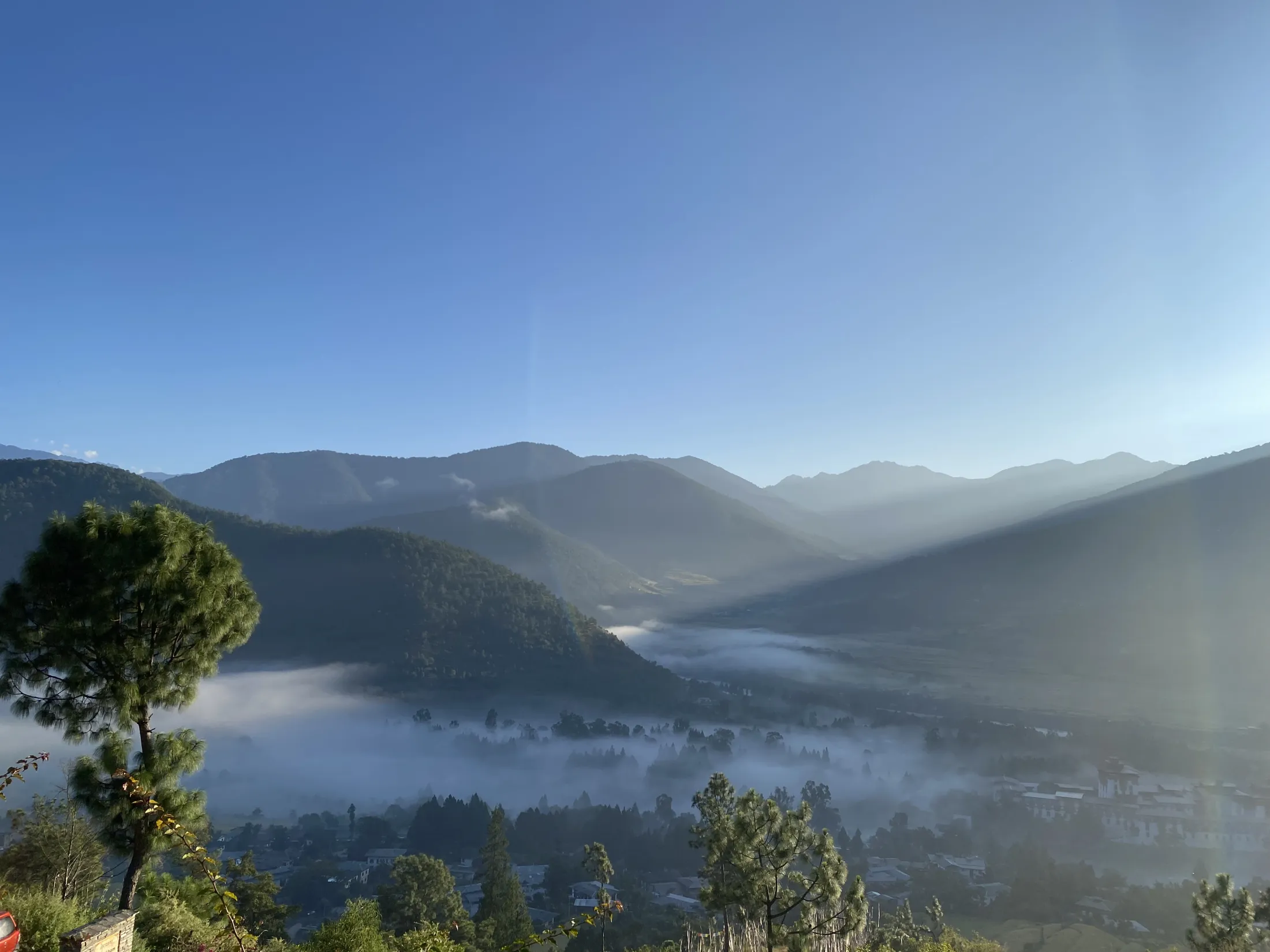
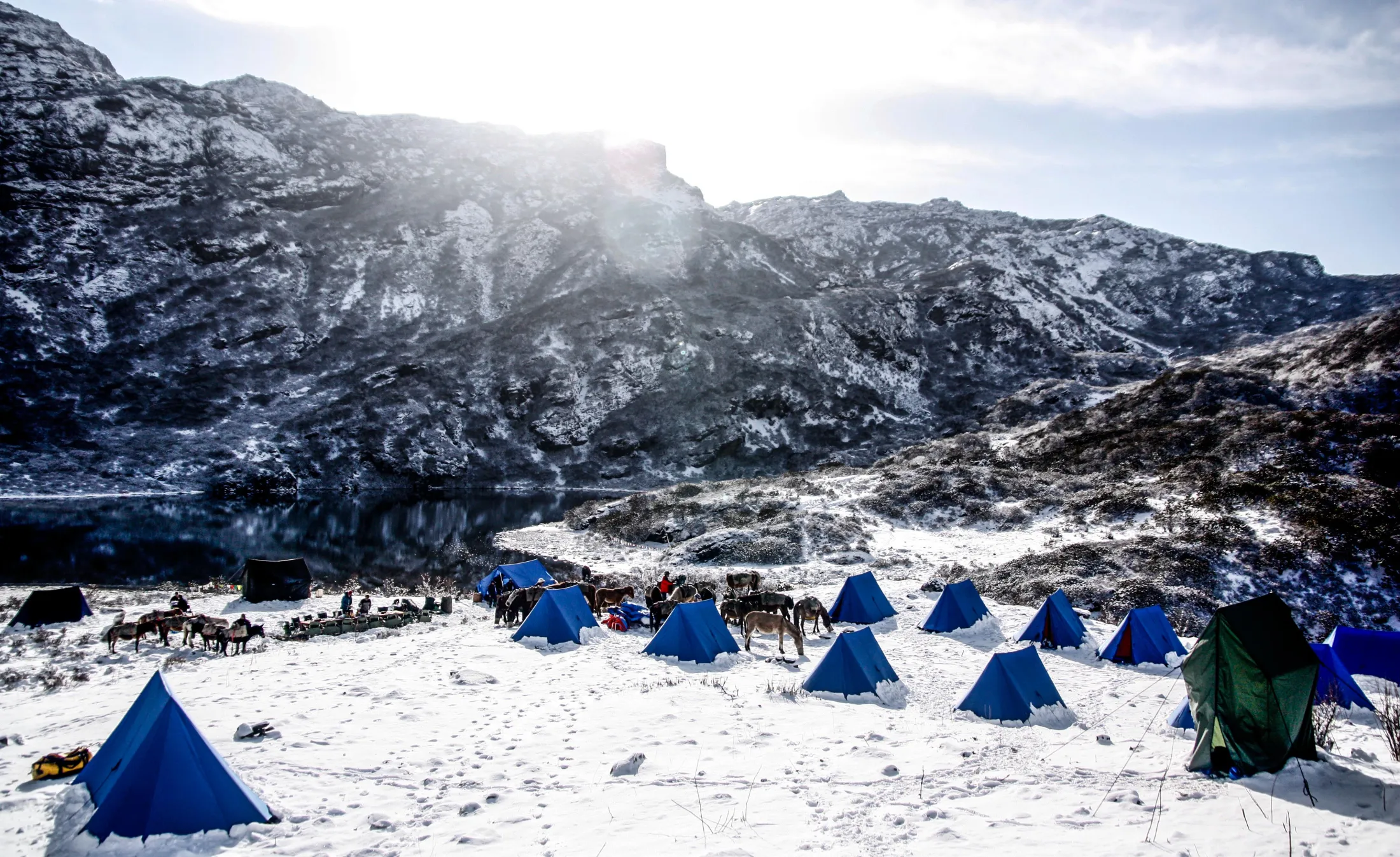
We are woken up in the tent and have a leisurely breakfast. Then the trip continues and we walk down into slightly thicker air before climbing up into the heights again and toward the camp. The camp is located by Jimilang Tsho (3885 m), a lake known for its large trouts. If we are lucky, maybe we will get to see some in the clear water. We arrive at the camp after about 6 - 8 hours of walking and have plenty of time to enjoy the afternoon by the lake. There is a lot of up and down today as well, so have your trekking poles ready to relieve your knees. We eat a nice dinner in camp.
We are woken up in the tent and have a leisurely breakfast. Then the trip continues and we walk down into slightly thicker air before climbing up into the heights again and toward the camp. The camp is located by Jimilang Tsho (3885 m), a lake known for its large trouts. If we are lucky, maybe we will get to see some in the clear water. We arrive at the camp after about 6 - 8 hours of walking and have plenty of time to enjoy the afternoon by the lake. There is a lot of up and down today as well, so have your trekking poles ready to relieve your knees. We eat a nice dinner in camp.
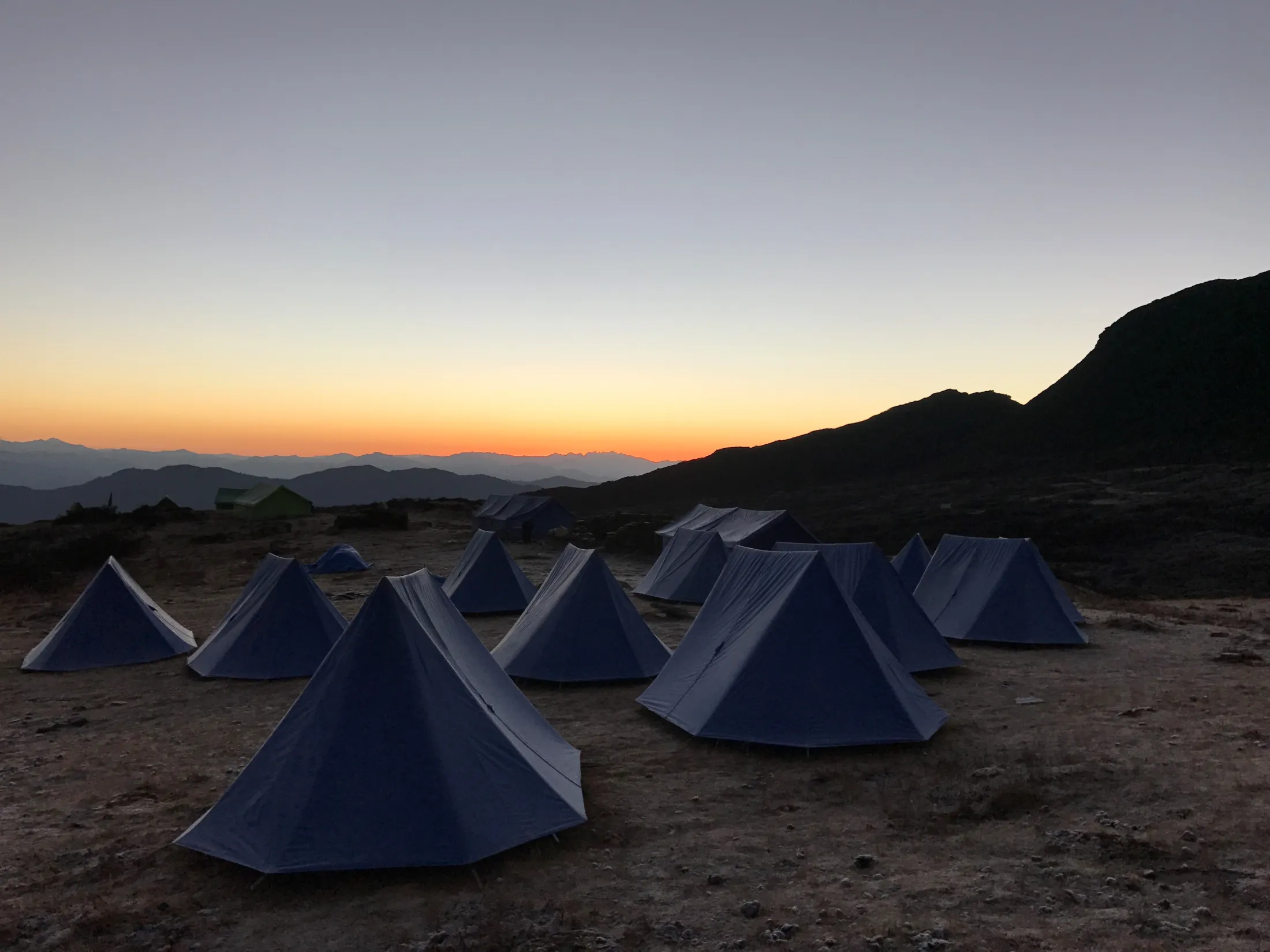
After a delicious breakfast, the trip begins with a climb from the lake to a ridge at about 4200 m. On the way up, we walk through a rhododendron forest with gorgeous yellow flowers if we hit the blooming season. We follow the ridge before heading down toward a camp where we might be lucky and meet some local yak herders. On the way, we pass Bhutan's "Trolltunga", have your camera ready. We camp near some old ruins at about 4100 m and spend about 7 - 9 hours on today's march.
After a delicious breakfast, the trip begins with a climb from the lake to a ridge at about 4200 m. On the way up, we walk through a rhododendron forest with gorgeous yellow flowers if we hit the blooming season. We follow the ridge before heading down toward a camp where we might be lucky and meet some local yak herders. On the way, we pass Bhutan's "Trolltunga", have your camera ready. We camp near some old ruins at about 4100 m and spend about 7 - 9 hours on today's march.
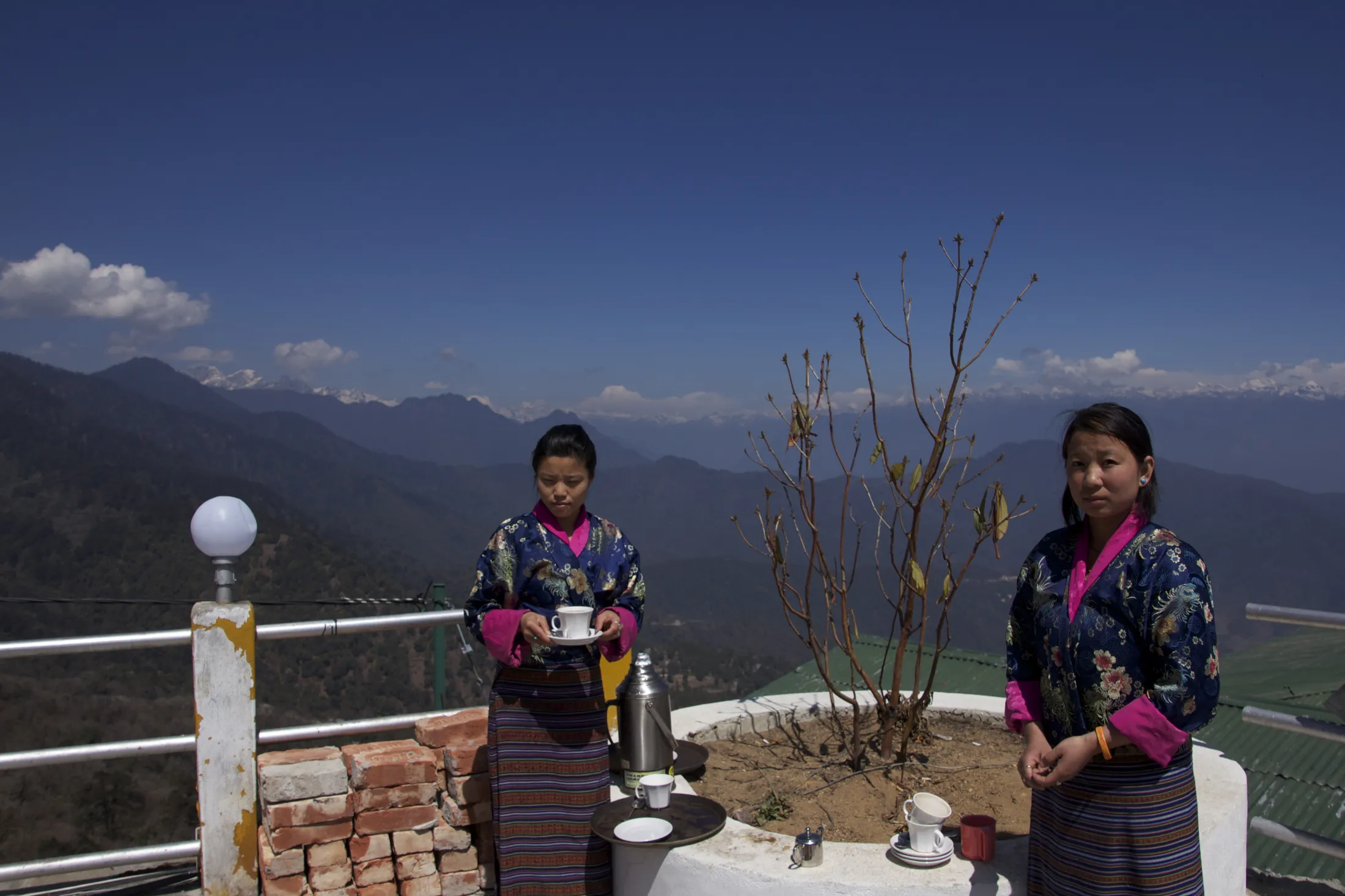
After breakfast, the trip starts with some climbing up toward 4200 m, and if we are lucky with the weather, we will see the entire Himalayas with the highest mountain in Bhutan, Mount Gangkar Puensum, towering in front of us. We continue downward toward the Phadjoding monastery and all the way down through lush pine forest. Down by Thimphu in the afternoon and the rest of the day on your own, whether you want to relax after the trip or stroll around the streets if there is enough time. We stay overnight at a hotel in the center of Thimphu and here we have a good dinner before an early night (for most).
After breakfast, the trip starts with some climbing up toward 4200 m, and if we are lucky with the weather, we will see the entire Himalayas with the highest mountain in Bhutan, Mount Gangkar Puensum, towering in front of us. We continue downward toward the Phadjoding monastery and all the way down through lush pine forest. Down by Thimphu in the afternoon and the rest of the day on your own, whether you want to relax after the trip or stroll around the streets if there is enough time. We stay overnight at a hotel in the center of Thimphu and here we have a good dinner before an early night (for most).
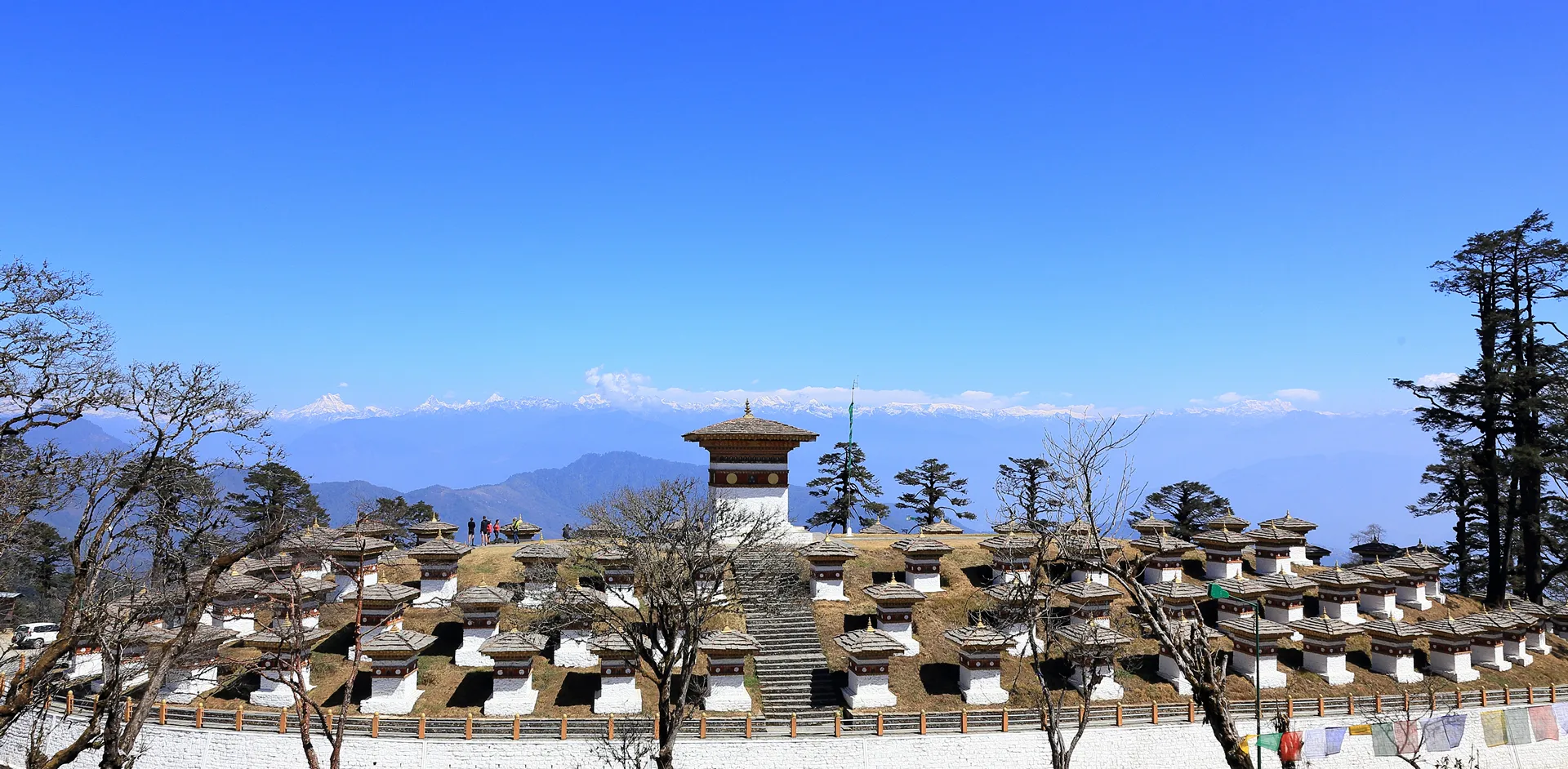
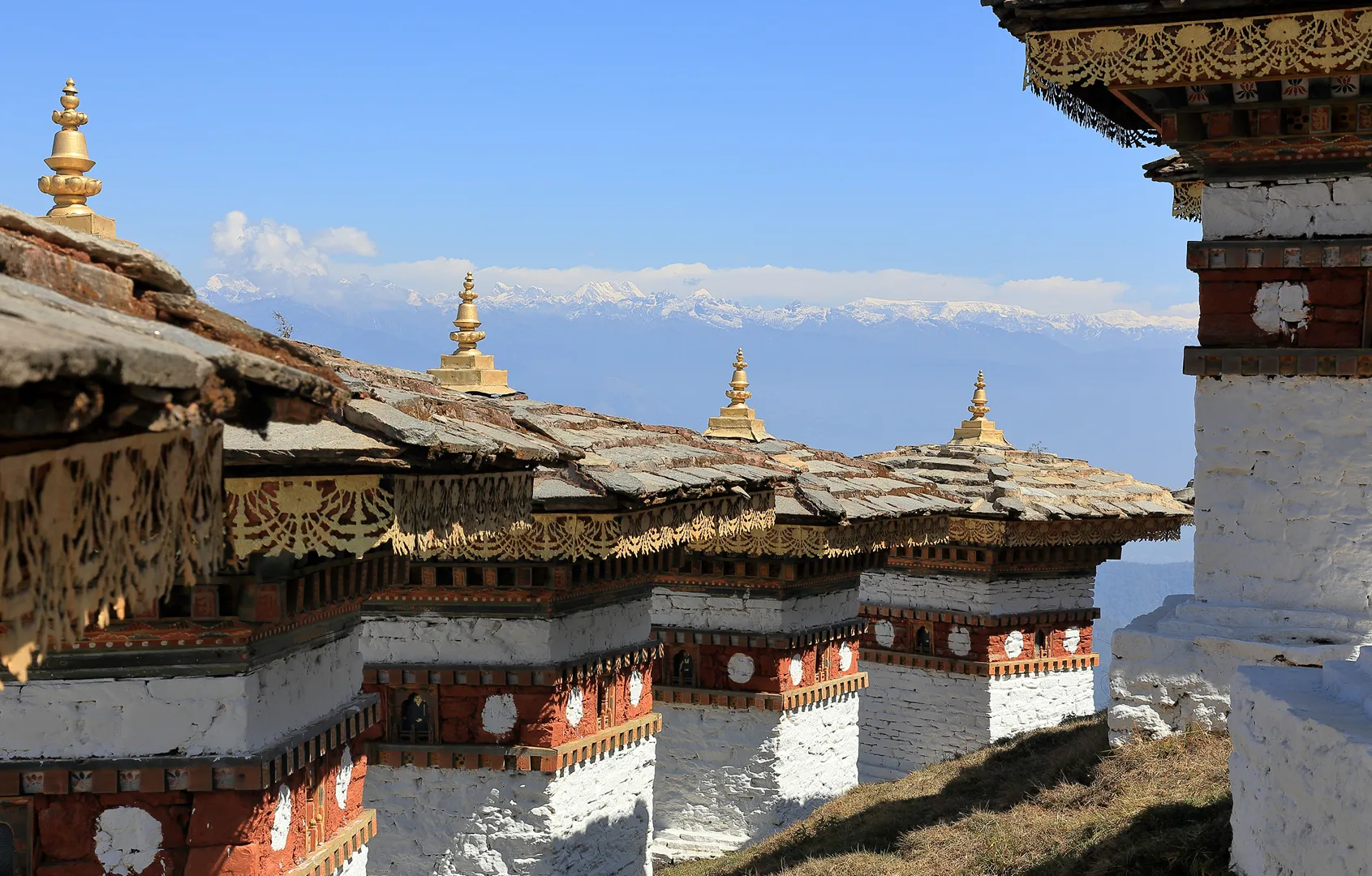
Now we are done with the hiking trip and spend the morning in Thimphu, with a visit to a "Memorial Chorten" and a traditional painting school. We are eventually driven up to the Big Buddha before heading to the old capital Punakha. We stop at Dochula Pass, where there are 108 stupas in memory of fallen soldiers. Then the road goes 1800 vertical meters down on winding roads, all the way down until we reach Punakha. Maybe we have time for one more sight before dinner at the hotel.
Now we are done with the hiking trip and spend the morning in Thimphu, with a visit to a "Memorial Chorten" and a traditional painting school. We are eventually driven up to the Big Buddha before heading to the old capital Punakha. We stop at Dochula Pass, where there are 108 stupas in memory of fallen soldiers. Then the road goes 1800 vertical meters down on winding roads, all the way down until we reach Punakha. Maybe we have time for one more sight before dinner at the hotel.
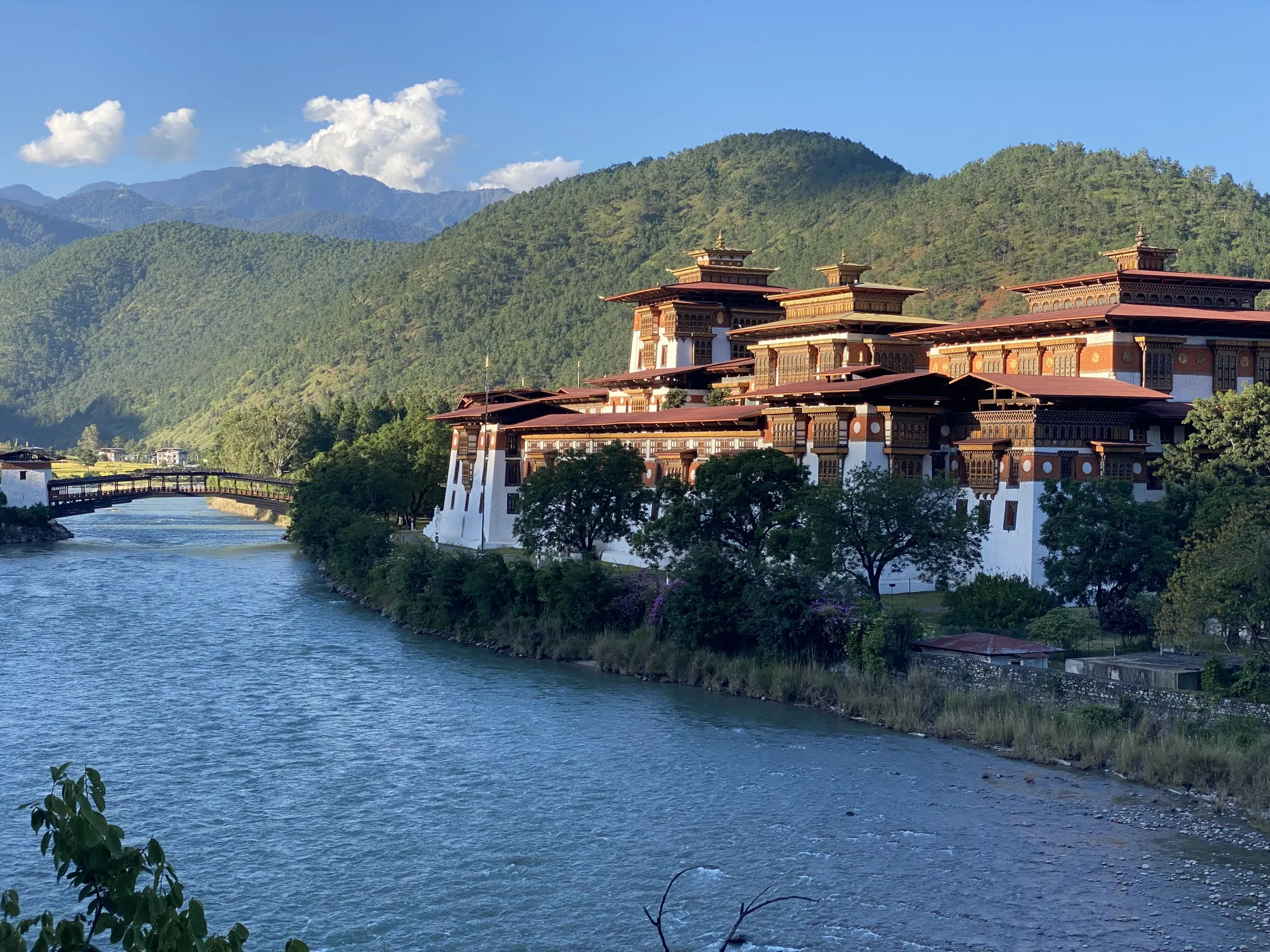
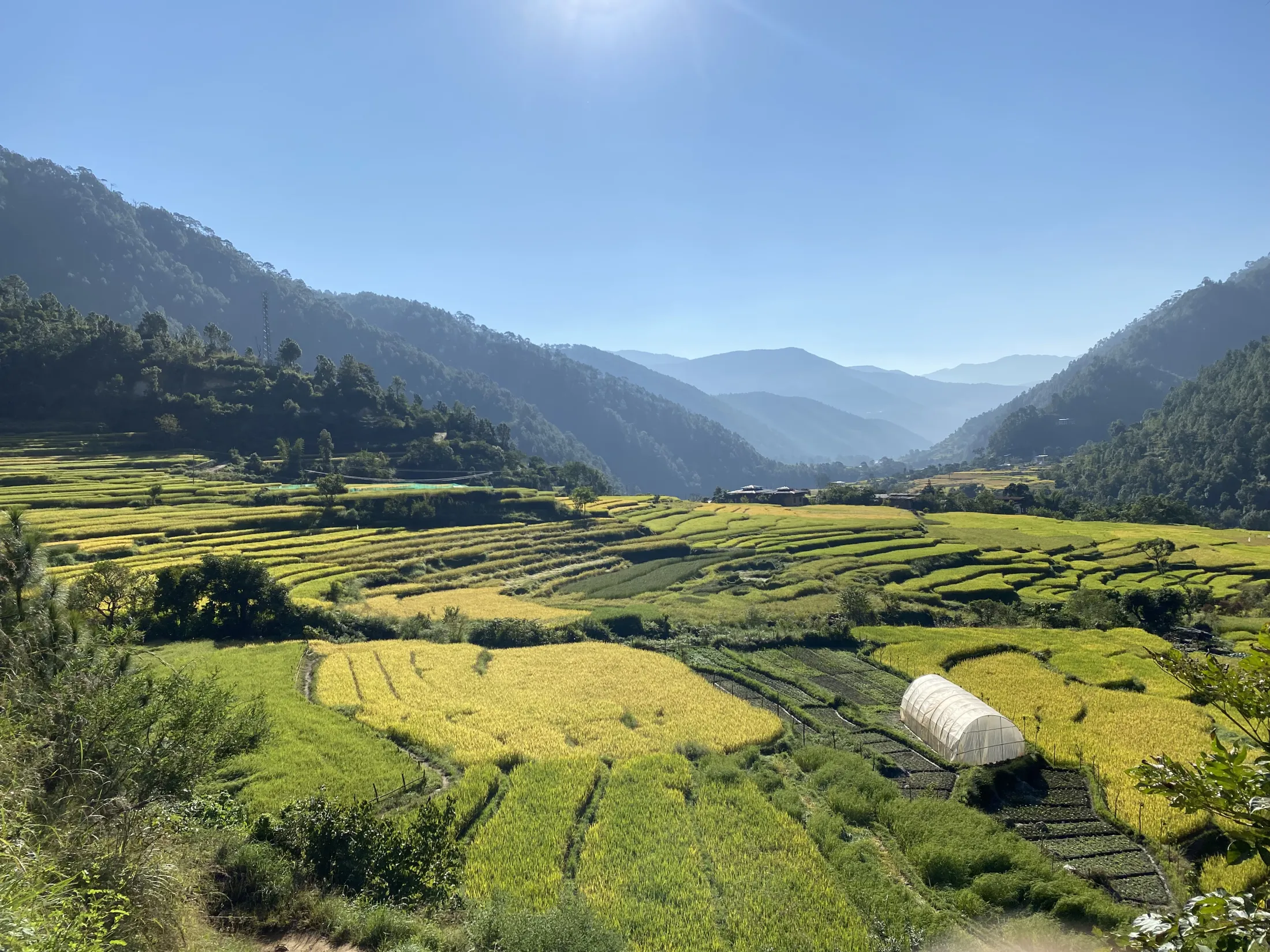
After breakfast, we take a short walk up to the Kamsum Yullen Chorten temple, a great walk upwards with gorgeous views down toward the rice fields. After the trip, we head down toward the Punakha river - two rivers that meet. There is a female river and a male river. Here, those who wish can take a short, easy rafting trip for an extra cost (approx. 150 USD per boat taking 5 people). A fun and for many a welcome change of pace. The others sit by the river and enjoy the view. After rafting, we visit Punakha Dzong - the fortress which is a fantastic structure. After the visit, we head back to Paro for a nice farewell dinner.
After breakfast, we take a short walk up to the Kamsum Yullen Chorten temple, a great walk upwards with gorgeous views down toward the rice fields. After the trip, we head down toward the Punakha river - two rivers that meet. There is a female river and a male river. Here, those who wish can take a short, easy rafting trip for an extra cost (approx. 150 USD per boat taking 5 people). A fun and for many a welcome change of pace. The others sit by the river and enjoy the view. After rafting, we visit Punakha Dzong - the fortress which is a fantastic structure. After the visit, we head back to Paro for a nice farewell dinner.
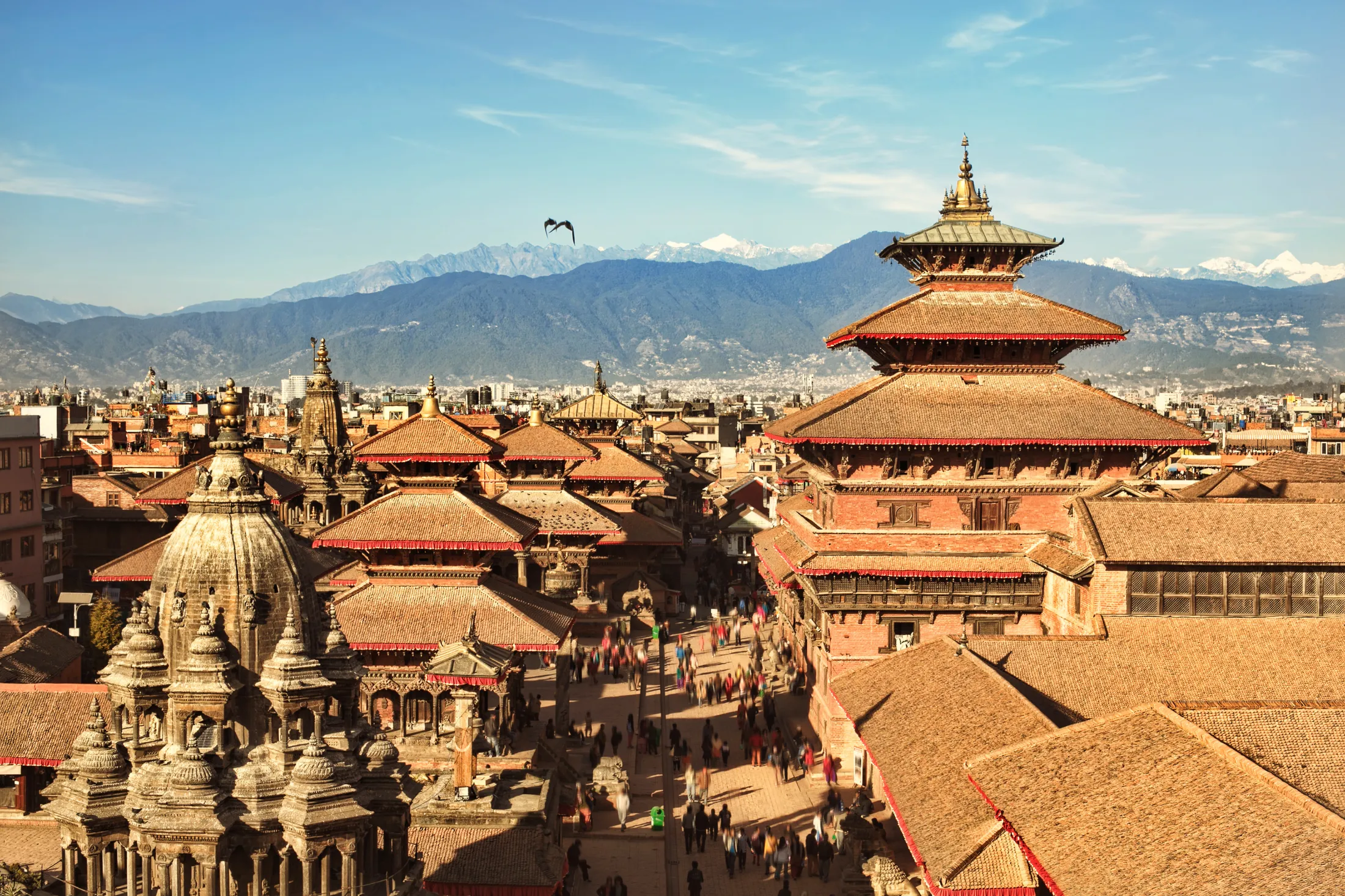
We fly over the Himalayas to Kathmandu and arrive during the morning/afternoon. The day here is planned according to individual wishes, some choose to spend the last part of their holiday budget in some of the small shops in Thamel, but we have also made it possible to visit some of Kathmandu's cultural and historical highlights; Boudhanath stupa and Pashupatinath temple for those who want to see this. Overnight at a centrally located hotel in Thamel, and a nice closing dinner tonight.
We fly over the Himalayas to Kathmandu and arrive during the morning/afternoon. The day here is planned according to individual wishes, some choose to spend the last part of their holiday budget in some of the small shops in Thamel, but we have also made it possible to visit some of Kathmandu's cultural and historical highlights; Boudhanath stupa and Pashupatinath temple for those who want to see this. Overnight at a centrally located hotel in Thamel, and a nice closing dinner tonight.
After a final breakfast in Kathmandu, we are driven to the airport for the flight home.
After a final breakfast in Kathmandu, we are driven to the airport for the flight home.
If we need to have a lay-over on our way back home, this will be the arrival day.
If we need to have a lay-over on our way back home, this will be the arrival day.
We meet at Gardermoen, greet the rest of the group, and head toward Kathmandu.
Upon arrival in Kathmandu, we are driven directly to the hotel where we will stay overnight. We check in and take a short rest at the hotel or a stroll in the Thamel district. Kathmandu is a fantastic city to wander around. Here you can feast your senses on impressions, smells, and mystery. After we have gotten lost in the many backstreets and found our way back again, we meet for dinner at a local restaurant.
After a short hour-long flight with views of the Himalayas and Mount Everest itself, we arrive in Bhutan and Paro. Here we are greeted by local guides in traditional Bhutanese dresses, who take us to the hotel. We spend the afternoon in the small town of Paro. Here we are also served dinner and get a small glimpse into traditional life in Bhutan. Overnight at a hotel in Paro.
If it is market day in Paro, we spend some time walking around to look and experience the everyday atmosphere at the market. If you like, you can also buy some local snacks. Tiger's Nest, a monastery high up on the mountainside, is today's main goal, and we begin the hiking trip just outside the town. It is not far up to the impressive building, but it is steep, and it takes us a couple of hours before we arrive. Among other things, we have to climb 700 steps before we go 400 down again before we arrive at Tiger's Nest. Here it is also important to walk slowly to start the acclimatization in a good way. At Tiger's Nest we get a guided tour of the monastery and plenty of time to enjoy the view. The location is incredible, and everyone wonders how they thought of building a monastery here, high up on the mountainside. The entire trip takes about six to seven hours, and we are served a packed lunch along the way. Overnight and dinner at a hotel in Paro. In Paro, we recommend taking a traditional "Hot stone bath" after the trip to Tiger's Nest. The hot stone bath is located on a farmhouse, with several small rooms, with 2 "bathtubs" in each room. The water is heated by glowing hot stones! We can guarantee that it is wonderful to lie in a bathtub heated by glowing stones (remember swimwear).
Now we are finally going to start the Druk Path, a hiking trip that lasts for four days. We start early in the day and drive up to the upper side of the National Museum in Paro. From here we start walking, and we will climb over 1,000 vertical meters during the day, so it is important to take it easy and drink plenty of water. Nevertheless, it is not so high that most people can manage this without problems. We follow a road before starting on the trail that leads us up onto the ridge above Paro. We eat lunch later before continuing along the ridge and enjoying the view. After lunch, it is mostly uphill, and when we arrive at the camp located at about 3770 m, most people feel it well in their legs.
We are woken up in the tent and have a leisurely breakfast. Then the trip continues and we walk down into slightly thicker air before climbing up into the heights again and toward the camp. The camp is located by Jimilang Tsho (3885 m), a lake known for its large trouts. If we are lucky, maybe we will get to see some in the clear water. We arrive at the camp after about 6 - 8 hours of walking and have plenty of time to enjoy the afternoon by the lake. There is a lot of up and down today as well, so have your trekking poles ready to relieve your knees. We eat a nice dinner in camp.
After a delicious breakfast, the trip begins with a climb from the lake to a ridge at about 4200 m. On the way up, we walk through a rhododendron forest with gorgeous yellow flowers if we hit the blooming season. We follow the ridge before heading down toward a camp where we might be lucky and meet some local yak herders. On the way, we pass Bhutan's "Trolltunga", have your camera ready. We camp near some old ruins at about 4100 m and spend about 7 - 9 hours on today's march.
After breakfast, the trip starts with some climbing up toward 4200 m, and if we are lucky with the weather, we will see the entire Himalayas with the highest mountain in Bhutan, Mount Gangkar Puensum, towering in front of us. We continue downward toward the Phadjoding monastery and all the way down through lush pine forest. Down by Thimphu in the afternoon and the rest of the day on your own, whether you want to relax after the trip or stroll around the streets if there is enough time. We stay overnight at a hotel in the center of Thimphu and here we have a good dinner before an early night (for most).
Now we are done with the hiking trip and spend the morning in Thimphu, with a visit to a "Memorial Chorten" and a traditional painting school. We are eventually driven up to the Big Buddha before heading to the old capital Punakha. We stop at Dochula Pass, where there are 108 stupas in memory of fallen soldiers. Then the road goes 1800 vertical meters down on winding roads, all the way down until we reach Punakha. Maybe we have time for one more sight before dinner at the hotel.
After breakfast, we take a short walk up to the Kamsum Yullen Chorten temple, a great walk upwards with gorgeous views down toward the rice fields. After the trip, we head down toward the Punakha river - two rivers that meet. There is a female river and a male river. Here, those who wish can take a short, easy rafting trip for an extra cost (approx. 150 USD per boat taking 5 people). A fun and for many a welcome change of pace. The others sit by the river and enjoy the view. After rafting, we visit Punakha Dzong - the fortress which is a fantastic structure. After the visit, we head back to Paro for a nice farewell dinner.
We fly over the Himalayas to Kathmandu and arrive during the morning/afternoon. The day here is planned according to individual wishes, some choose to spend the last part of their holiday budget in some of the small shops in Thamel, but we have also made it possible to visit some of Kathmandu's cultural and historical highlights; Boudhanath stupa and Pashupatinath temple for those who want to see this. Overnight at a centrally located hotel in Thamel, and a nice closing dinner tonight.
After a final breakfast in Kathmandu, we are driven to the airport for the flight home.
If we need to have a lay-over on our way back home, this will be the arrival day.
Roundtrip Oslo - Kathmandu and roundtrip Kathmandu - Paro (Bhutan).
Norwegian-speaking guide on programs with Norwegian language.
English-speaking local guides.
All transportation as specified in the program.
In shared double room/tent. Accommodation at tourist-class hotels in Kathmandu and the city in Bhutan, two-person tent on mountain trip. In shared double room at airport hotel in Istanbul.
Meals as specified in the program.
Activities and permits as specified in the program.
For trips where flights are not included, please check our website to confirm that the departure is guaranteed before booking your own plane tickets. For each trip, we require a minimum number of confirmed participants before the departure can be guaranteed.
Visa to Bhutan is included and arranged by Norrøna Adventure. Visa to Nepal must be ordered online in advance. Payment for visa to Nepal is still made at the airport in Kathmandu and must be paid in cash. Have the exact amount ready upon arrival.
To local guides and assistants. Tips are a common and expected part of being a tourist in many of the destinations we visit. These are given in cash during the trip and therefore cannot be included in the trip price.
Available upon request, limited quantities.
Request quotes from other cities in Norway.
Costs 25 USD per person.
We reserve the right to change prices. The day by day program is indicative and changes may occur. We also refer to our general travel conditions.
On all our trips, we require you to have full travel and accident insurance, which must also cover potential medical repatriation. Read more about travel insurance.


For departures with Norrøna Adventure guides:
On our trips, it is important to understand that we often will be traveling far off the beaten track. We will, of course, do everything we can to assist if anything should happen, but a potential rescue operation can be demanding. It is therefore extremely important that all participants arrive well-prepared and ready to handle unforeseen situations.
Some segments of the journey may prove challenging. It's essential to possess a solid level of fitness prior to departure. Persistence will be required in reaching the trip's goal.
We overnight in tents. We are usually served food, but may have to contribute with cooking on certain occasions.
Activities/trips with some risk. Certain incidents may occur, and they may be of such a nature that they may require professional help.
This trip is suitable for most people in generally good physical condition. We’ll be hiking in the mountains for a total of five days (including the trip to Tiger’s Nest). On a couple of days, you can expect to hike for up to 8–9 hours with significant elevation gain and loss, but we’ll take our time and enjoy the daily hikes. The remaining stages are shorter.
Throughout the hike, our guides focus on ensuring a fun experience and a sense of accomplishment, so even though the uphill sections may occasionally seem a bit long, we have plenty of time along the way to enjoy the beautiful scenery, our own achievements, and each other’s company. This trek goes up to 4300 m, so you’ll definitely feel the altitude. The temperature is pleasant during the day, but the evenings get chilly. We have excellent local helpers with us who make sure that life in the tents is very comfortable.
Before embarking on our journey together, we kindly remind all trip participants to check their respective country's visa status and vaccination requirements. Ensuring your travel documents are in order is a crucial step in guaranteeing a smooth and hassle-free adventure.
Norwegian citizens need a valid visa for Bhutan and Nepal and a passport valid for at least 6 months after their return date. See also the current entry and visa regulations at the Ministry of Foreign Affairs’ country pages.
Norrøna Adventure arranges visas to Bhutan for all participants. You must apply for a visa to Nepal online before departure. This costs 30 USD (as of 2023) and must be paid in cash upon arrival in Kathmandu. You apply for a 15-day visa, which is also valid for the return trip via Nepal.
If you are over 67 years old, you should have a thorough medical check-up before your trip. Make your doctor aware that this is a trip involving physical exertion and moving off the beaten track.
It is important that you complete all parts of the registration form (especially where we ask for information about health and allergies), and let us know if there is anything we need to be aware of prior to and during the trip. Relevant health information that may affect the trip should also be communicated to the guide at the start of the trip. *Note* - If you are on regular medication, have known allergies or anything similar, you must always bring your personal medication with you.
See the overview on FHI´s pages on travel health advice. For vaccination and guidance, please contact Sentrum Reisemedisin: Reisemedisin.no.
For trips where flights are not included, please check our website to confirm that the departure is guaranteed before booking your own plane tickets. For each trip, we require a minimum number of confirmed participants before the departure can be guaranteed.
In Kathmandu and in the cities of Bhutan, we stay in twin rooms at charming hotels. During the mountain trek, we stay in double tents.
Spring and fall are the best times of year to travel to Bhutan and Nepal. In Bhutan, it’s cold in the spring and fall, and because there’s more rainfall here than in Nepal, the landscape is green and lush. The average temperature in the country is 12 degrees, so be sure to pack warm clothes. We’ll mostly be walking on well-maintained trails, and if we’re lucky, we’ll experience the stunning spring blooms (on the spring trip).
It is not always easy to get hold of gluten-free wholemeal bread, lactose-free alternatives or to accommodate other food preferences. If you have any allergies, please let us know in the registration form and we will try to accommodate you as best we can. However, we would still recommend that anyone with special dietary needs bring some alternatives in the form of, for example, a packet of crispbread, energy bars or similar that you know you can eat. This is generally a good idea on a mountain hike where we’ll be walking for many hours, and where lunch isn’t always as filling as it is here in Norway.
This list is intended as a guideline, so that we have what we need regardless of the weather we get on the trip. Remember that you can also get used outdoor equipment that works perfectly. Get in touch if you have any questions. TIP: We recommend that you have the most important equipment in your hand luggage, for example hiking boots and gore-tex jacket/trousers.
We recommend wool underwear for both men and women. Wool sportstop is recommended for women. A boxershorts with windstopper is recommended for cold days.
2 sets of top and bottom. Not too thick, instead use multiple layers.
Wool, 2-3 paris.
2-3 pairs. Wool or synthetic material.
We recommend thin wool.
Fleece or wool.
Down or synthetic insulation, featuring a hood and ideally long enough to cover the butt.
Gore-Tex or similar. Must have a decent hood, and hold out wind and rain. Should have space for midlayers underneath. Ventilation under the arms is recommended.
Gore-Tex or similar. Must hold out wind and rain. Ventilation zippers along the legs is recommended.
Thick, wool.
The overmittens should be roomy and extend well up the forearm. They should be windproof and ideally handle some moisture. They need to provide a good grip, even with the inner mittens inside. The inner mittens should be thick and warm, preferably made of wool.
Solid hiking boots with extra room for warm socks.
Avoid bringing a suitcase, they are more difficult to transport between hotels.
Needs to have space for everything you want to bring on the hikes.
Comfort temperature down to -10 degrees (C).
Light. Have to be foldable or telescope.
Remember new/extra batteries.
A solid pair, with dark glass.
Personal medicines and, for example, band-aids, blister plaster, sports tape, throat lozenges, nasal drops, Paracetamol/Ibuprofen, stomach regulators, etc.
We need to know about all medicines you are taking, in case something happens.
Tooth brush, tooth paste, small towel, ear plugs, wet wipes, biodegradable soap, etc.
High SPF, 30-50. Remember chapstick for lips and nose.
Toilet paper, antibac, and waste bags for the paper. Remember leave no trace.
Passport, tickets, bank card, proof of vaccination andproof of insurance. Remember to have a copy of important documents on your phone and/or somewhere in your bag.
2-3 litre bottles, with an insulation cover, so they dont freeze. Practical if they can handle hot water. For example Nalgene bottles with wide mouth.
In case of a short rain shower.
Solid, with a solid sole. Such as approaches shoes.
Inflatable, for extra comfort.
Nuts, chocolate, energy bars, etc.
During the time we’re traveling, temperatures can range from about 5 to over 20 degrees. Generally speaking, it’s quite a bit warmer in the lowlands than at higher elevations. You should therefore bring warm clothing for the trek so you don’t get cold at camp or at night. During the hike itself, temperatures may drop as low as -10 degrees.
If you get motion sickness easily, we also recommend bringing motion sickness pills.
We’ll be provided with sleeping pads in the tents, but many people still choose to bring a thin sleeping pad of their own.
Pack in a duffel bag, not a suitcase. This is both because it’s easier to pack during transport stages and because the sherpas cannot carry wheeled suitcases up into the mountains.
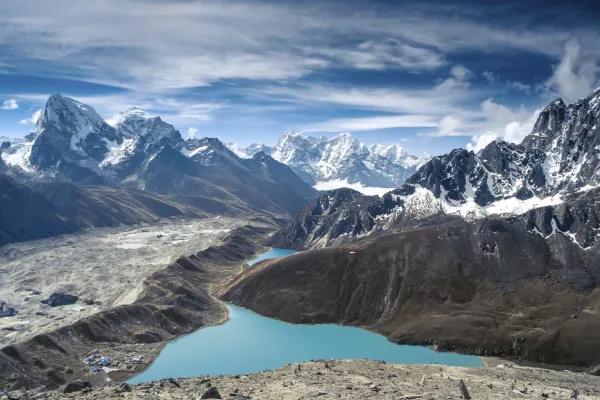
With one of the best viewpoints of Mount Everest
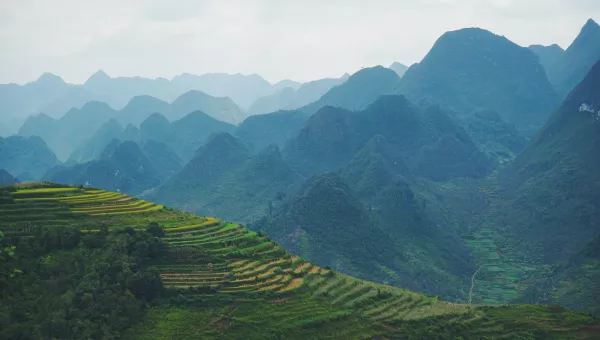
Journey Through the Roof of Indochina & the Tonkinese Alps
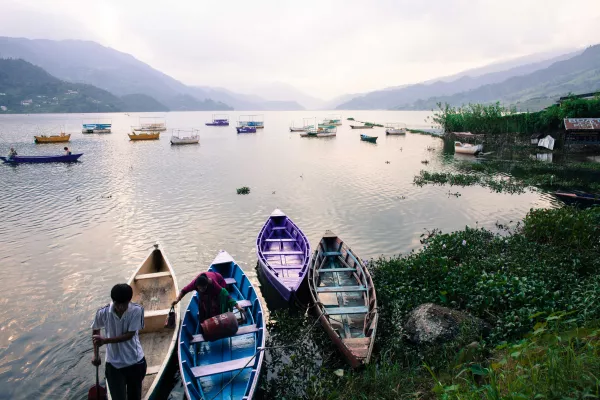
One of the most beautiful treks in the world!
Fantastic trip!
– Ester, 2022