“Wait, Where did you say? Bhutan?” “Yes, the country that measures Gross National Product (GNP) in happiness.” “Oh, that country, yes! I’ve heard of that.”
In 1972, the King of Bhutan declared that "Gross National Happiness" was more important than "Gross National Product." Since then, they have developed a happiness-measuring system now used in many parts of the world. Bhutan has largely been shaped by this approach to measuring prosperity, while a deep-rooted Buddhist faith has formed these serene, warm-hearted people living high up in the mountains of the eastern Himalayas.
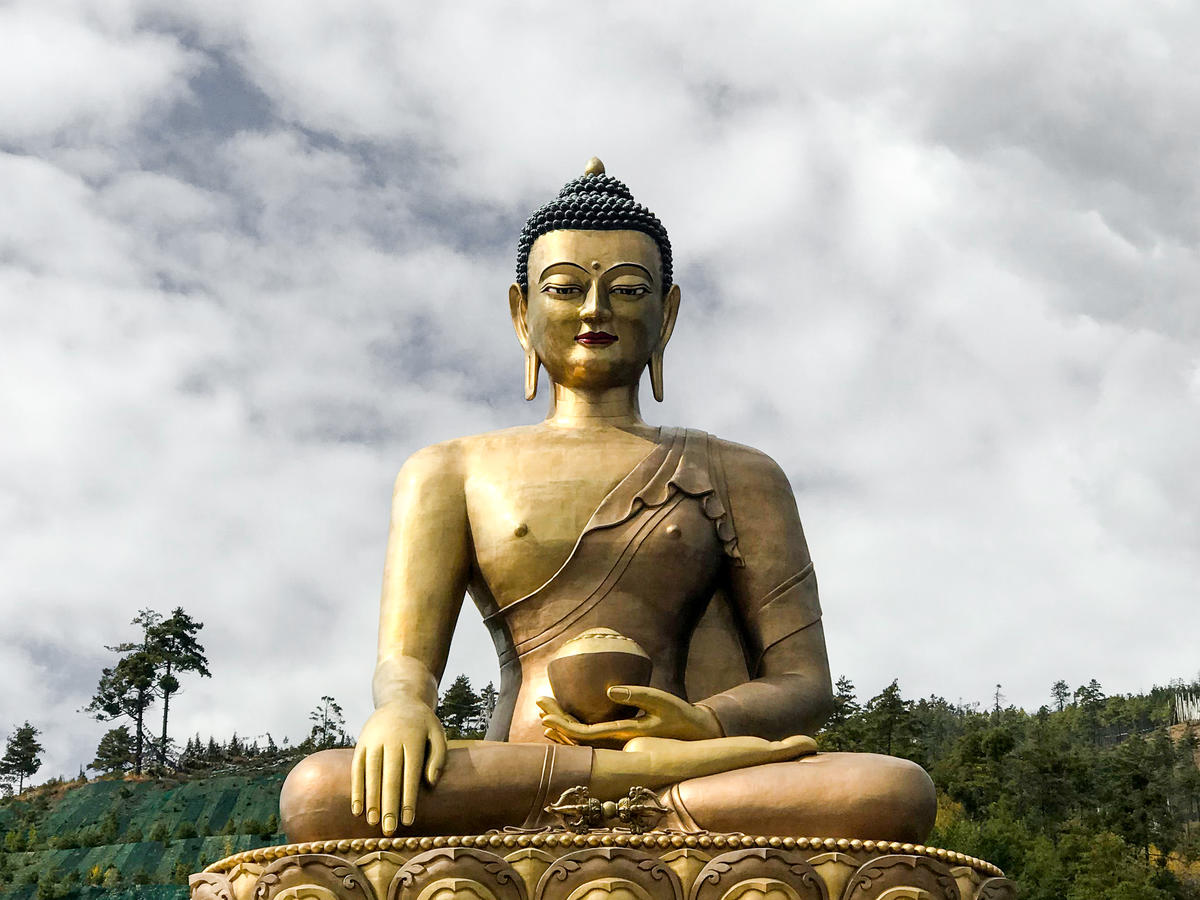
You feel it the moment you land at the airport in Paro. After a flight and final approach that is worth the trip alone if you’re lucky enough to get a view of the Himalayas. Here, Buddha sits welcoming us as if from the Garden of Eden. A distinct sense of tranquility settles over you upon arrival, a stark contrast to the charmingly chaotic Kathmandu we had just come from.
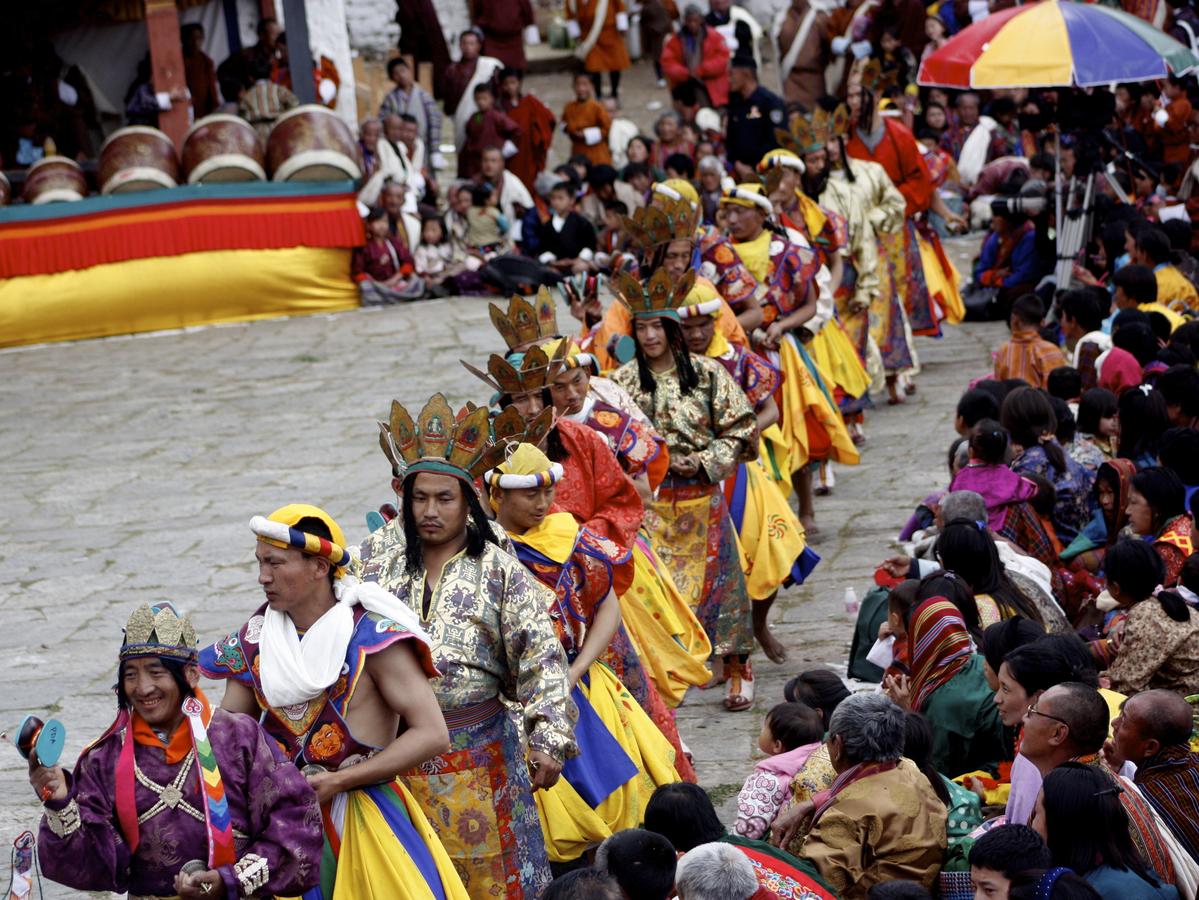
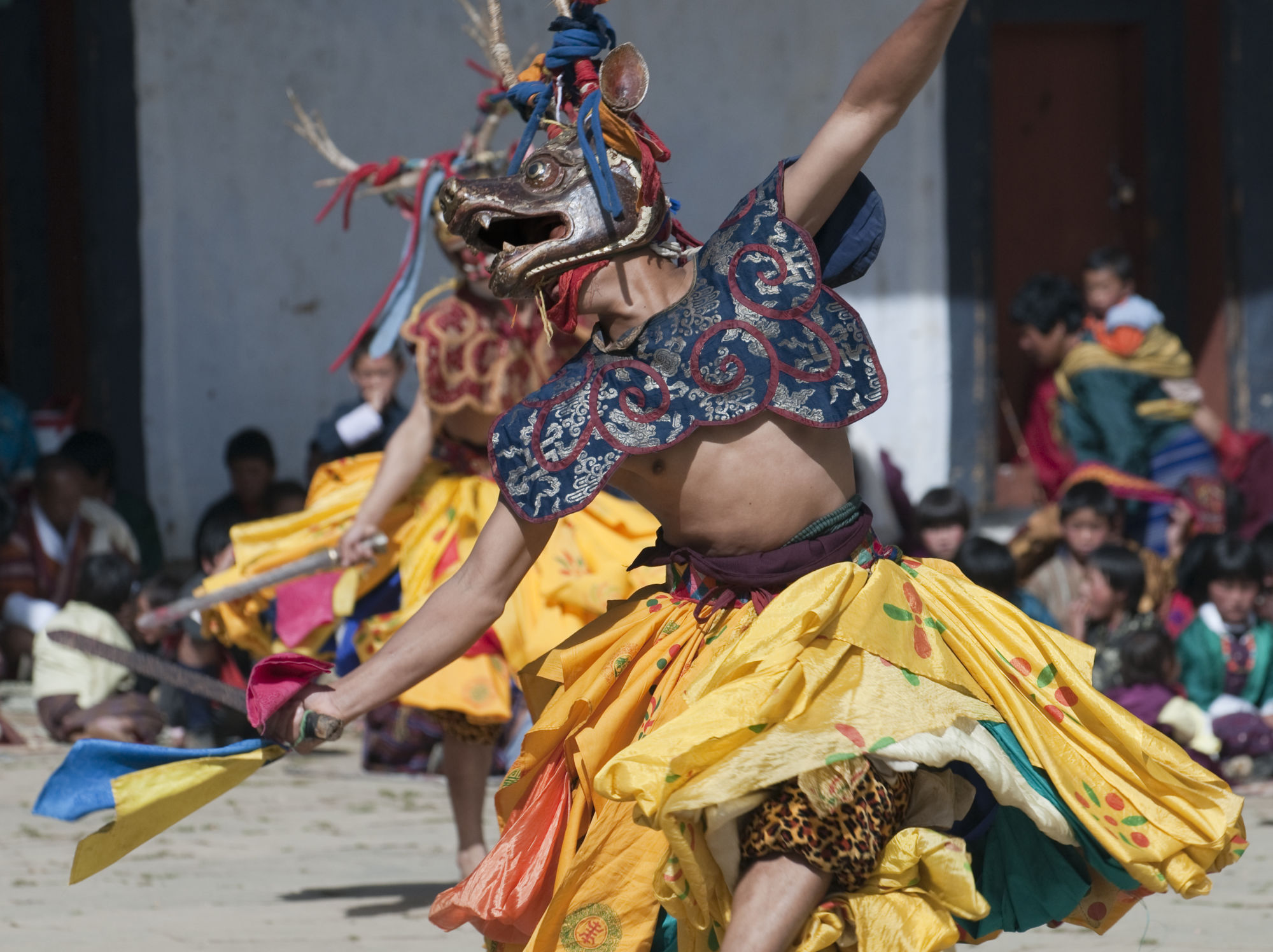
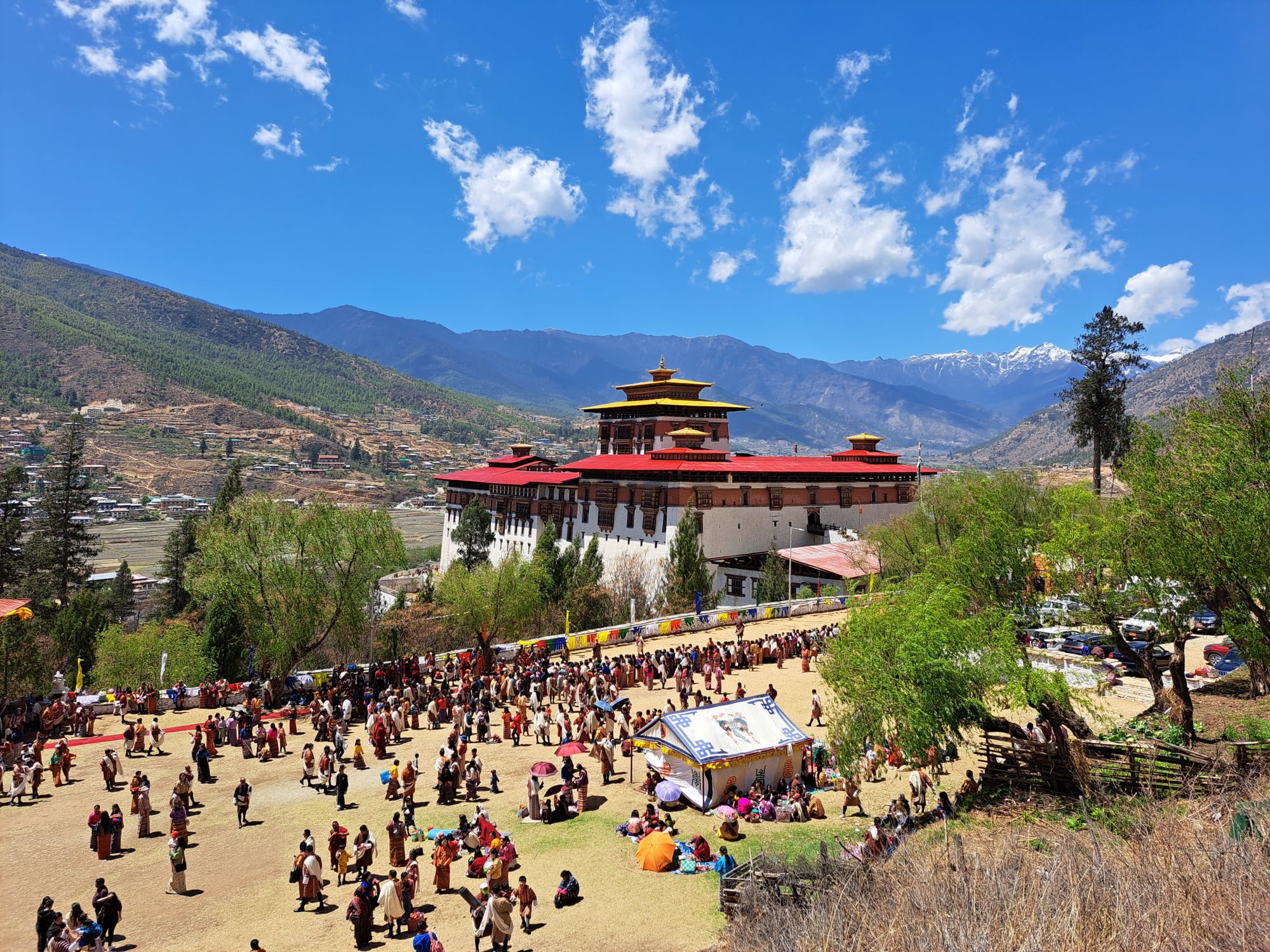
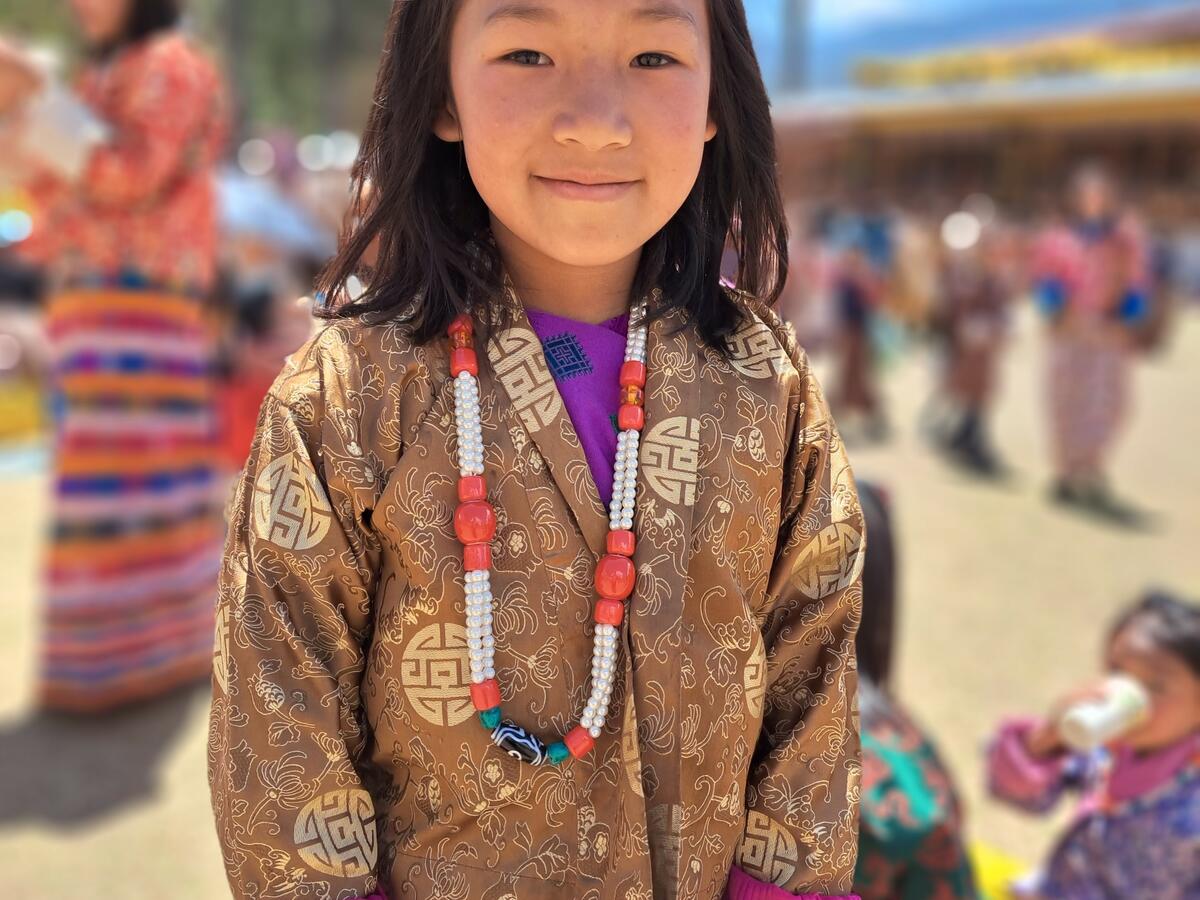
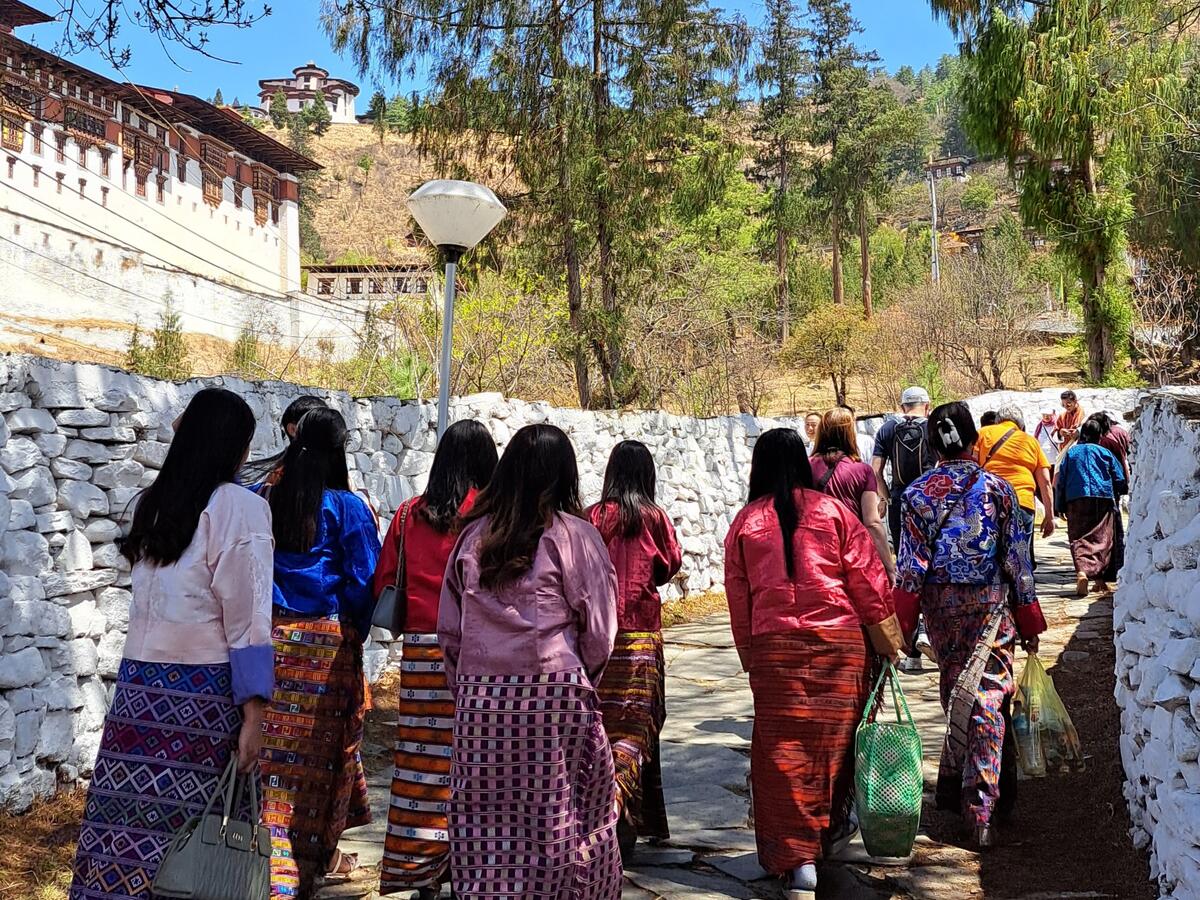
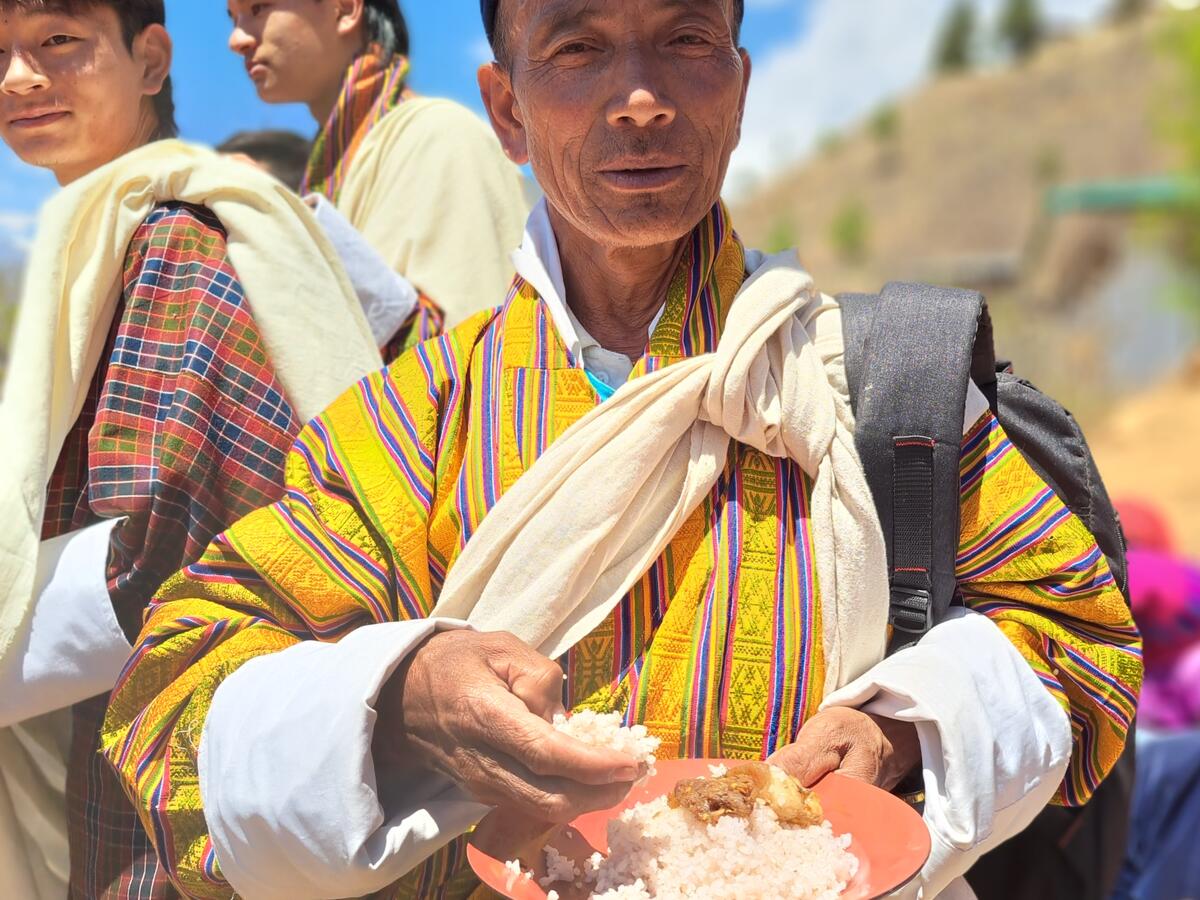
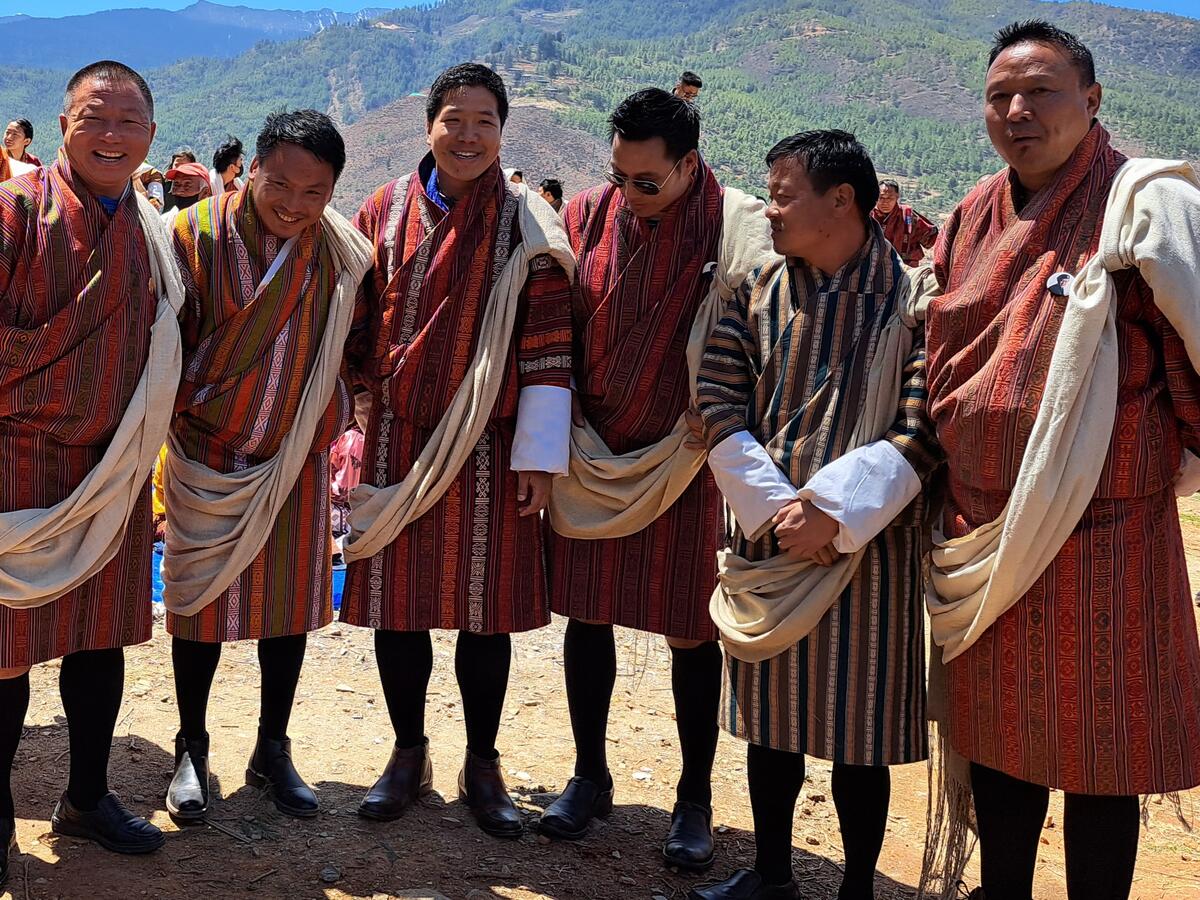
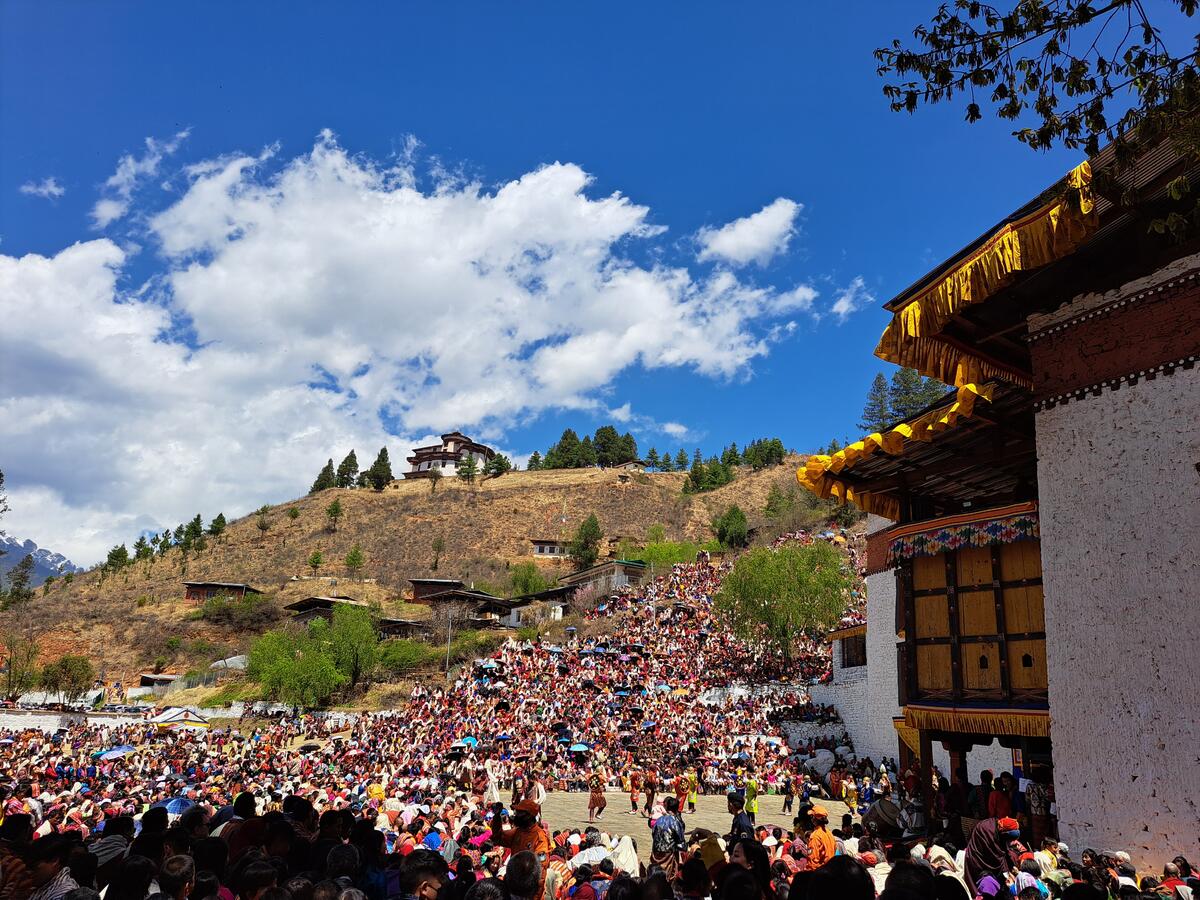
We are in luck: it’s festival season in Paro. Every town holds different festivals throughout the year, and now it’s Paro’s turn. Lucky for us, we head straight from the airport to a local festival for the locals. On this day, colorful traditional dress is worn by young and old alike, and picnic baskets are brought along. Everyone gathers here for song and dance to worship the gods and keep demons at bay. Even the Queen arrives on a red carpet, one of the four queens married to the fourth king. Rumor has it he had to accept all the sisters as a package deal to get his chosen bride's "I do." This king remains deeply meaningful to the people, even though the throne now belongs to the fifth king.
The people at the festival are friendly, curious, and eager to interact with us. “Hi,” says a girl of about 10. “Can I take a picture of you?” she asks in fluent English, holding a smartphone just as nice as mine. Wait, wasn't that supposed to be my line? I wonder with a smile. She got a picture of me, and I got mine.
Deeply Rooted in Buddhism
Bhutan controls and limits tourism by charging a substantial daily fee. This fee goes exclusively toward education and healthcare, which gives us a good feeling. On top of that, it feels wonderful to be present in a country where people proudly share their customs and daily life with us. It feels special to experience an authentic land that hasn’t yet been adapted solely for tourists.
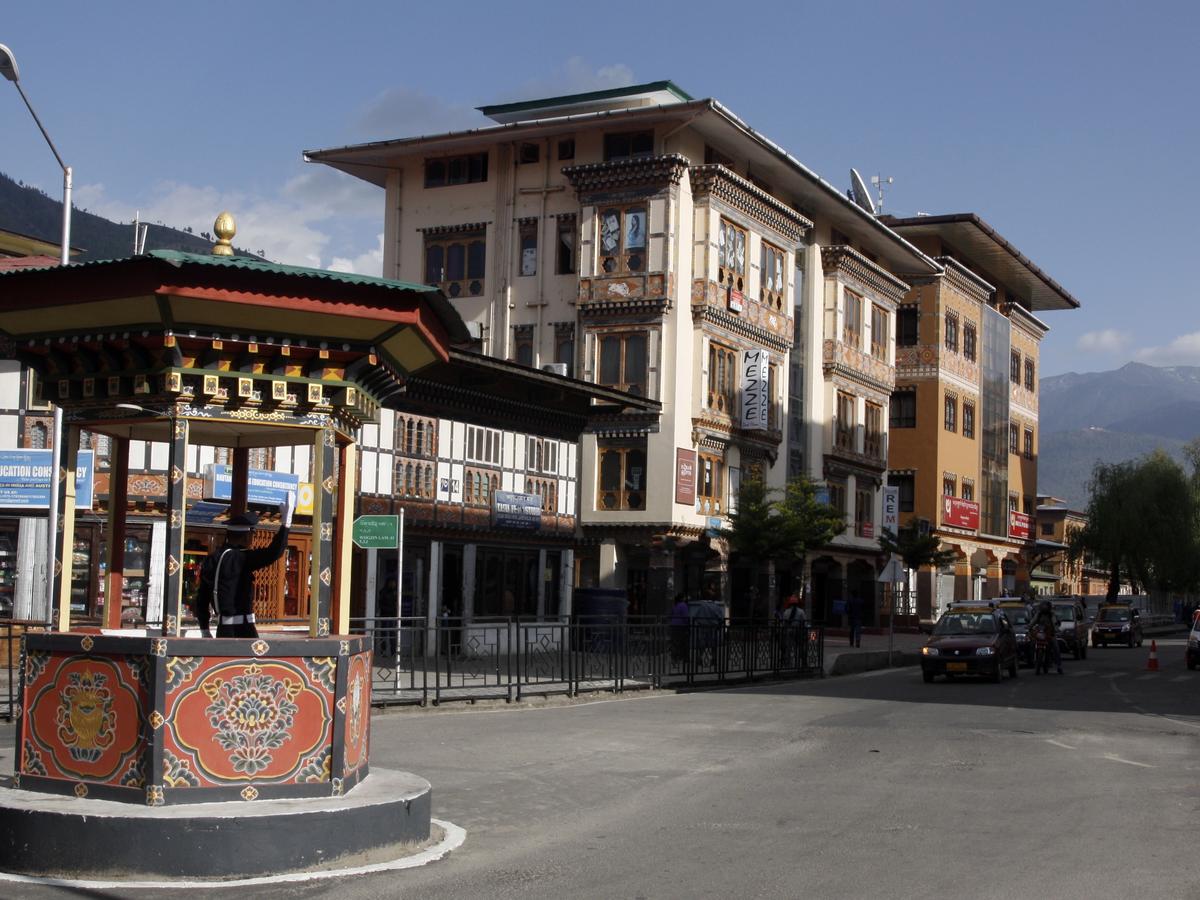
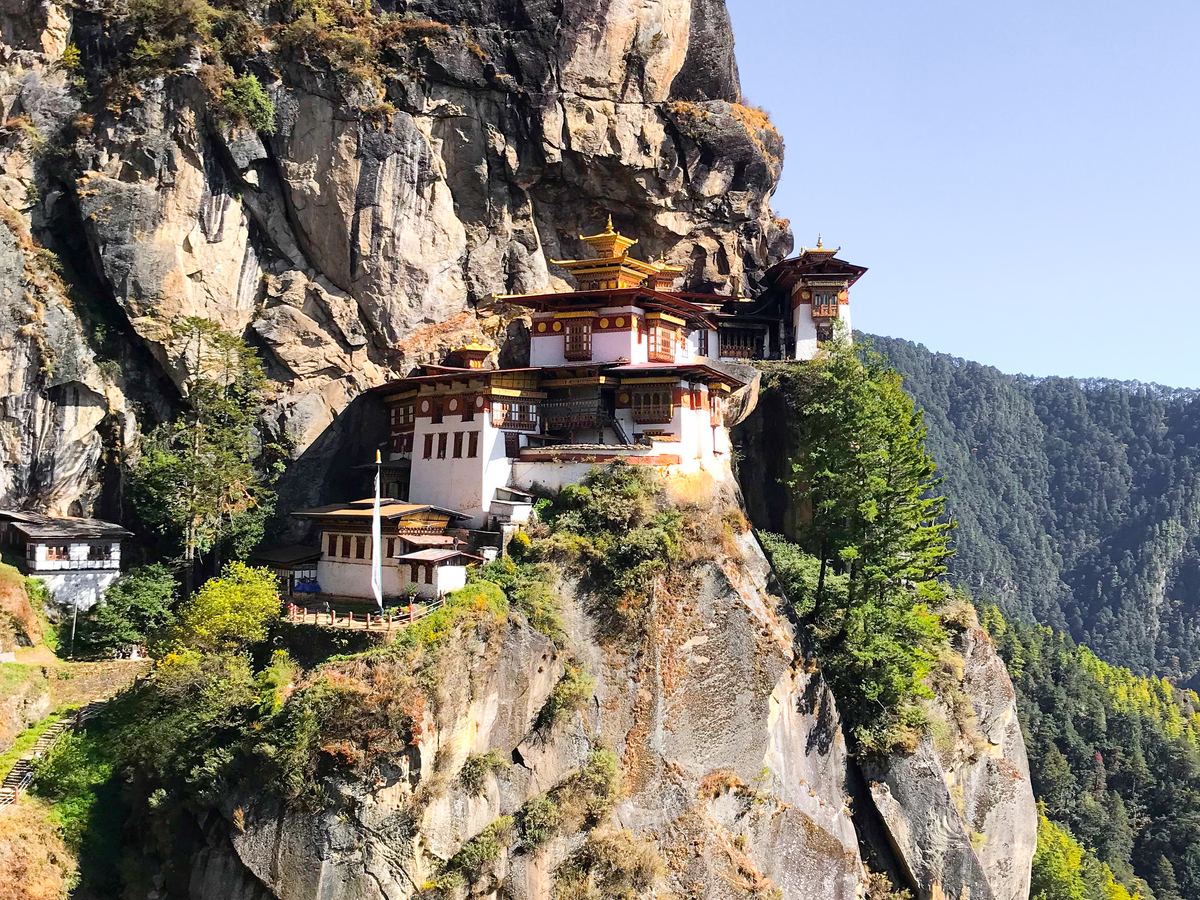
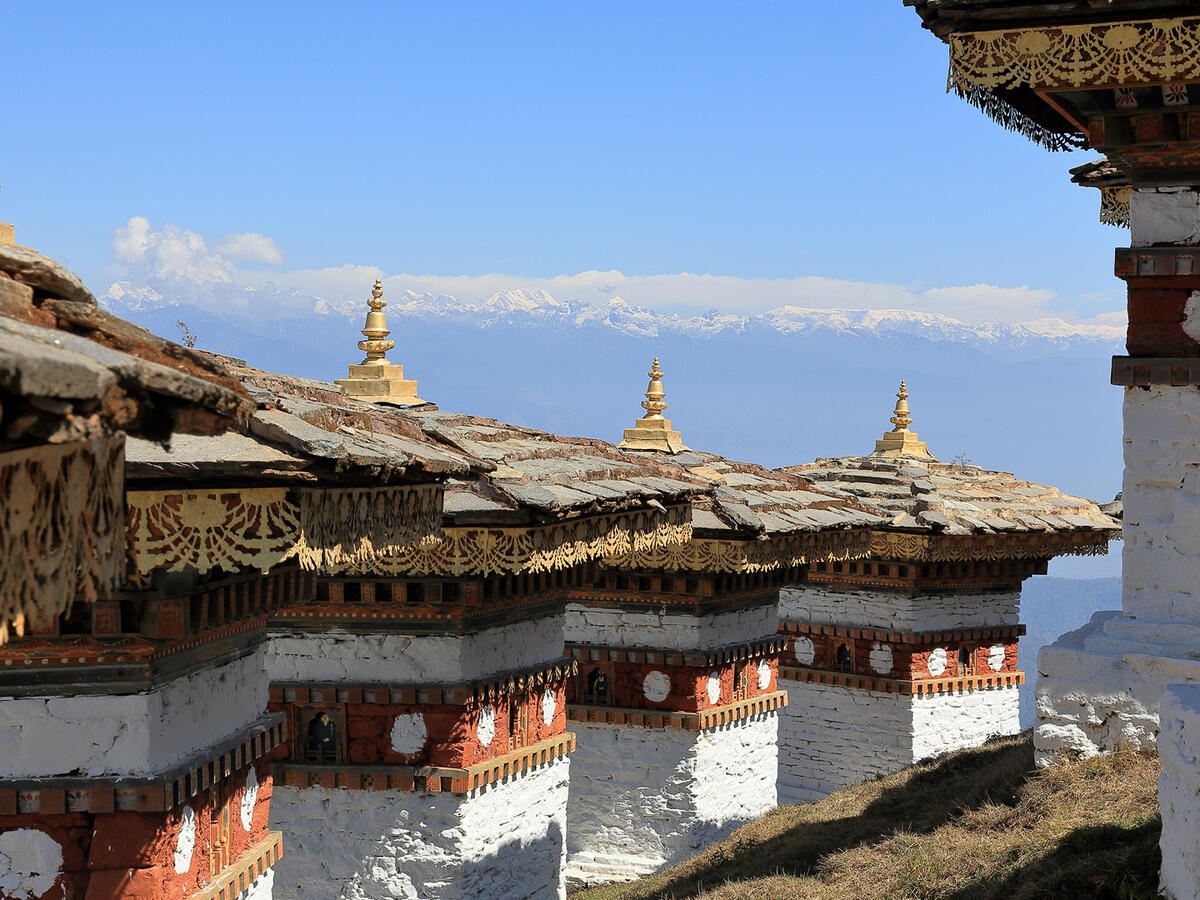
We experience a rich history with deep roots in Buddhism, along with breathtaking architecture, temples, fortresses, stupas, and chortens. Yet you can still feel city life modernizing - with traffic, cafes serving cappuccinos, outdoor gear shops, and smartphones in almost every hand. In the cities, noticeably fewer people wear the traditional daily attire (Gho and Kira), which remains mandatory in the school system and across all public workplaces.
Days in the Mountains
The days spent in the mountains add an extra dimension to the journey. The forest feels ancient. An old-growth woodland draped in lichen and moss hanging from the trees, a clear sign of pure air, our guide tells us. Bhutan is one of only two carbon-negative countries in the entire world.
Our guide is well-educated and knowledgeable. The only thing they don’t keep track of is the elevation in meters. Or rather: they simply don't care whether we’re at 3,400 or 3,600 meters above sea level. We are high up either way and need to respect that. Walk slowly, breathe deeply, and drink plenty of water. Otherwise, we should just focus on the surrounding nature and stay present in the moment. We have all the time in the world; we just need to reach camp before dark. That is the goal for the day.
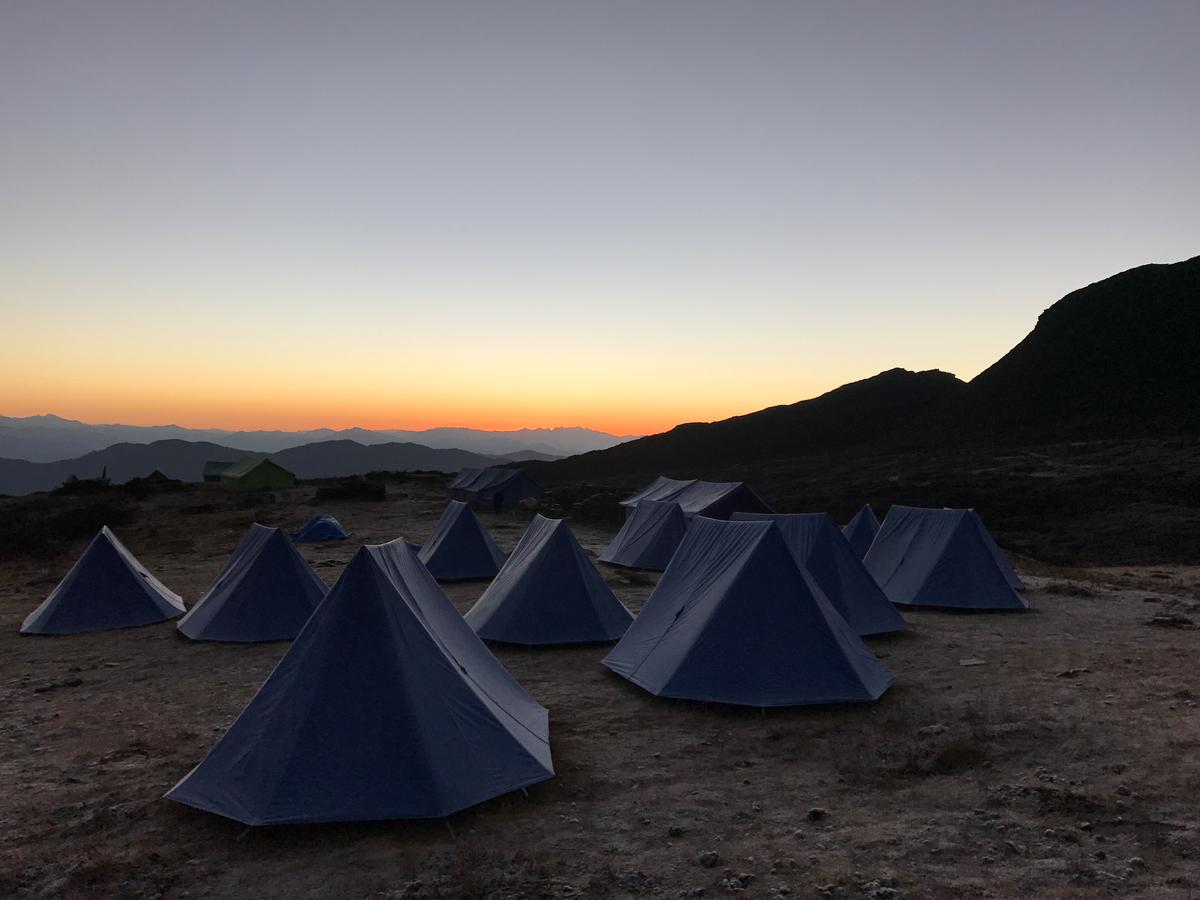
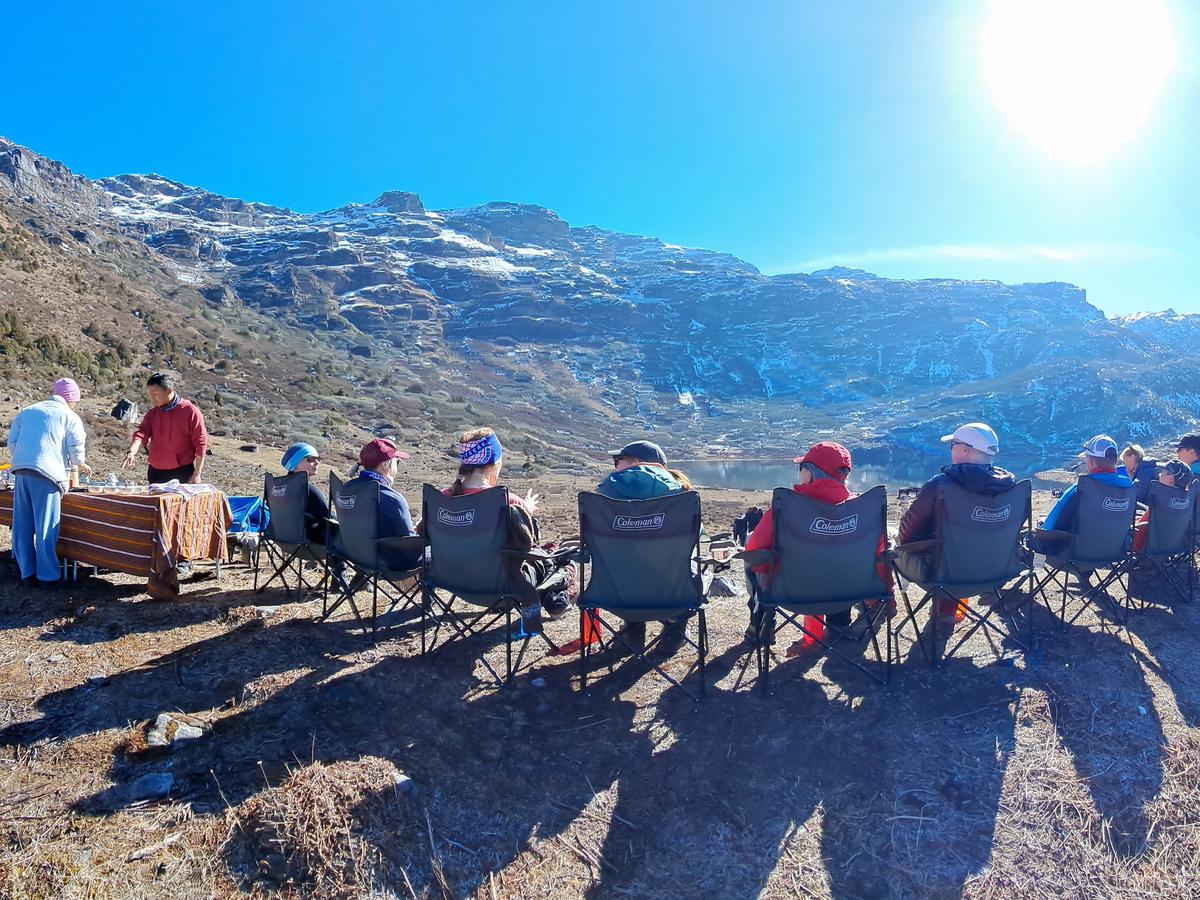
We enjoy tent life with great food sitting in the best camp chairs. Not even Eivind, with his 16 expeditions with us, has ever experienced a camp chair quite like this.
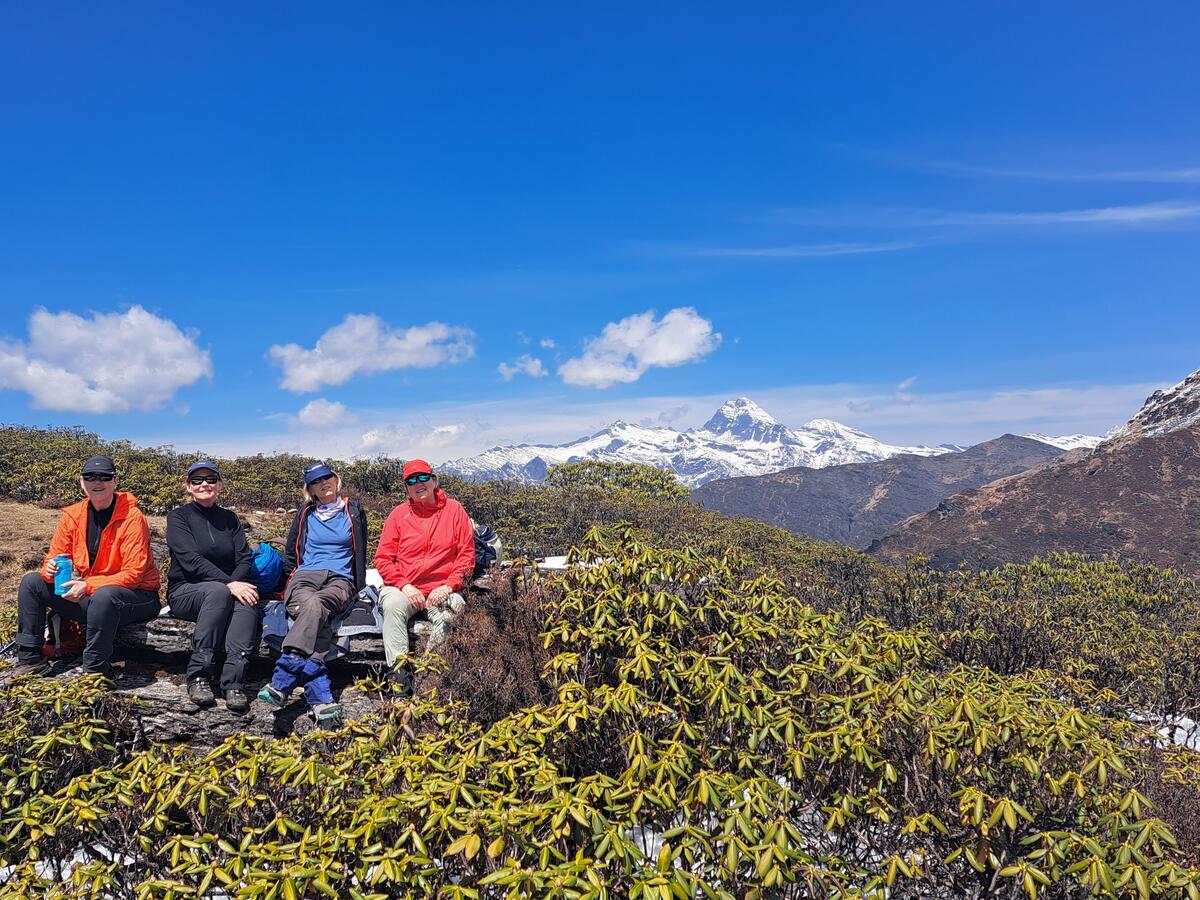
The white peaks of the Himalayas pop into view every now and then. They aren't close, but they stand there mighty and majestic. Many of them are sacred, meaning no human has ever summited them, making them feel even more imposing.
As we reach higher elevation, we rise slightly above the surrounding rhododendron forest. It boasts a rich shade of green. Imagine if it were in full bloom right now… That would have been pure magic. For now, we rely on our imagination, knowing it blooms in various shades of red splashed with white flowers.
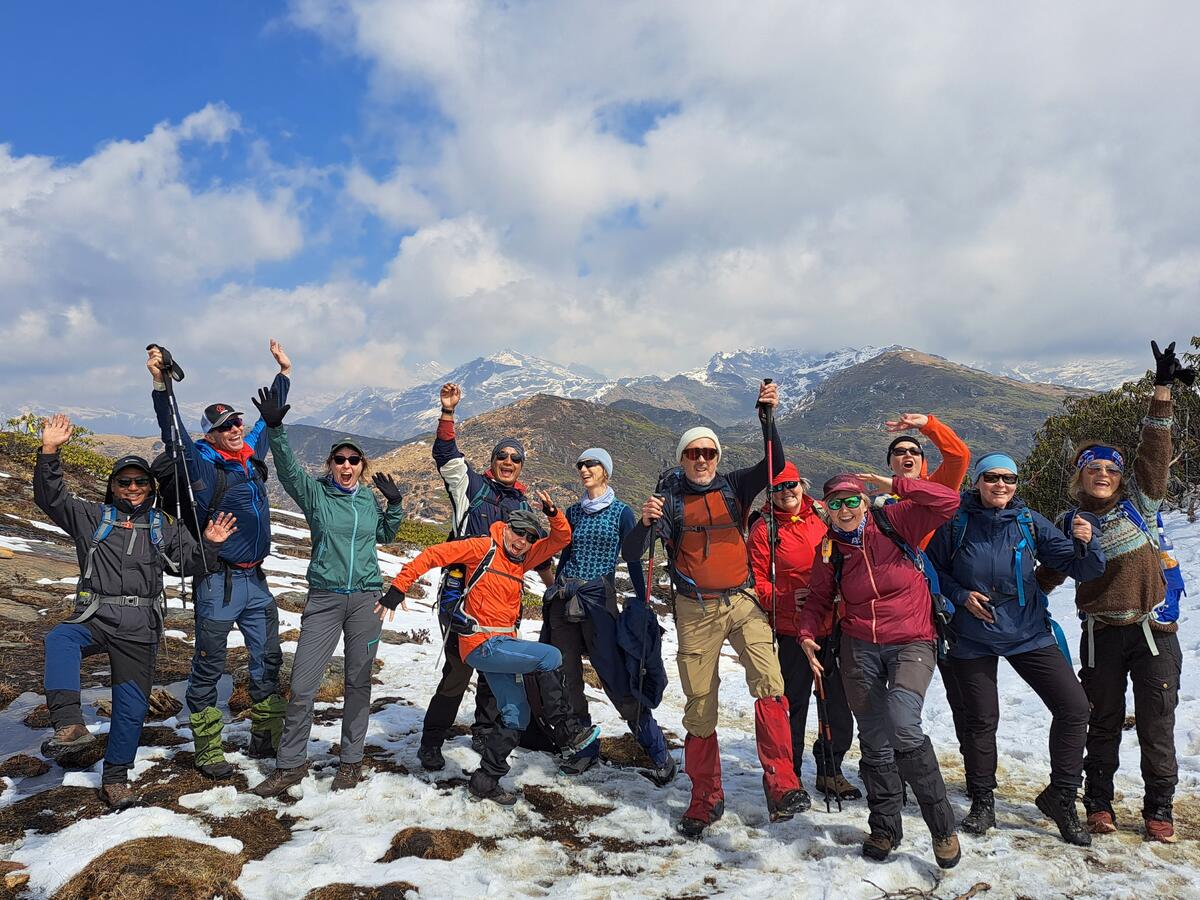
As our days in the mountains draw to a close, we are left with memories of beautiful lakes, snowy peaks, enchanted forests, and stunning sunsets. This was all seasoned with a quirky outhouse, morning tea right at the tent opening, group stretching sessions, large angry yak bulls, singing and dancing, more-or-less spicy meals, fun quiz games in the tent, and an Easter egg that never seemed to run out.
Yet nothing compares to the memories of our local crew, who did everything in their power to ensure we had the absolute best experience possible.
The Bhutanese Soul
After our trek, I told the manager of our local partner agency about the fantastic people he has on his team. He simply replied: "Everyone is like that in Bhutan; it's in the Bhutanese soul."
That was precisely our impression after visiting this wonderful country with its captivating culture. The Bhutanese people are genuine, warm, hospitable, and genuinely happy.
If you have your doubts, take the trip and experience it for yourself—but watch out for the chili cheese (Ema Datshi), it stings more than you’d think! ;)
Safe travels!
— Hanne