06.03.2026
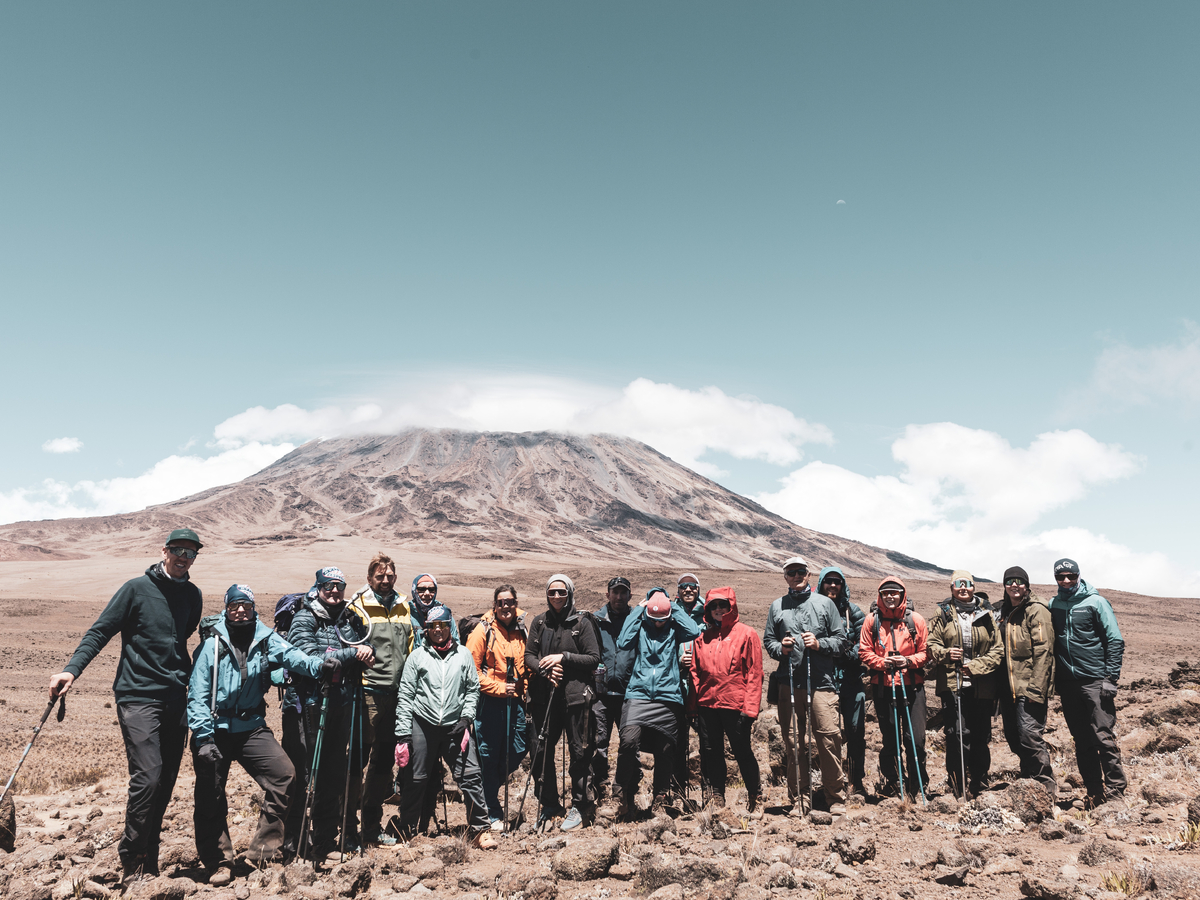
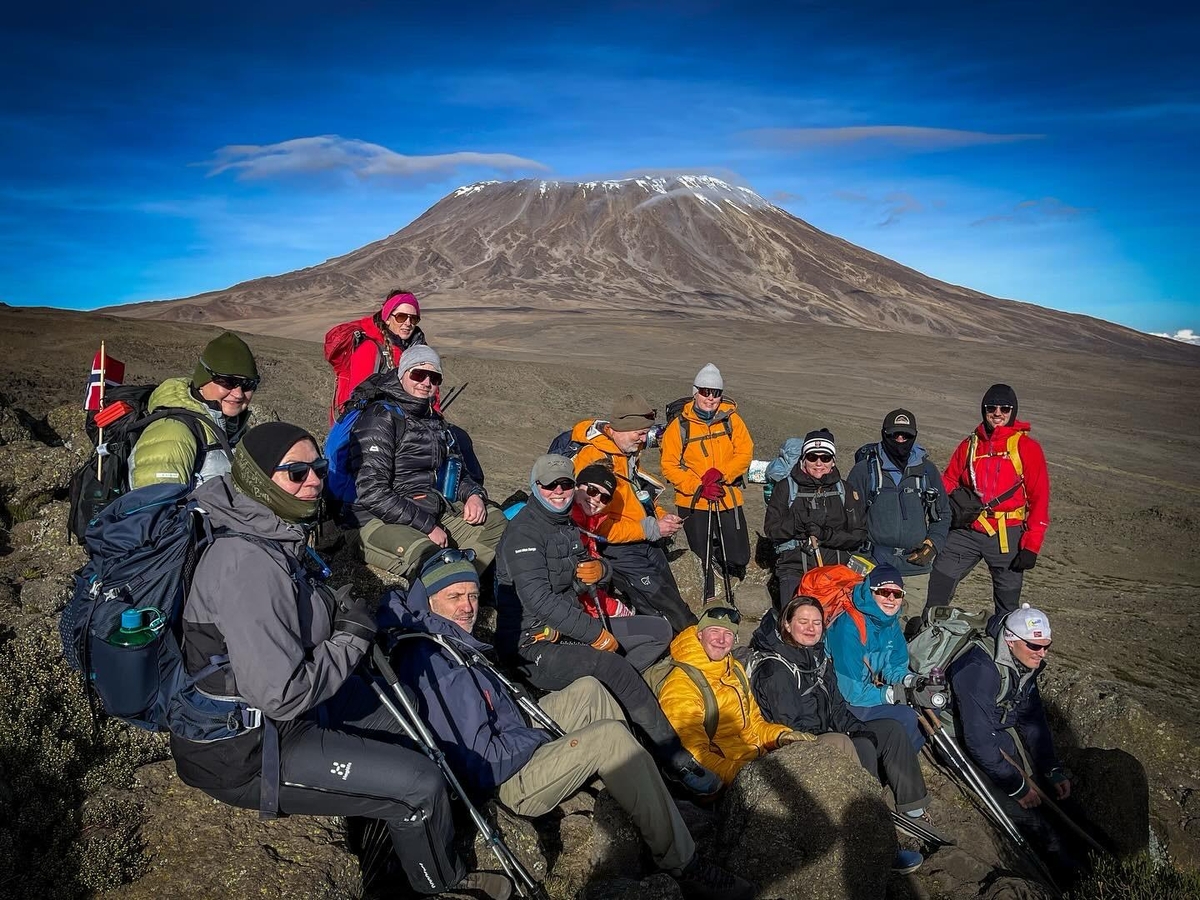
Every year, Norrøna Adventure takes between 50-80 guests to Kilimanjaro. We've been traveling to the mountain since the 70s when one of the company's founders played a key role in building the national park. Here we share our five tips for reaching the top of Africa.
What makes climbing Kilimanjaro so special?
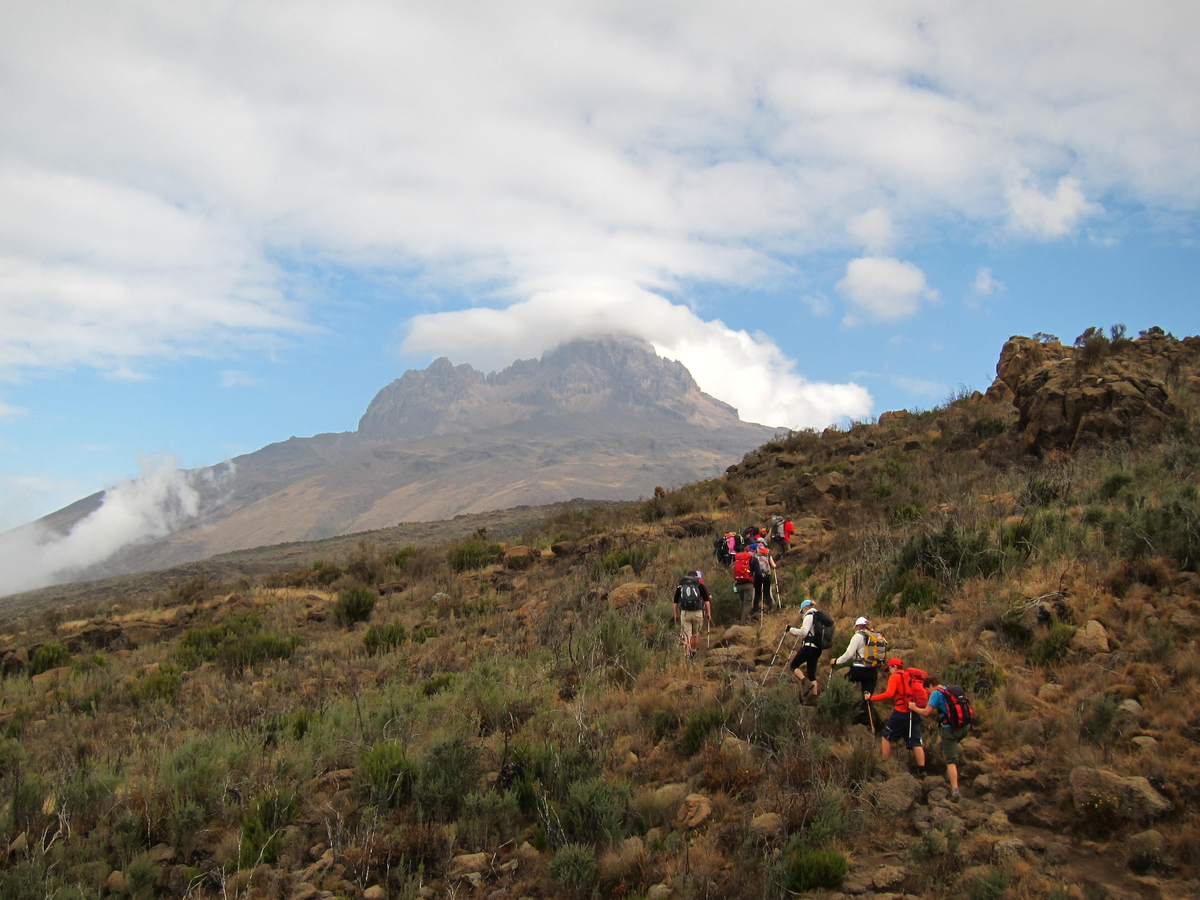
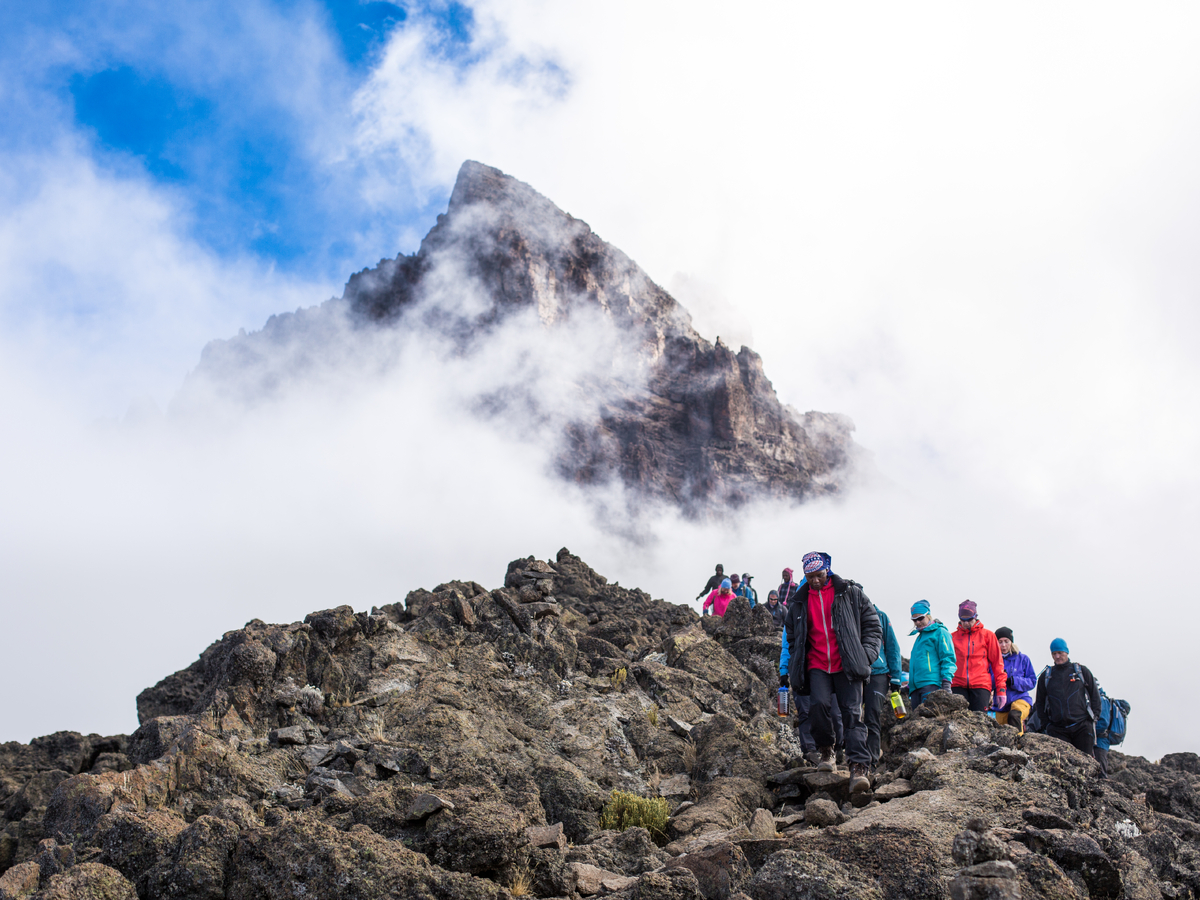
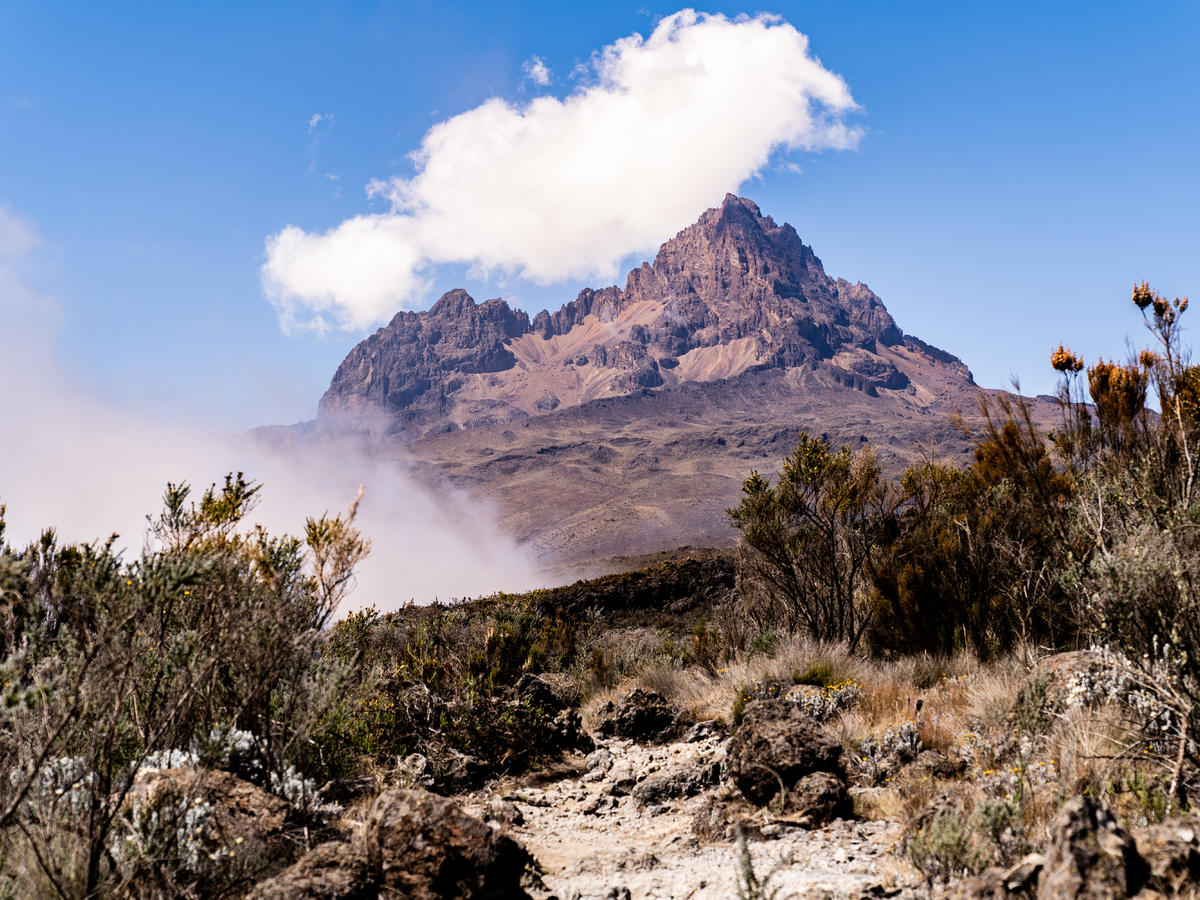
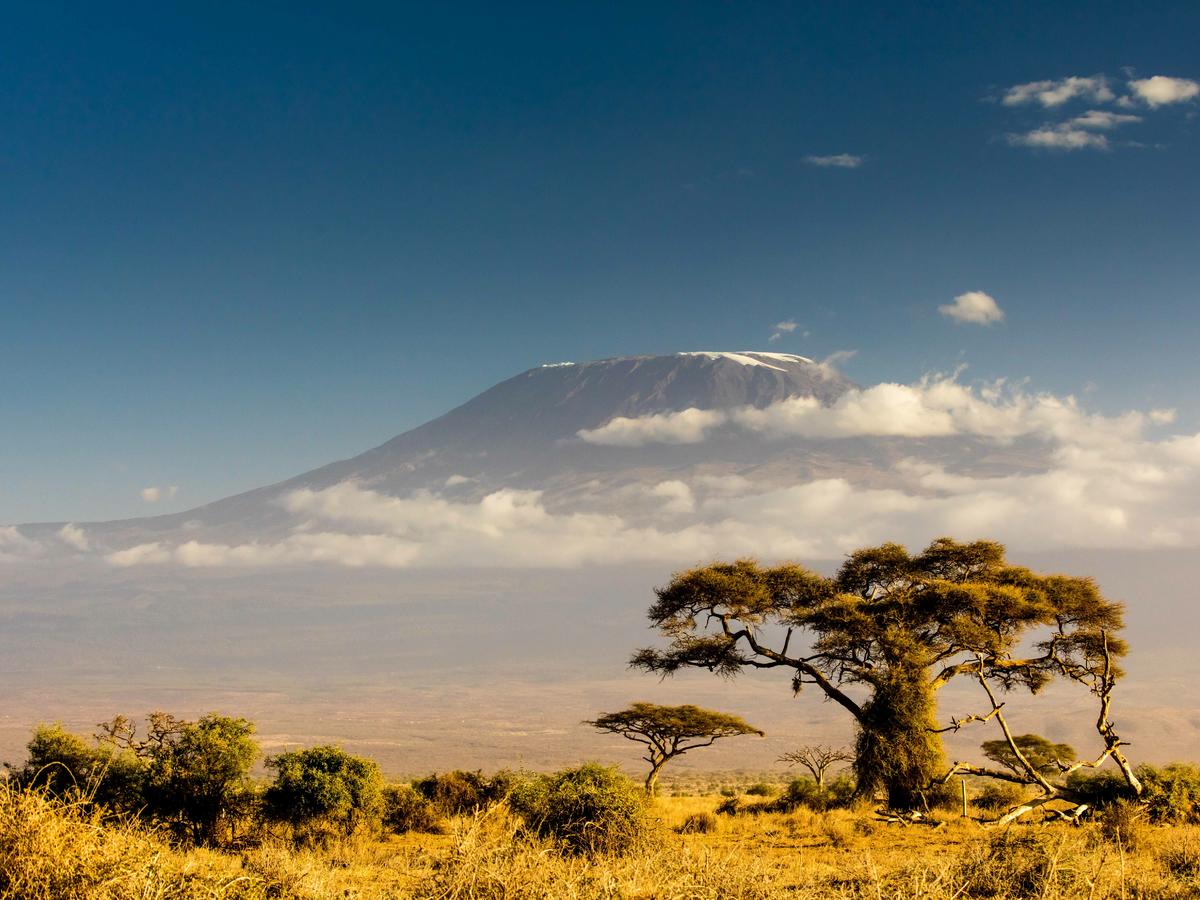
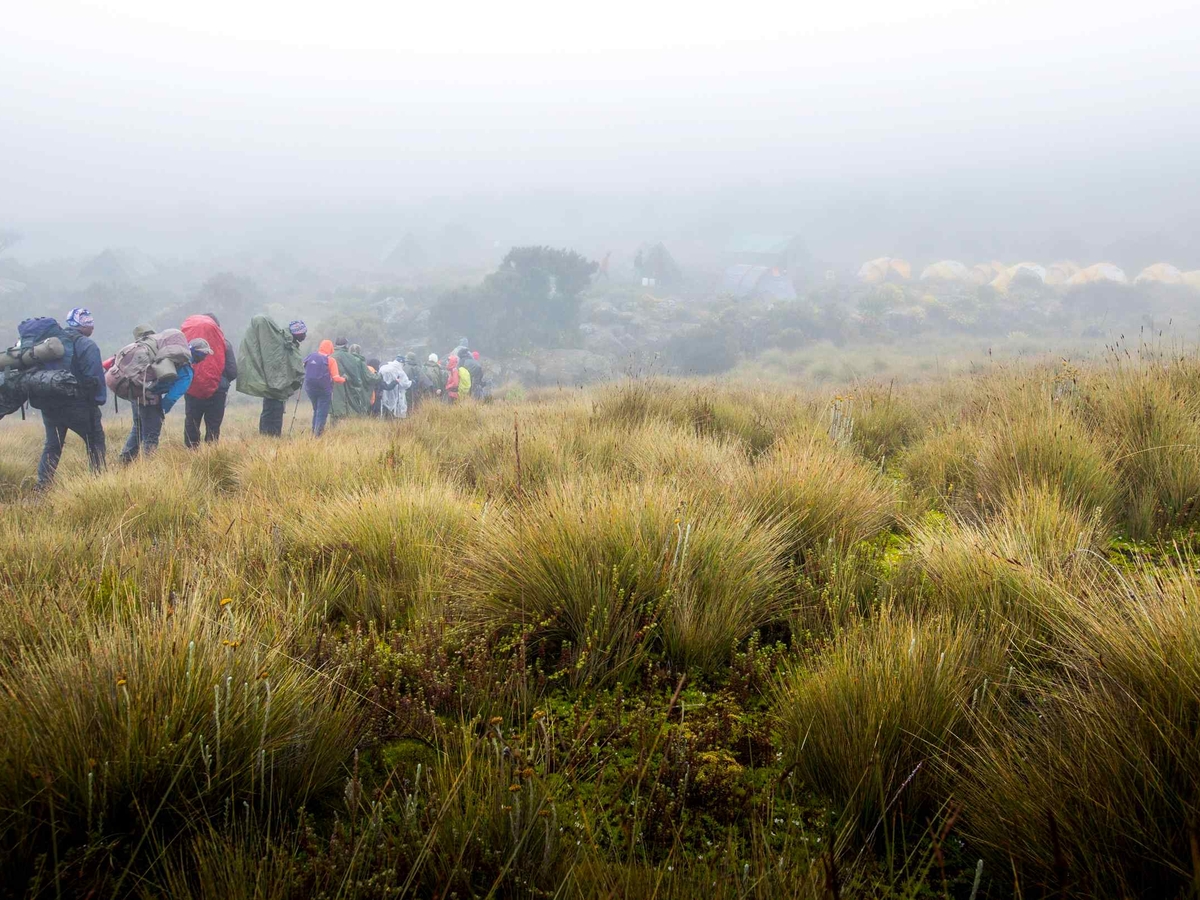
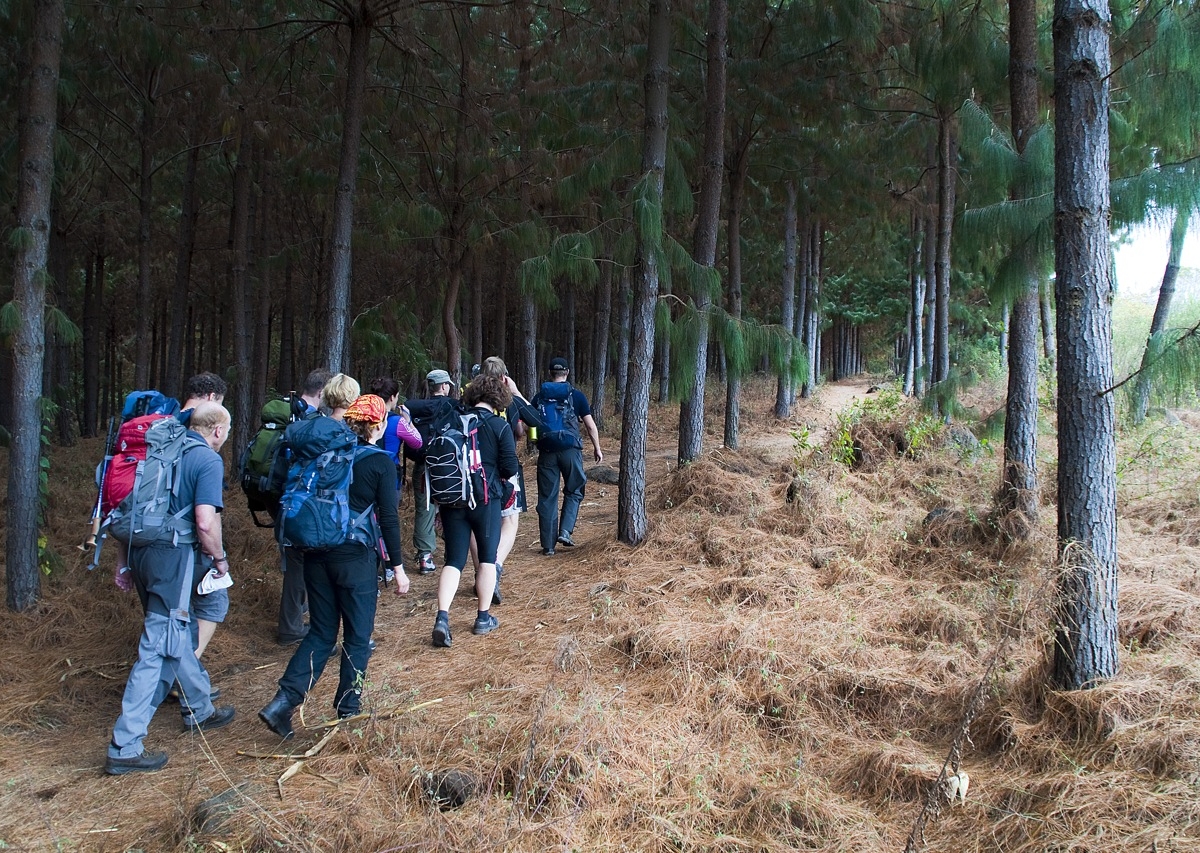
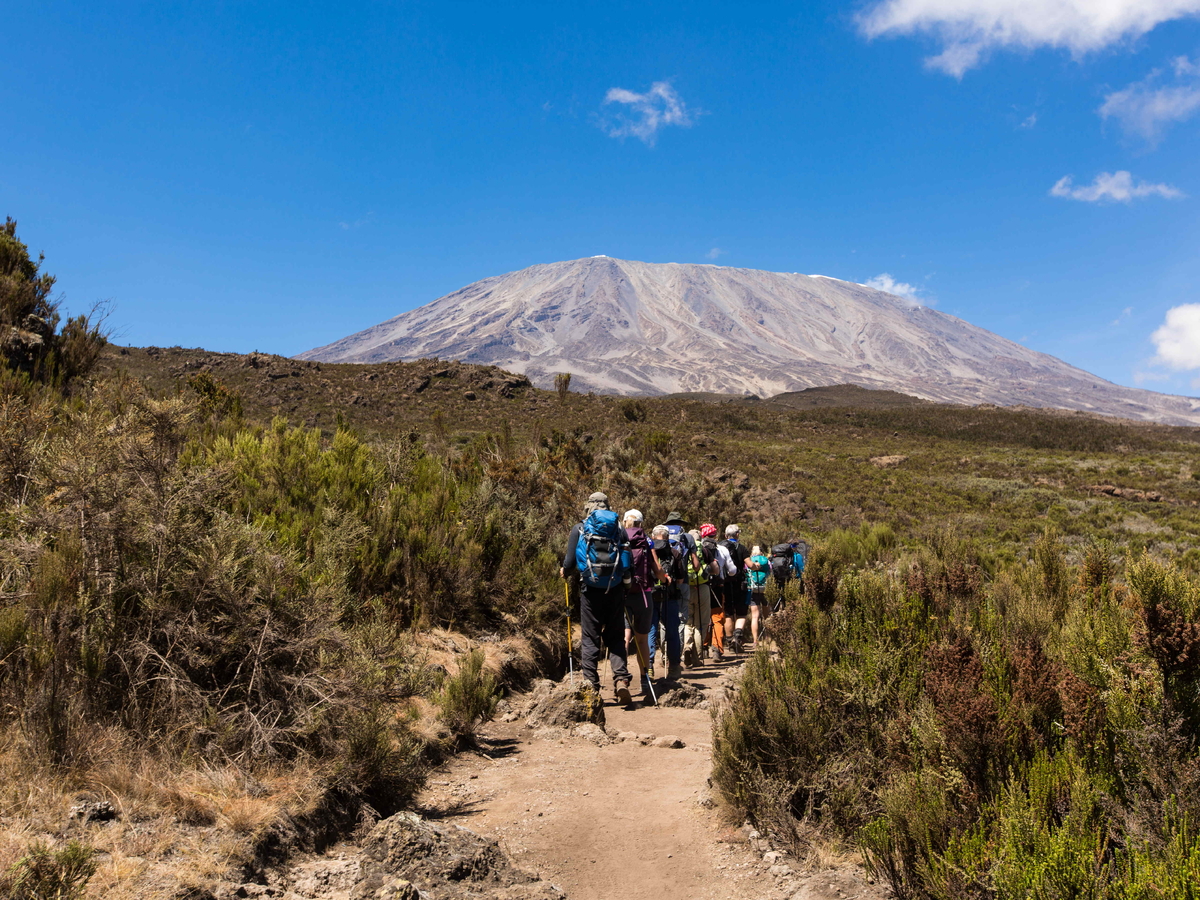
The journey up Kilimanjaro is a spectacular showcase of beautiful and ever-changing nature. You will begin your trek in a lush, vibrant jungle and finish surrounded by the dramatic alpine landscape at the very top of Africa. For anyone curious about what it takes to climb high-altitude peaks, Kilimanjaro is the perfect place to start. While reaching an altitude of 5,895 meters is undoubtedly a true physical challenge, our carefully planned route is designed to make the summit achievable for almost anyone with a good spirit and a solid pair of boots. It is the ideal first high mountain for aspiring alpinists. Plus, as a massive bonus, you will be standing on the highest point in Africa, meaning you can officially cross one of the legendary Seven Summits off your bucket list!
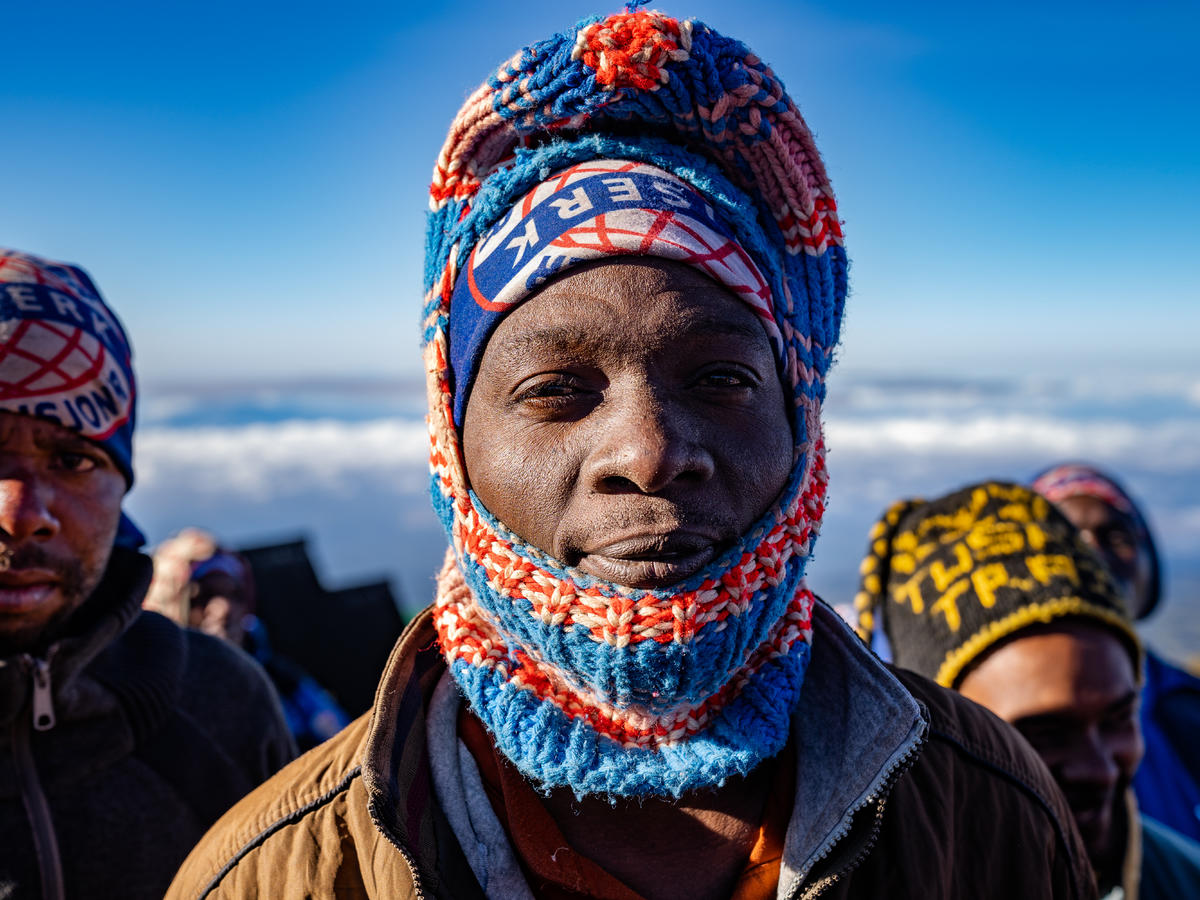
While many travelers head to Kilimanjaro to conquer a world-famous peak, it is often the vibrant culture and the beautiful connections made along the trail that leave the most lasting impressions.
When you join Norrøna Adventure on Kilimanjaro, you are stepping into a fully supported, seamless experience. Our dedicated team of local guides, hardworking porters, and talented private chefs take care of every detail along the way. Their warmth, energy, and stories are truly what turn a great trek into an unforgettable, once-in-a-lifetime journey.
Below we have collected five tips to help you have a truly great hiking experience on Africa's highest mountain:
1. Prepare yourself
Climbing Kilimanjaro is a once-in-a-lifetime adventure that requires a real investment of your time, budget, and energy. But the journey actually begins the moment you book; preparing your mind, training your body, and dialing in your gear list are all part of the excitement. Utilizing the months before departure to lay a solid foundation ensures you can step onto the plane with total confidence.
We are often asked, "Can I really do this?" When it comes to high altitudes, success isn't about being an elite athlete—it's about patience. On the mountain, we trek slowly to give your body ample time to acclimatize. However, physical conditioning is still key; building up your stamina now means you'll have far more energy to handle the altitude and truly enjoy the breathtaking surroundings. To prepare, we highly recommend breaking in any new boots early and practicing slow, weighted hill walks with a backpack.
2. There is no such thing as bad weather...
Because Kilimanjaro sits near the equator, it can be climbed year-round, but the journey requires packing for multiple distinct climate zones. You will start in a warm jungle perfect for shorts and t-shirts, and end in sub-zero alpine conditions on summit night. To stay comfortable, mastering the art of layering is essential. Thermal wool underwear is your best friend because it regulates temperature beautifully, layers easily, and naturally resists odors over multiple days. You will also need versatile outerwear, including a breathable shell jacket and pants for sudden weather shifts, a spacious rain poncho to protect both you and your daypack from downpours, and a roomy, hooded down jacket. This down jacket is non-negotiable—you will use it to relax in camp every evening and likely wear it to stay warm during the freezing final push.
Your footwear strategy is equally critical for a successful hike. Comfortable, broken-in trail shoes or light hiking boots are perfect for the initial days, but proper, insulated mountain boots are absolutely mandatory for the summit night. Fortunately, because Kilimanjaro is a non-technical trek, you can leave specialized climbing gear like ice axes and crampons at home. You will only need to carry a relatively light daypack while trekking, as our incredible team of porters will transport the rest of your luggage between camps. If you already enjoy the outdoors, you likely own most of what you need, but you can find a full packing list on our website—and our team is always happy to help if you have any questions!
3. Enjoy the ride
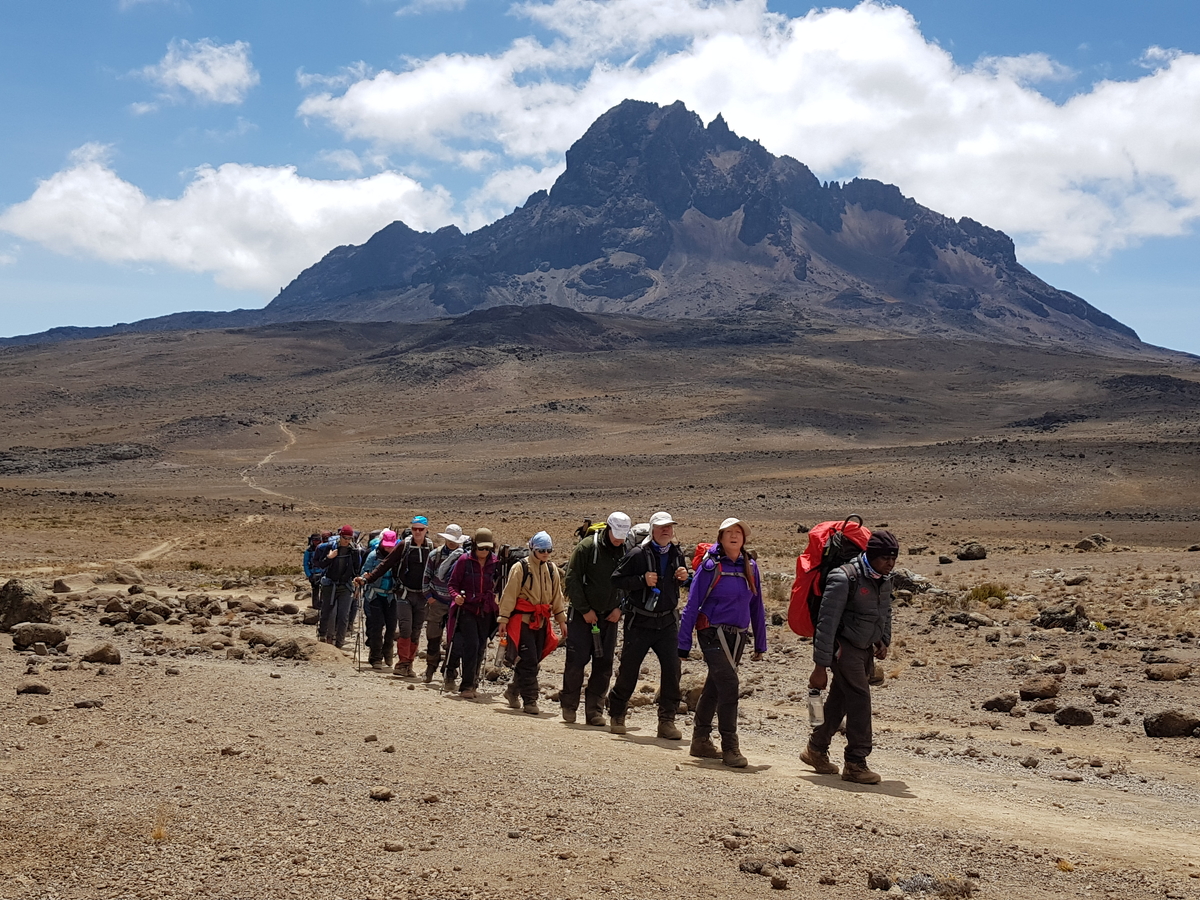
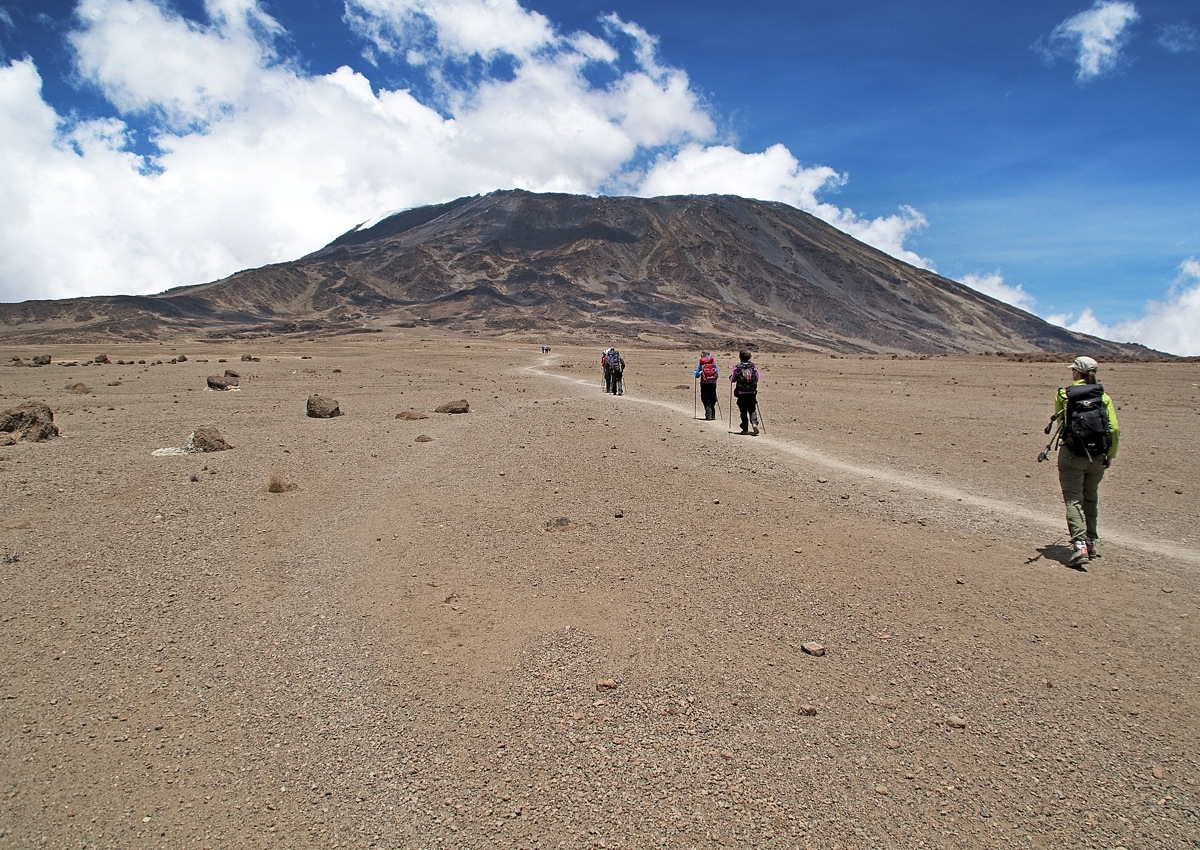
The journey up Kilimanjaro is just as important as the few minutes spent celebrating at the summit. While some companies offer rushed five-day treks, Norrøna Adventure strictly avoids them. Shorter trips don’t give your body enough time to acclimatize, leading to preventable altitude sickness, headaches, and nausea. Instead, we guide you along the beautiful, uncrowded Rongai Route over 7 to 8 days. This deliberate pace allows your body to adjust seamlessly, ensures you stay feeling strong, and gives you the stress-free time needed to connect with the local culture, bond with our helpers, and truly soak in Africa's most spectacular landscapes.
4. Eat, drink, rest!
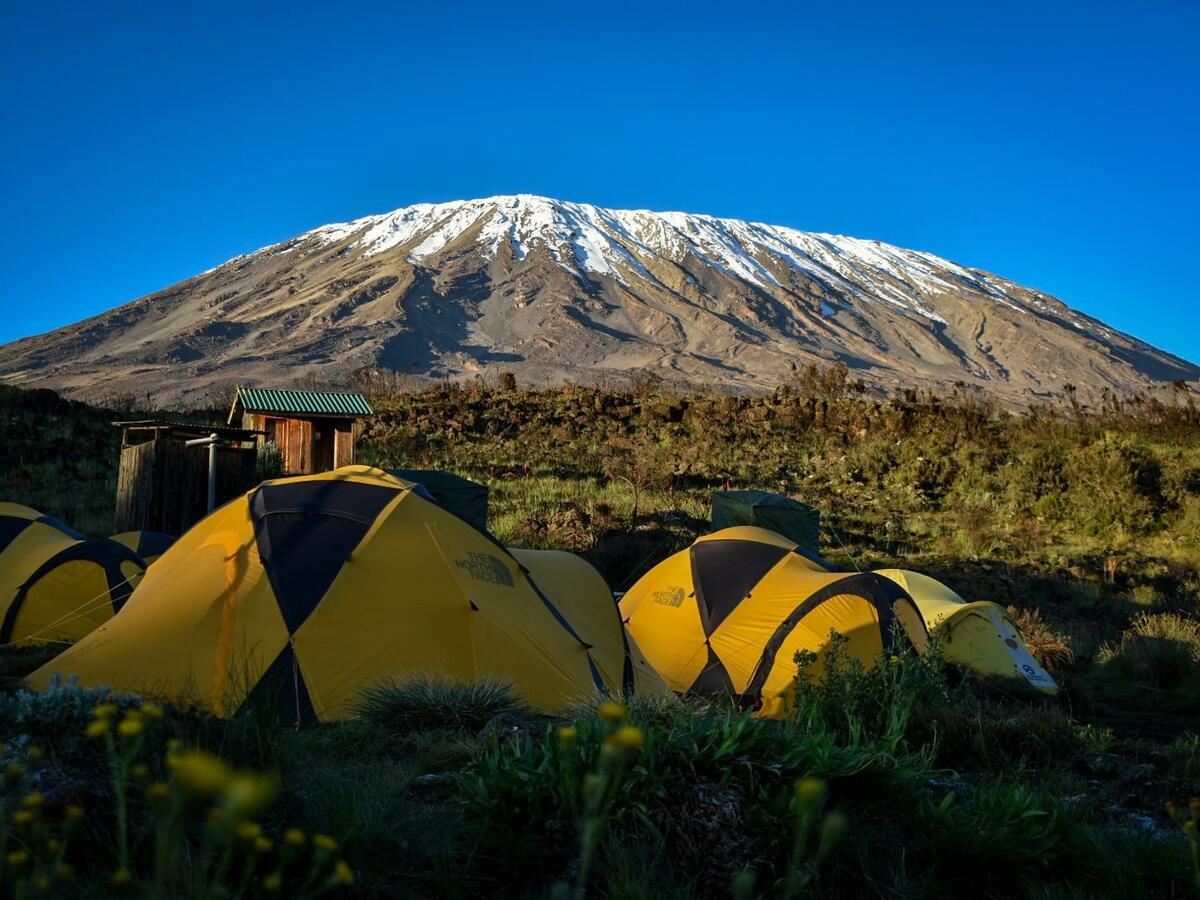
Proper eating, drinking, and resting are vital for conquering Kilimanjaro’s demanding summit night. We treat our guests to "luxury tent life," featuring spacious tents, morning tea and coffee served directly to you, hot washing water, and dedicated toilet tents with proper seats. In our large dining tents, the group gathers for generous, delicious three-course meals. Because appetite naturally wanes at high altitudes, we highly recommend bringing favorite snacks from home, like potato chips, which offer lightweight energy and a salt boost that encourages you to drink more. Staying hydrated is your best defense against altitude headaches, so use a hydration bladder up to base camp, then switch to an insulated thermos for the freezing summit night. Finally, make it a habit to drink plenty before bed; the midnight trip to the toilet tent is the perfect opportunity to step outside, breathe deeply, and flood your blood with fresh mountain oxygen.
5. Pole, pole
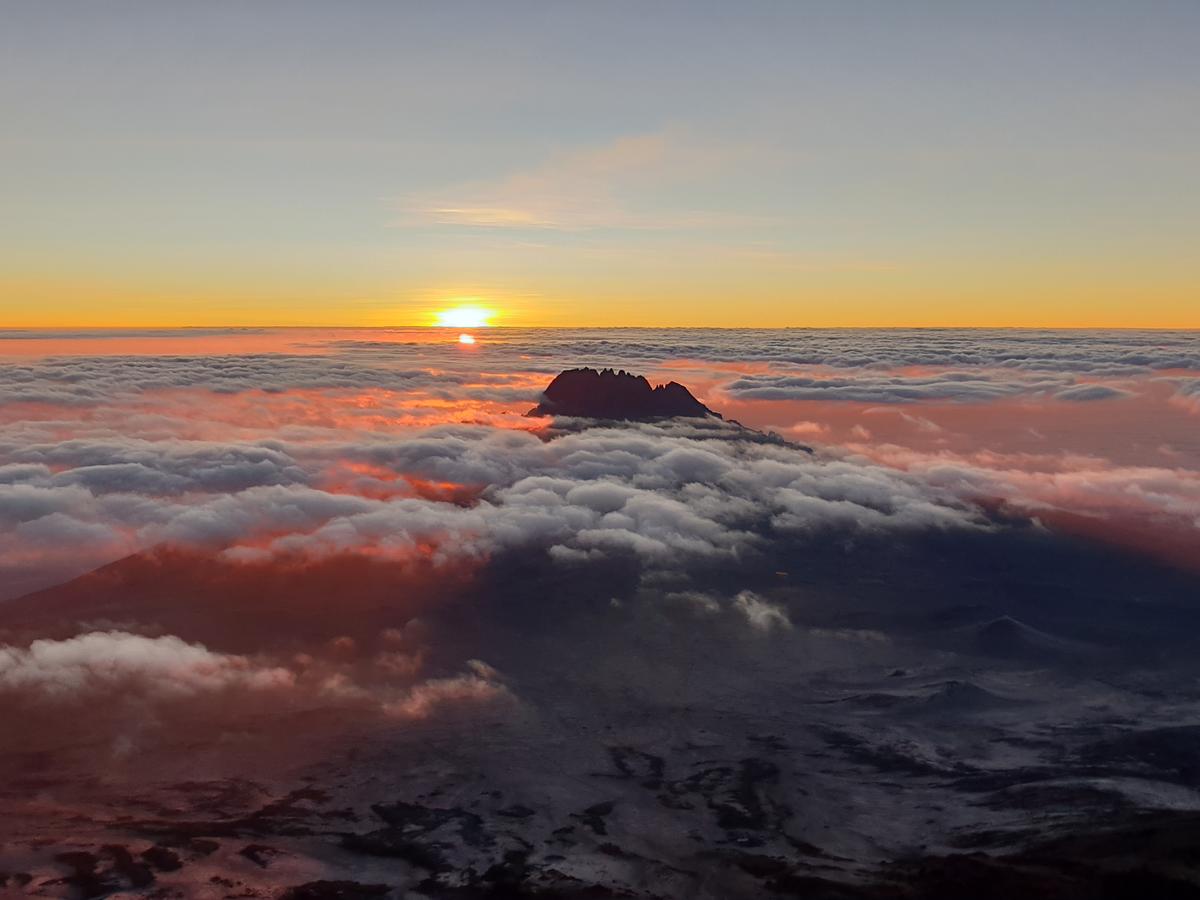
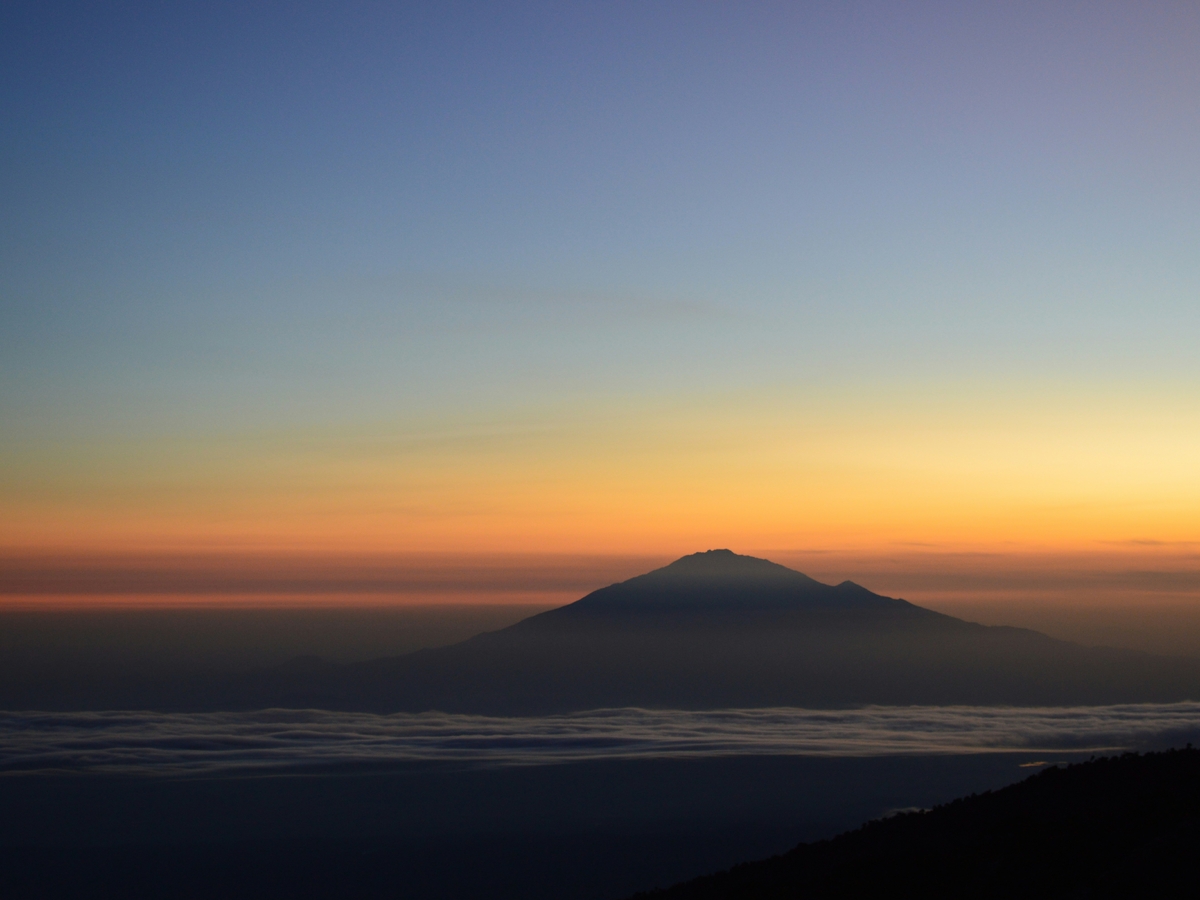
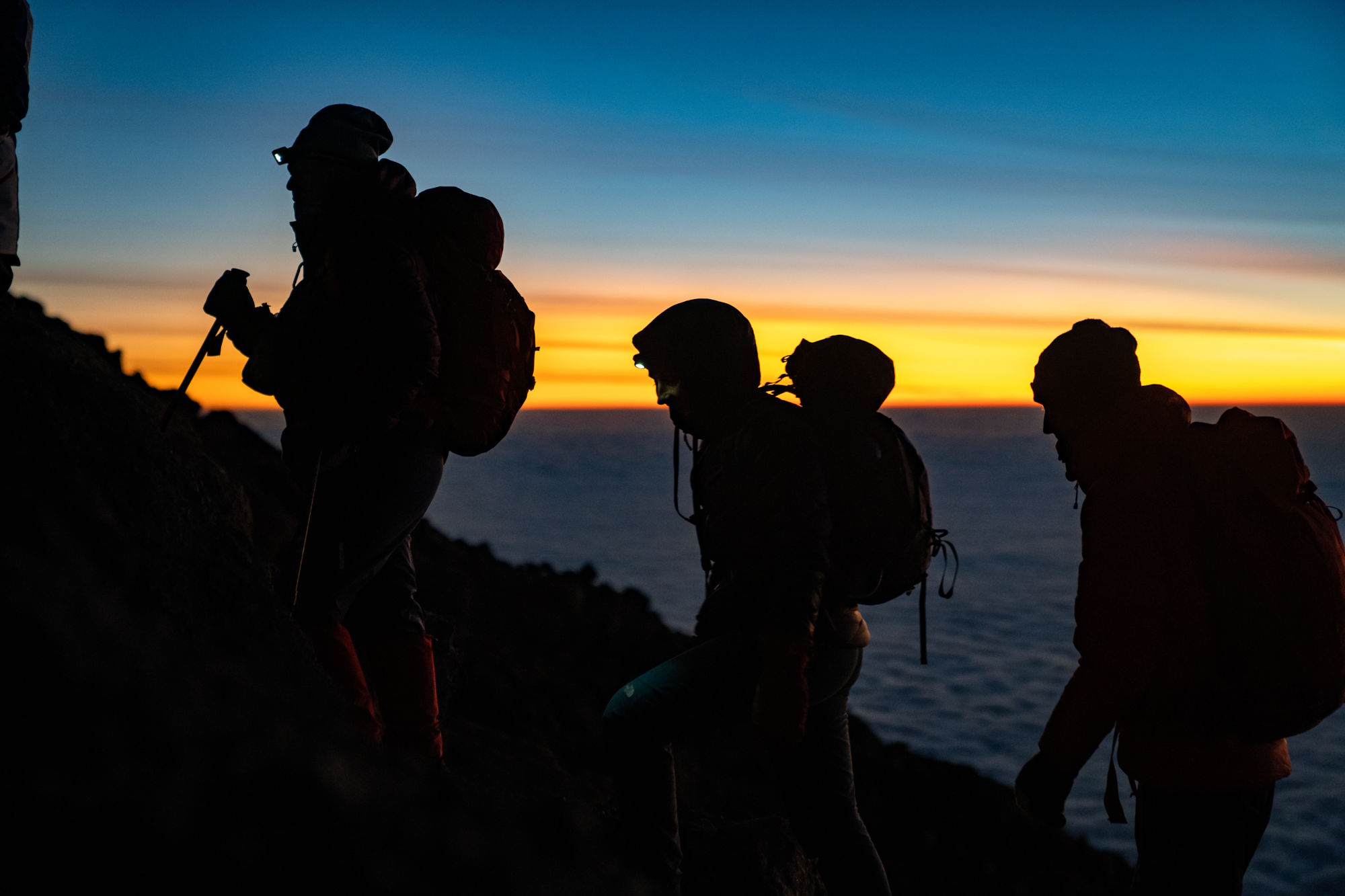
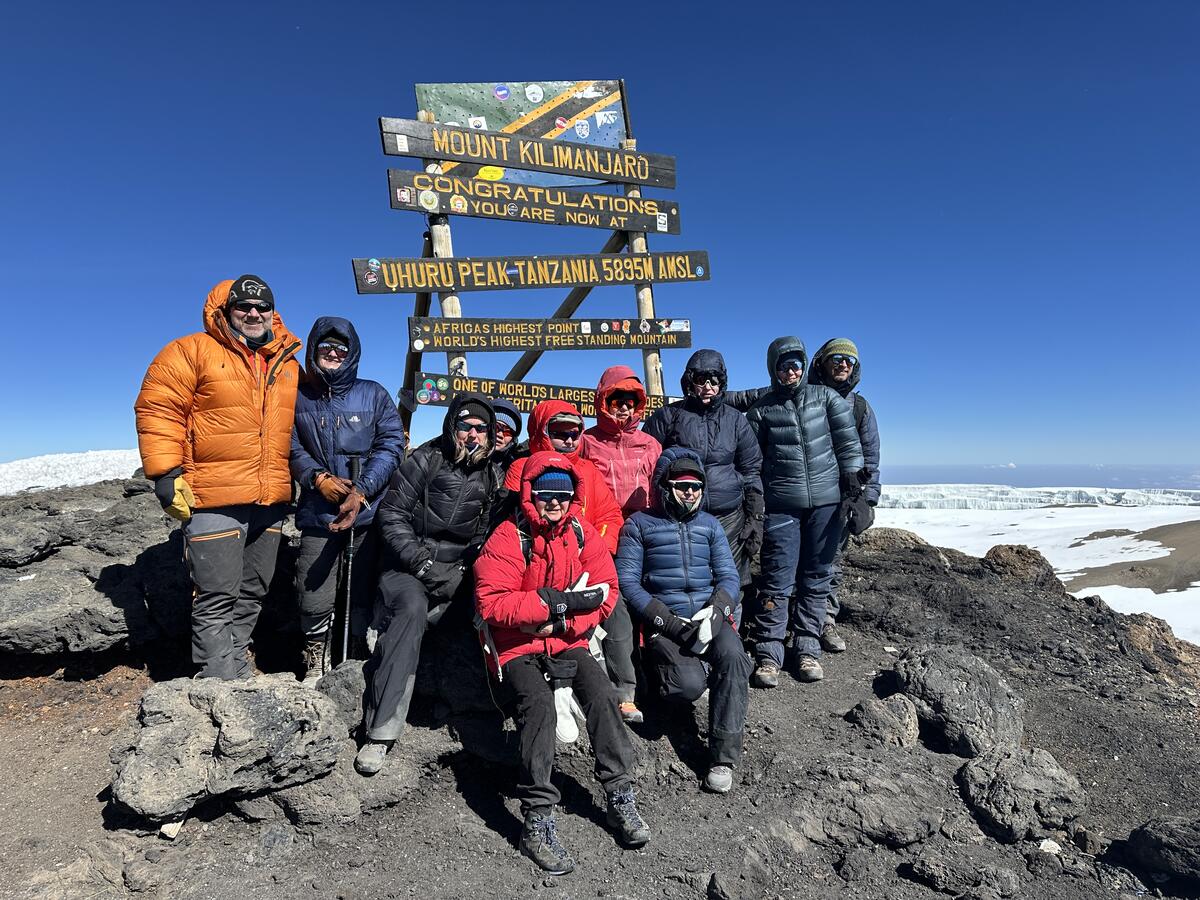
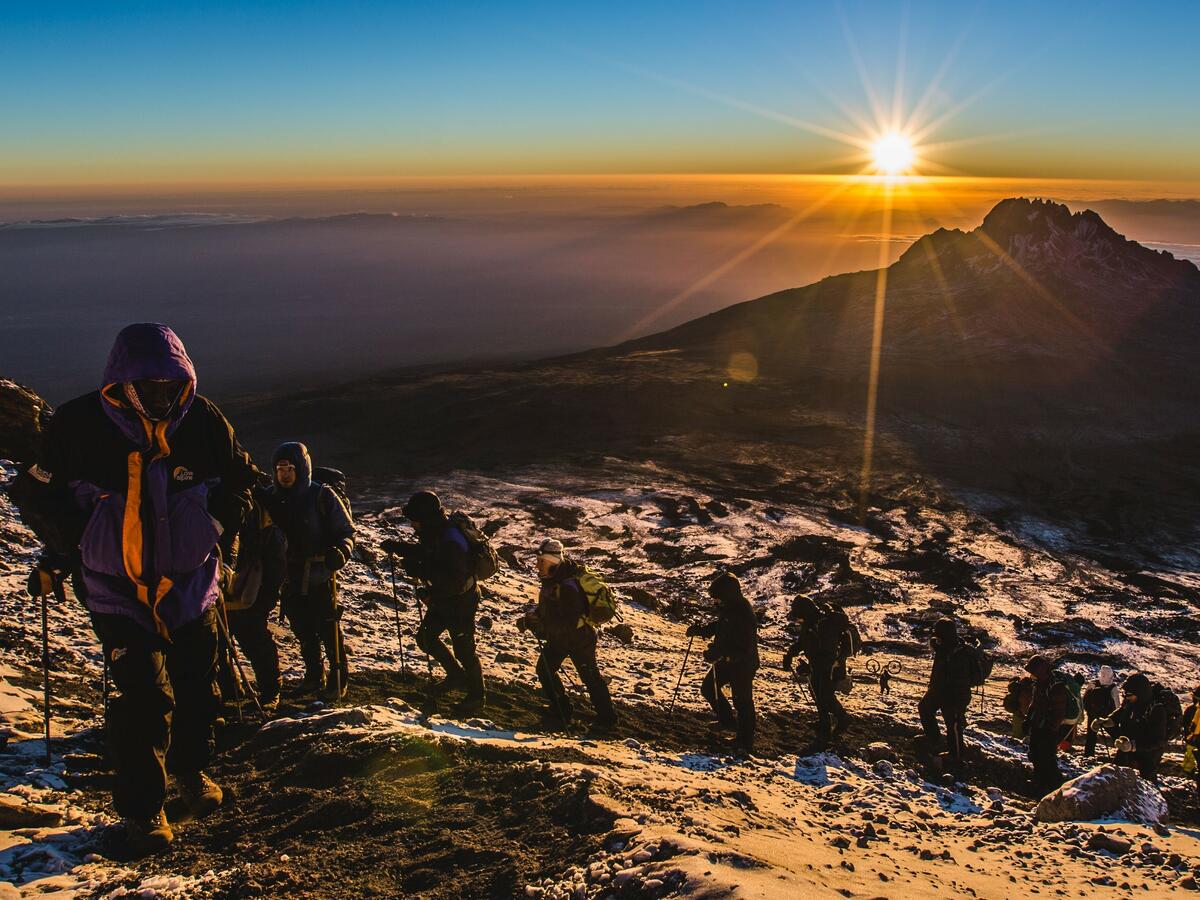
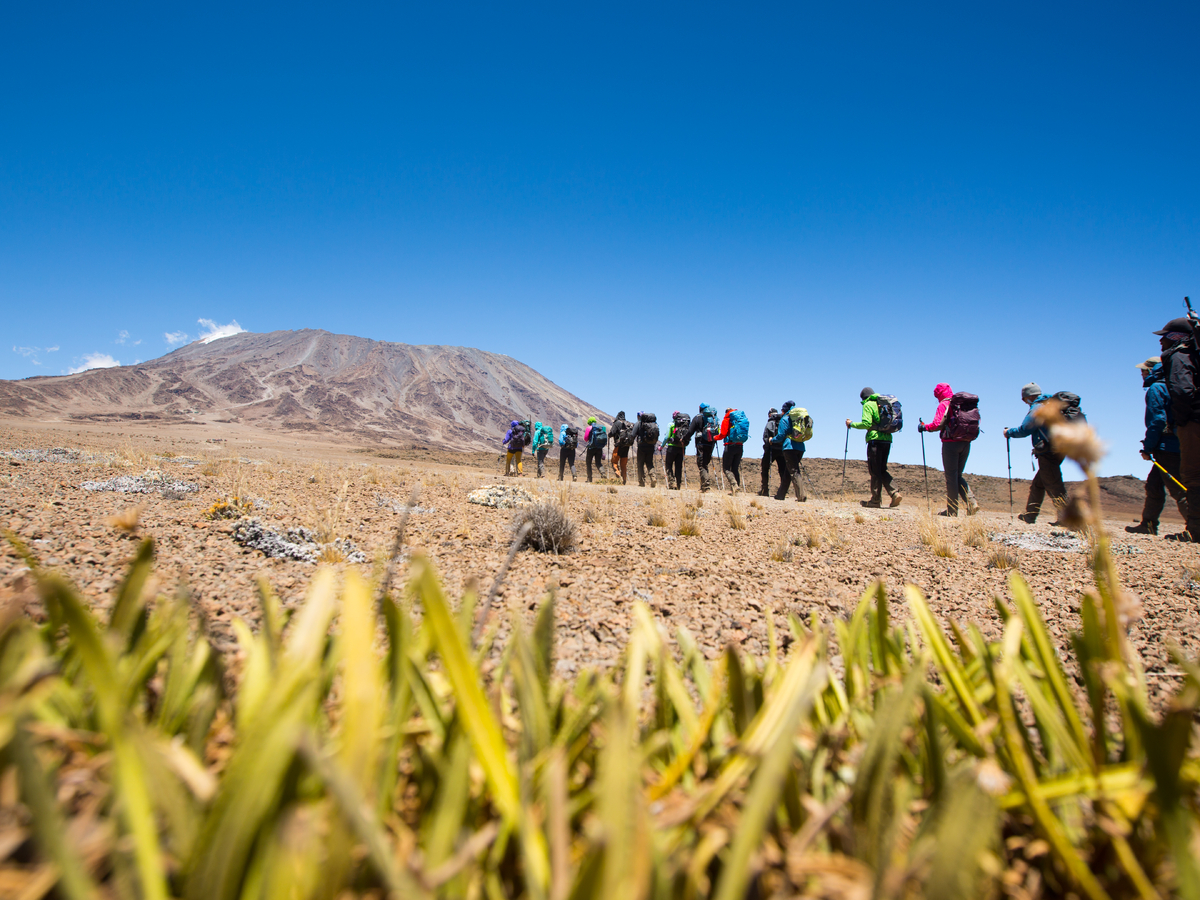
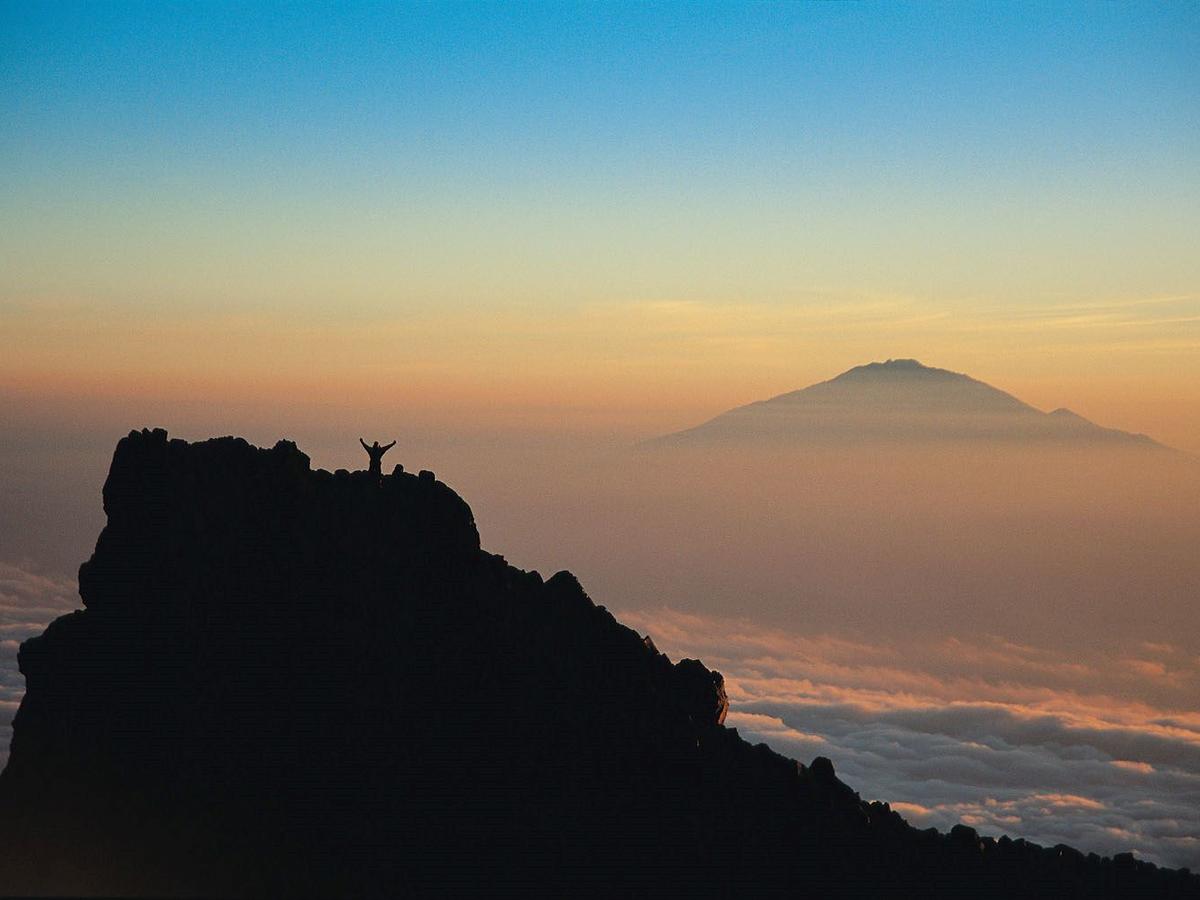
On Kilimanjaro, you will constantly hear the Swahili phrase "pole, pole"—meaning slow, slow. Respecting the altitude is everything, which is why our daily 7-to-8-hour treks are taken at a deliberately leisurely pace designed to let your body adapt seamlessly. The ultimate test is summit night, a challenging 11-to-15-hour push that begins around midnight by the light of your headlamp. Walking in a rhythmic pattern of 50 minutes of trekking followed by a 10-minute rest, you will slowly but surely gain altitude until you reach the crater rim. There, you will be rewarded with a spectacular sunrise over Mawenzi and Uhuru Peak before making the final push along the rim. After a long, exhausting night, nothing beats the incredible feeling of finally arriving at the summit sign and standing on top of Africa.
With these tips and our expert team by your side, we hope to see you standing proudly on top of Africa’s highest mountain soon!