04.22.2026
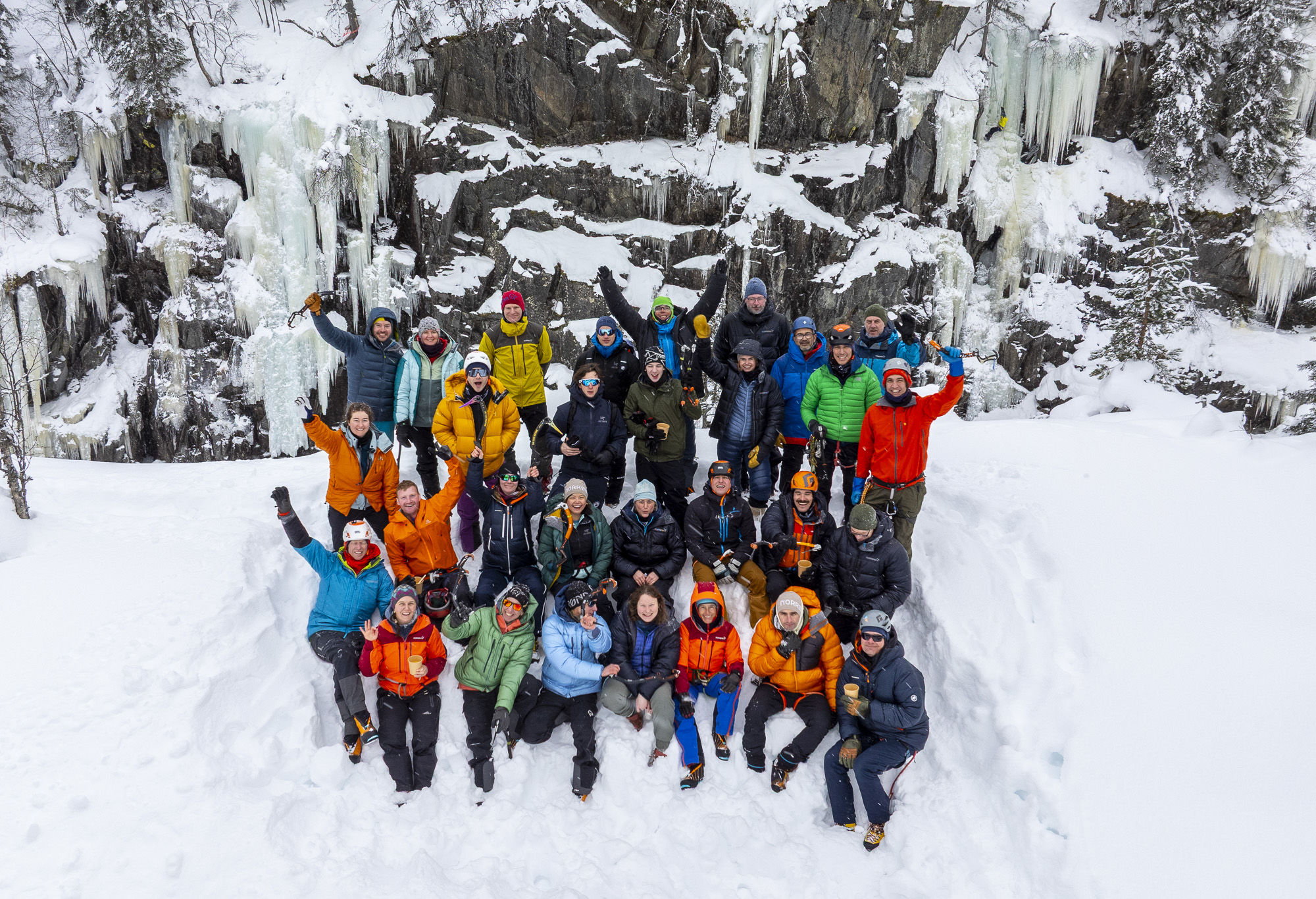
Explore how ice climbing is being transformed by mentorship and community, through a powerful recap of this years Norrøna Ice Climbing Festival. A reflection on how shared experiences are reshaping the way we approach the mountains together.
I went alone.
I did not go in a lonely way. I went in the way that happens when you want something, and you decide you will not wait for the perfect plan, permission, or companion before you let yourself have it.
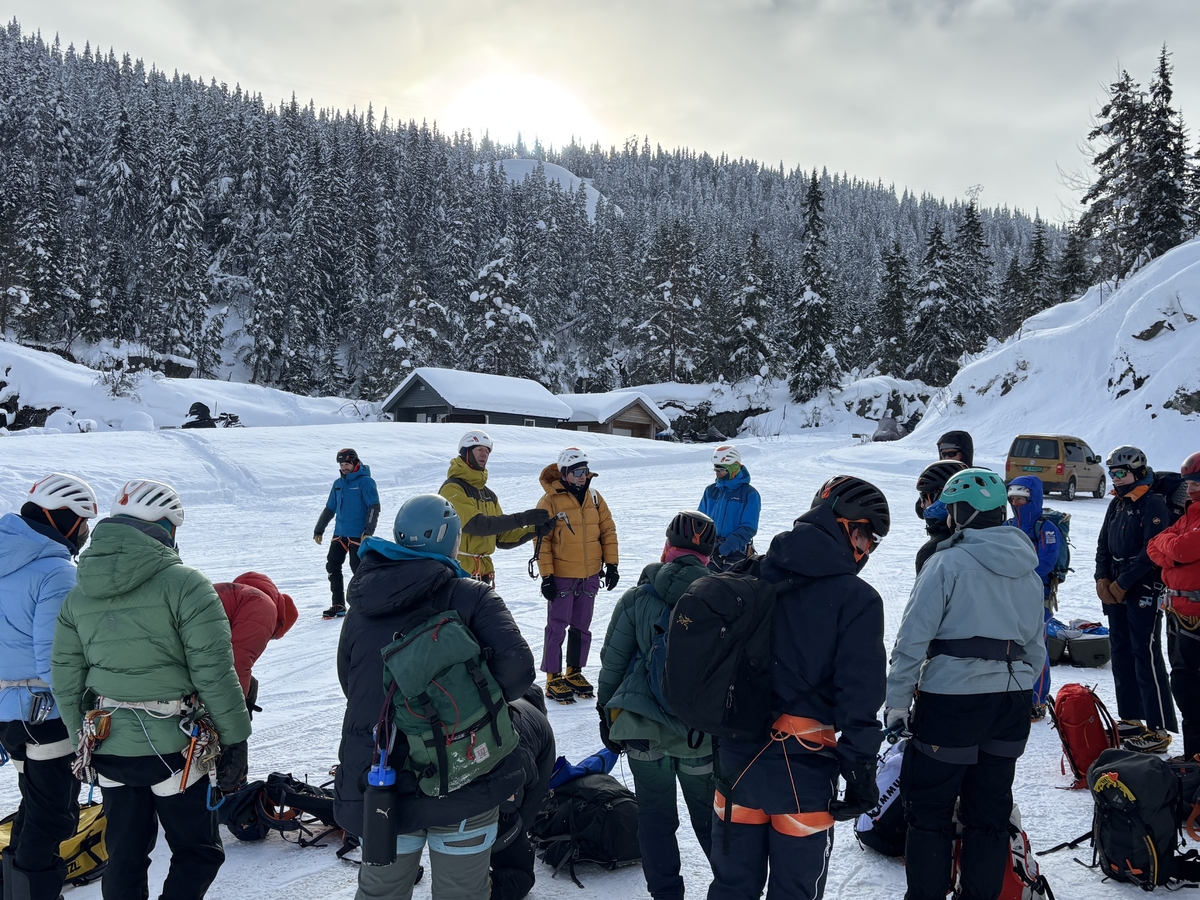
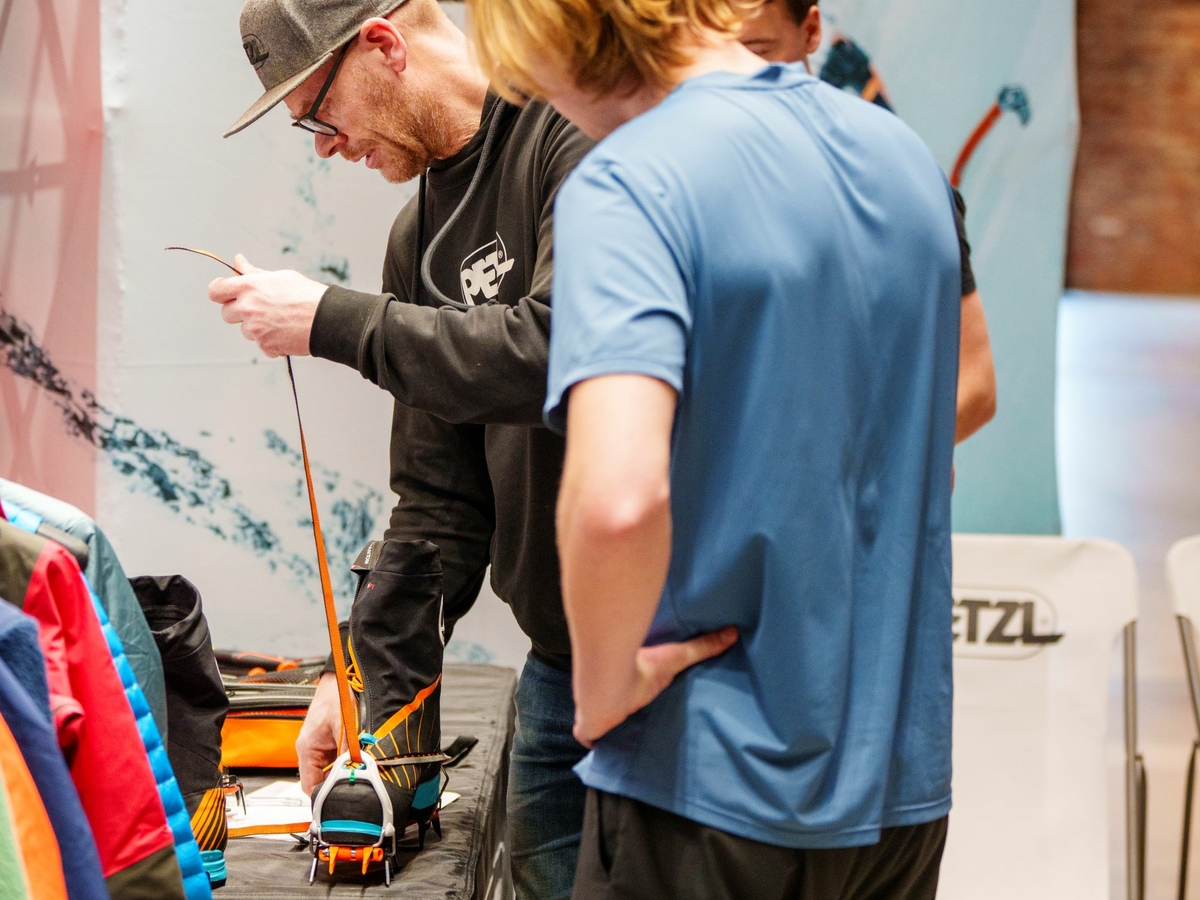
Oslo greeted me with winter’s clean edge. The cold had that bright, rinsed quality, like the city had been scrubbed clean overnight. The air felt crisp in my lungs, sharp enough to make my cheeks prickle. Inside the Norrøna House flagship store in Lysaker, people gathered with two kinds of attention. One half stayed on the kit that could be borrowed from Norrøna, Scarpa and Petzl and tested for the weekend. The other half hovered on what was about to begin. Gloves were pulled on, peeled off, then pulled on again. Zips were tugged up to chins. Harnesses were checked, then checked again. Climbing minds settle through repetition, and checking is part of the ritual.
Nerves and excitement lived in me at the same time. Dread was not part of it. The feeling was closer to the fizz of stepping into something unfamiliar, mixed with the steady relief of being close to the reason I came: ice.
The festival started before we even saw Rjukan. We met in Lysaker, climbed together at Gneiss, and then ate together afterwards. A meal creates common ground in the simplest way. Plates and cutlery slow the room down. Conversation has time to soften around the edges until strangers start to feel like people you might trust with a rope.
Underneath the chatter, one quiet question kept returning. Many people carry it into spaces like this, especially anyone who has ever felt “new” or “not enough” in the mountains. The question is simple, and it can sit heavy.
Will I be welcomed, or will I be measured?
Recognition That Felt Like a Door Opening
Later, at the welcome night in Oslo, something small happened that made everything feel easier.
Professional climbers who had been there last year recognised me straight away.
The group had been much bigger last year, so being remembered felt genuinely meaningful. The moment was not dramatic. A greeting landed. My name was said without hesitation. Familiarity flickered into place like a headtorch switching on in the dark, and the beam was enough.
Anyone who has walked into a climbing space and felt they had to earn their right to be there will understand why recognition matters. Recognition is not ego. Recognition is belonging. It is a door opening without you having to lean your shoulder into it.
That small moment changed my body language. It took the tightness out of my shoulders. It let me relax into the weekend. I could listen properly. I could ask questions without dressing them up. I could learn without performing.
Climbing has a long history of people acting like knowledge is a secret club. Some corners of the sport still behave as if you must suffer quietly and “pay your dues” before anyone offers help. I do not believe in that. Climbing is serious, and seriousness demands clarity. Safe, capable climbers are built in environments where learning is allowed to happen in the open, and where nobody is punished for being new.
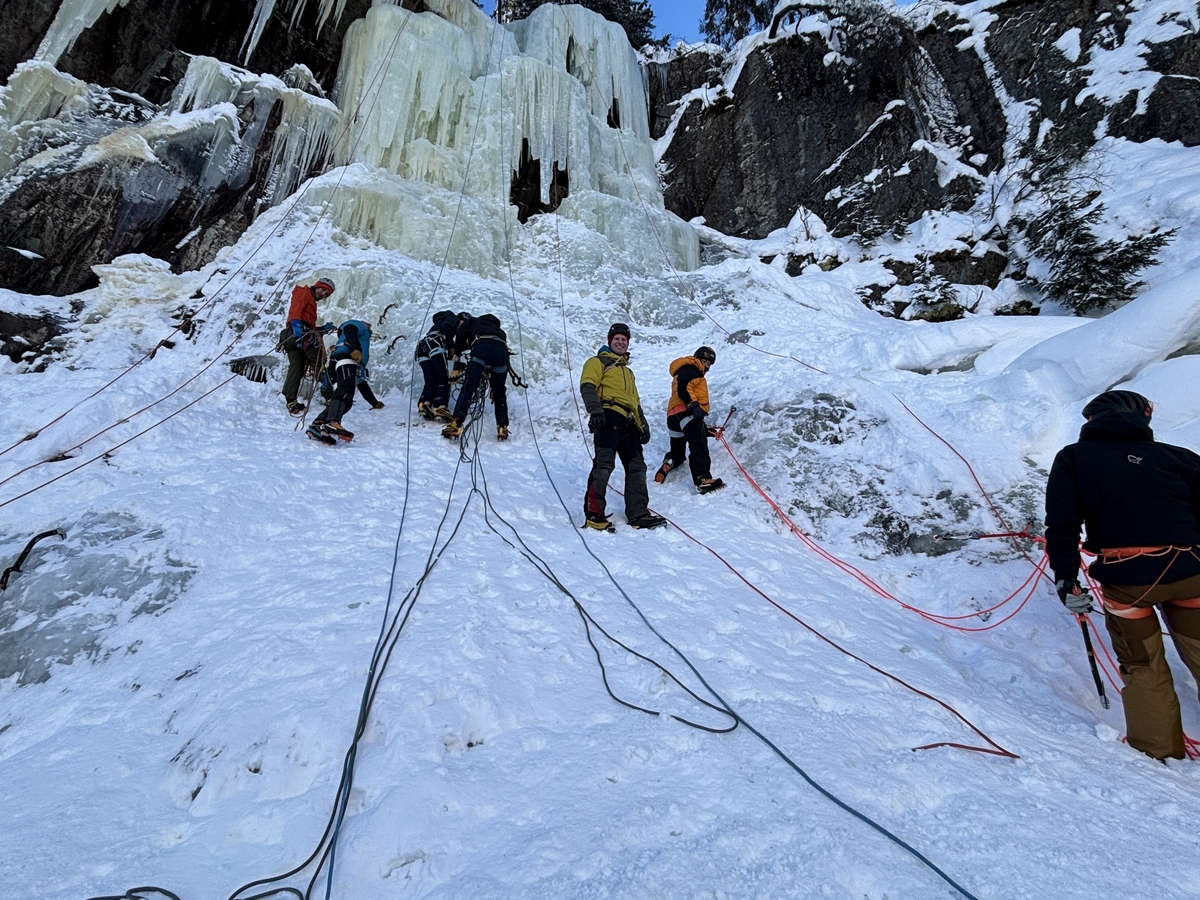
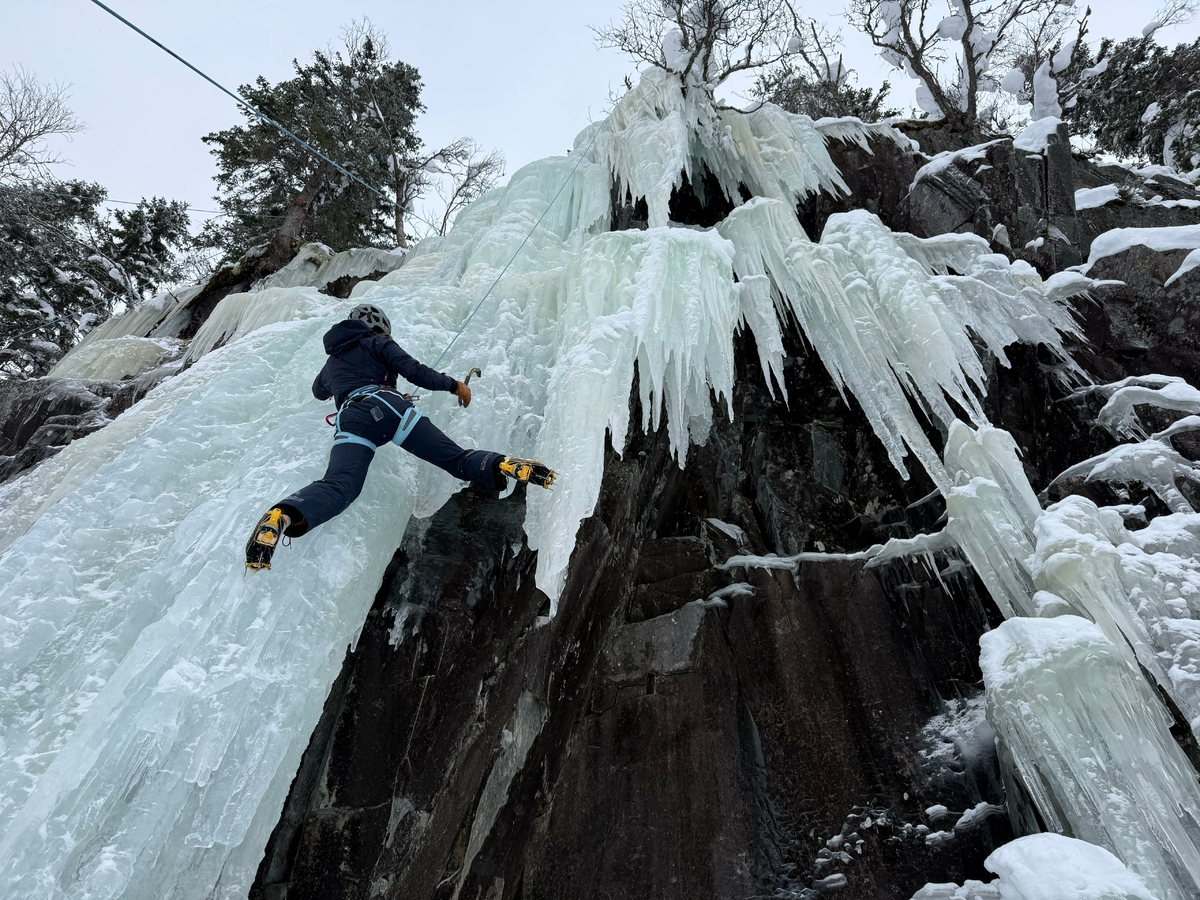
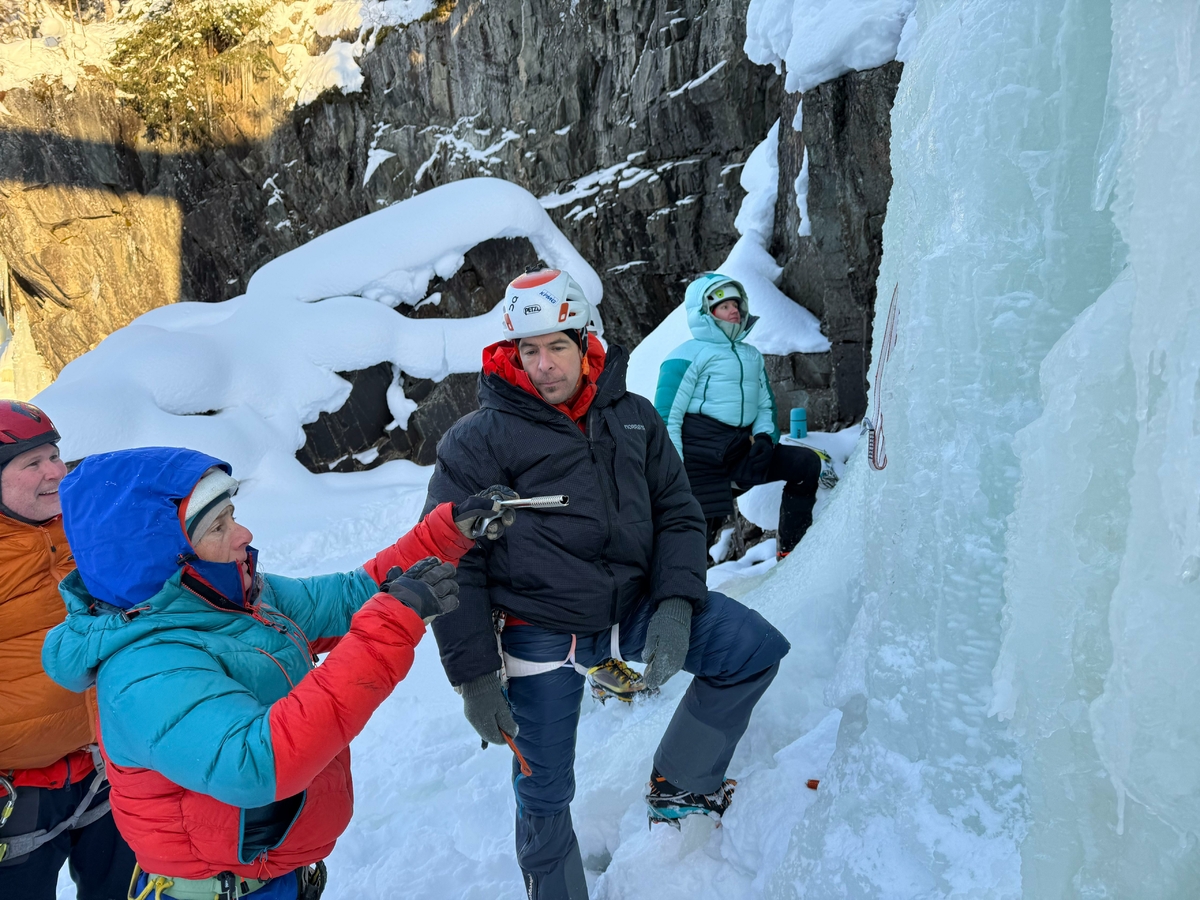
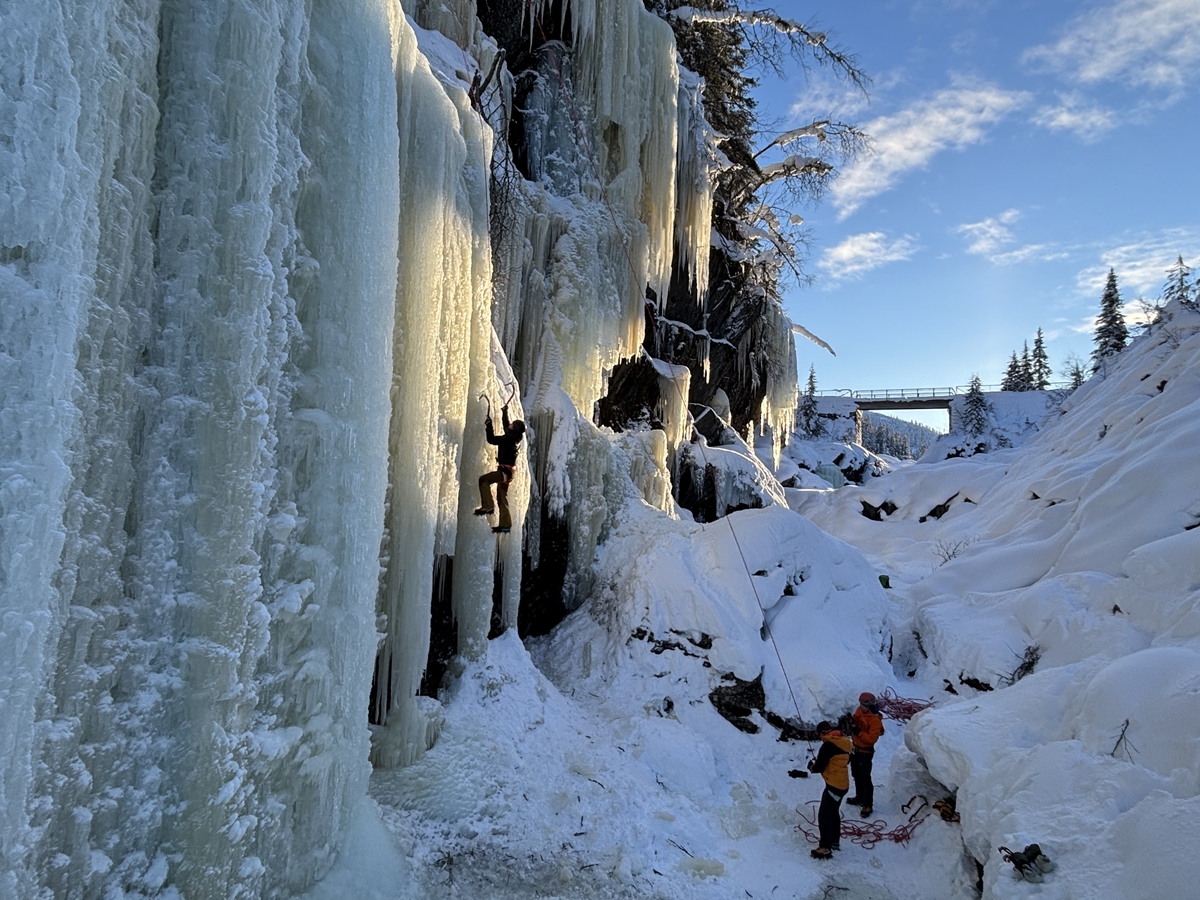
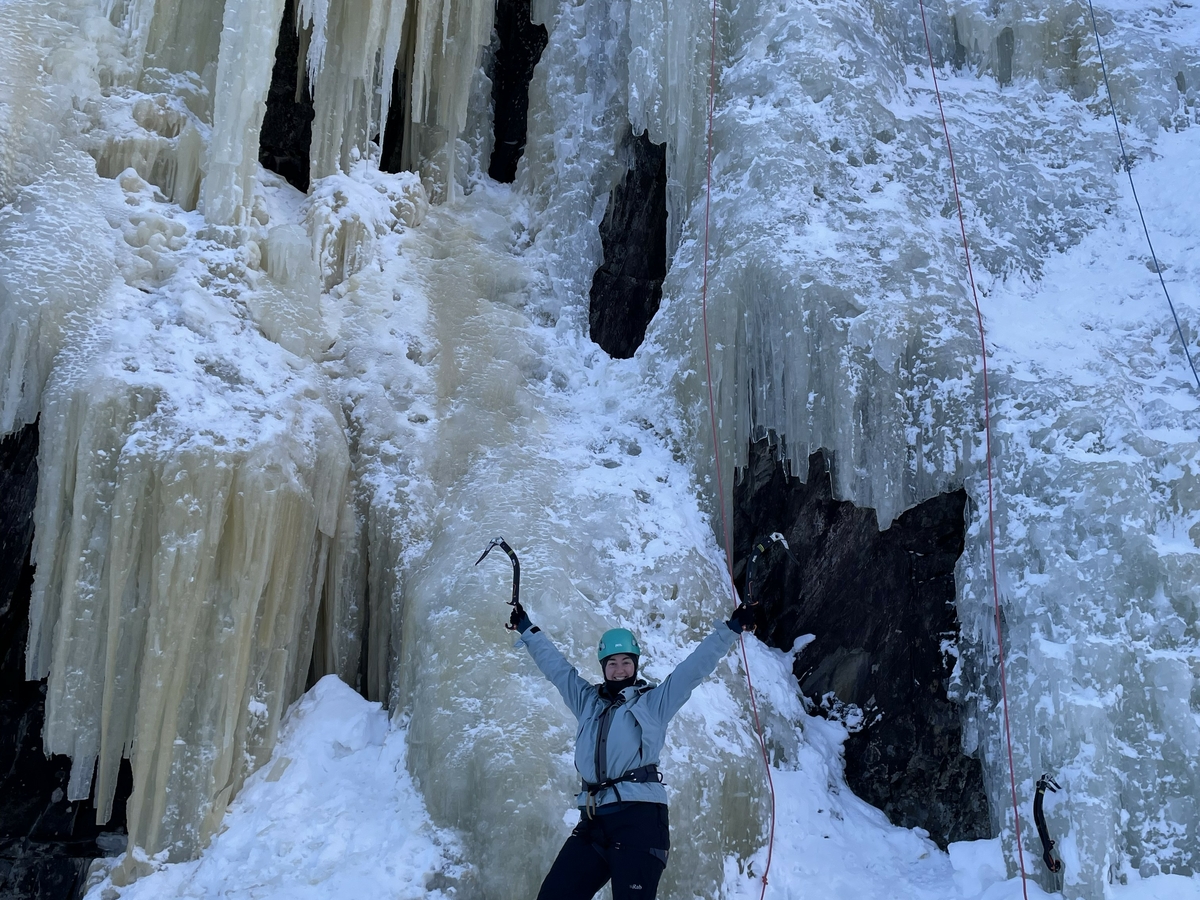
The Best Kind of Barrier Breaking: When Everyone Talks to Everyone
Climbing is at its best when the usual hierarchies dissolve quickly.
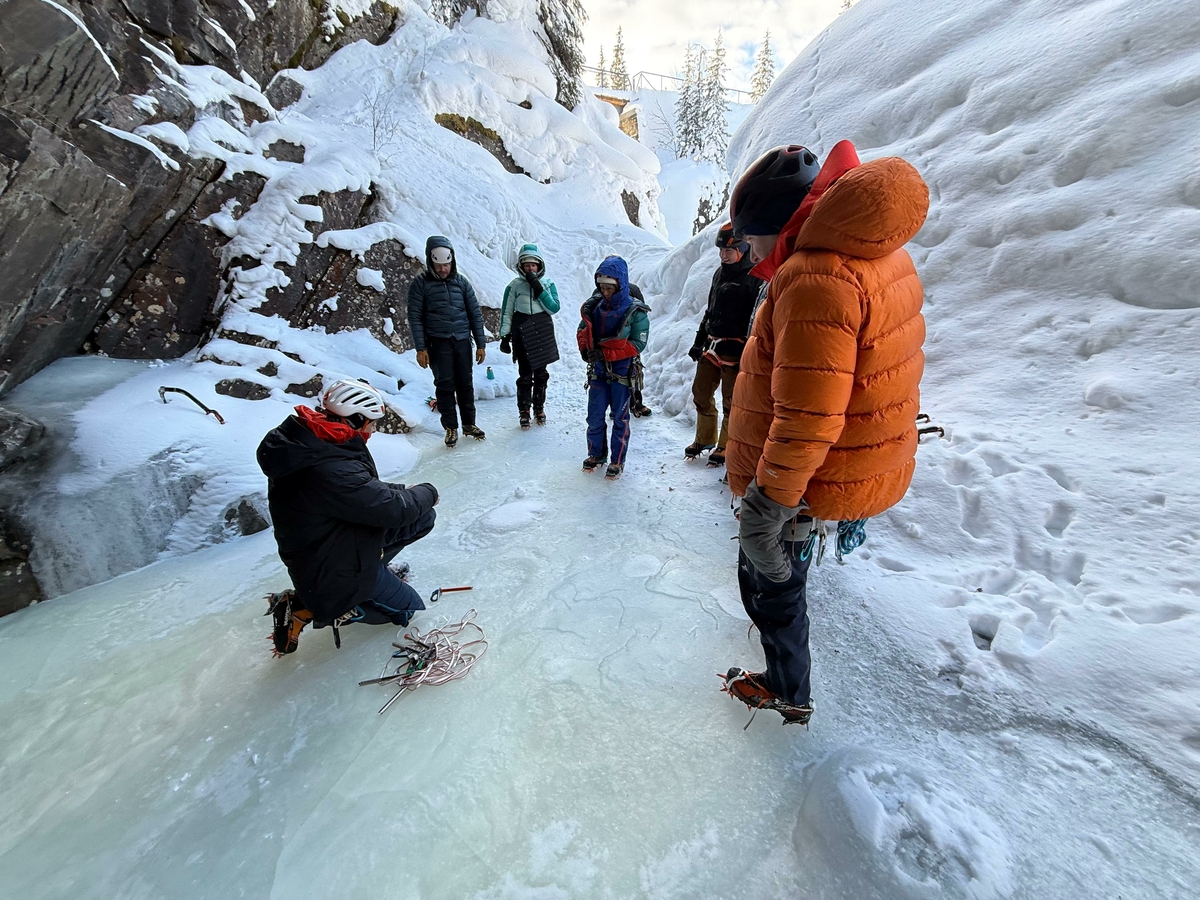
Ability still exists. Some people move with the quiet efficiency of long experience. Some people are new enough that putting on crampons feels like learning a new language, with sharp metal syllables and straps that refuse to behave. A healthy community does not turn that difference into a wall.
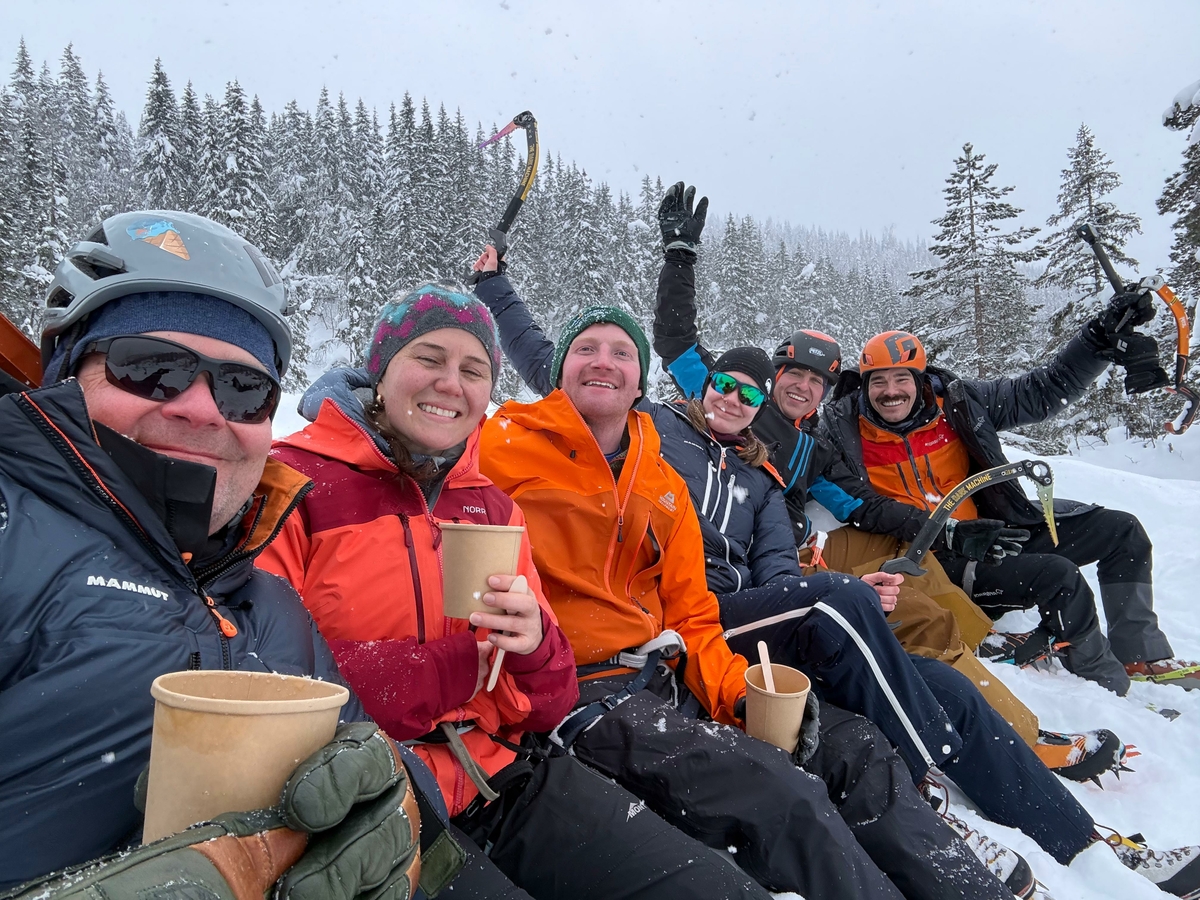
In Oslo, the mixing started immediately. Beginners and advanced climbers sat together. People talked about conditions, routes, the season, and the excitement of being back on ice. Laughter moved through the room in warm bursts. Anticipation sat on everyone’s tongues. Honesty about nerves appeared in the conversation without embarrassment.
That mixture matters. Knowledge moves when abilities mix. People improve when knowledge moves. The sport becomes safer and more sustainable when people improve.
This is how the next generation of climbers is built. Gatekeeping does not build it. Elitist attitudes that treat beginners like an inconvenience do not build it. Mentorship builds it. Generosity builds it. Shared stoke builds it, like kindling catching and spreading into a steady flame.
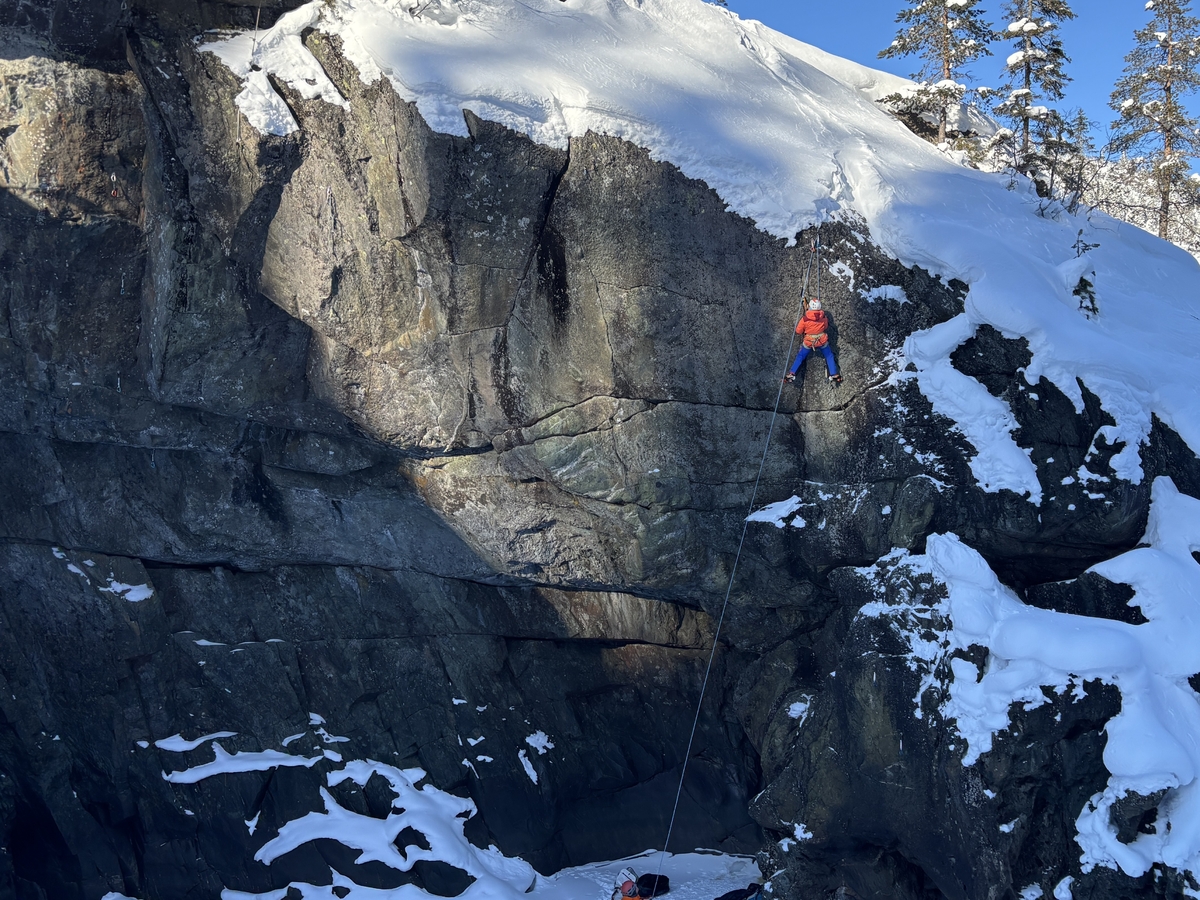
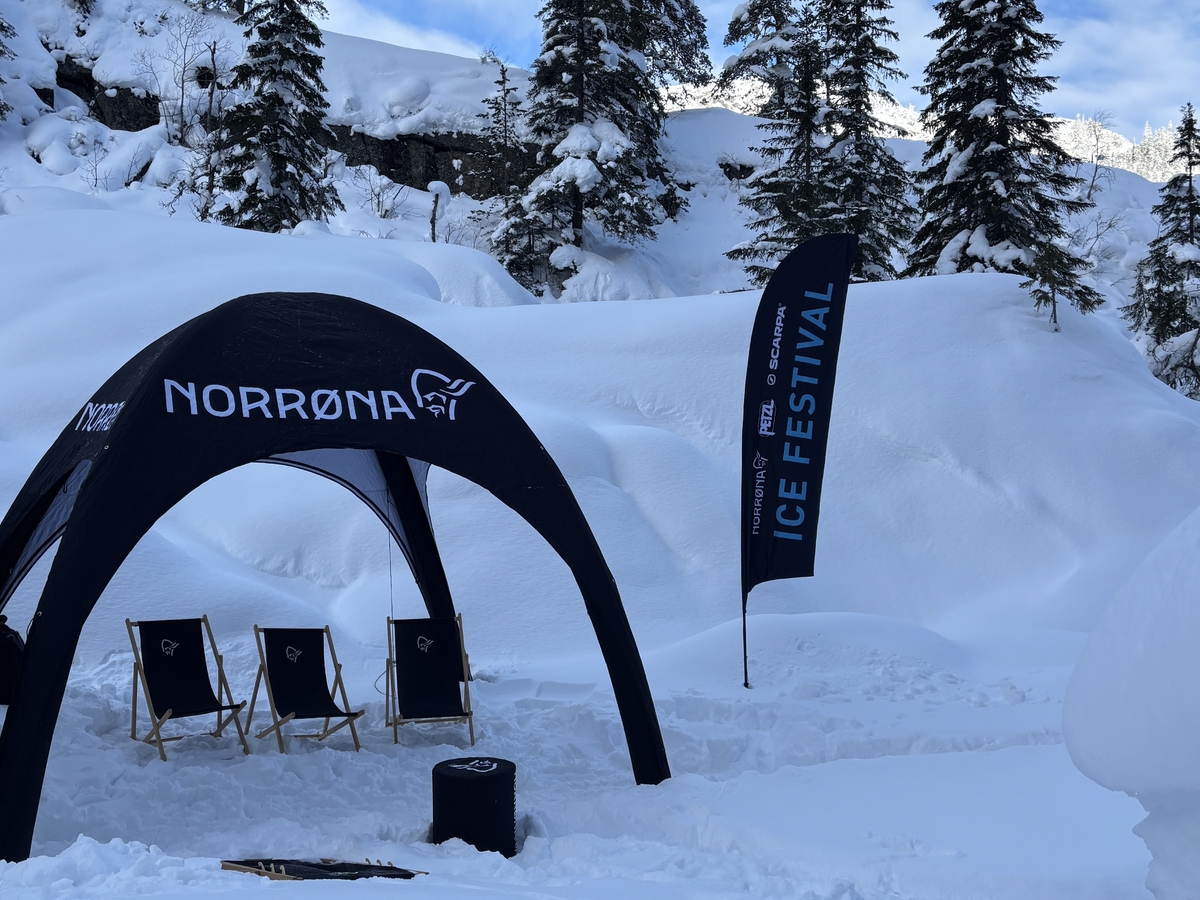
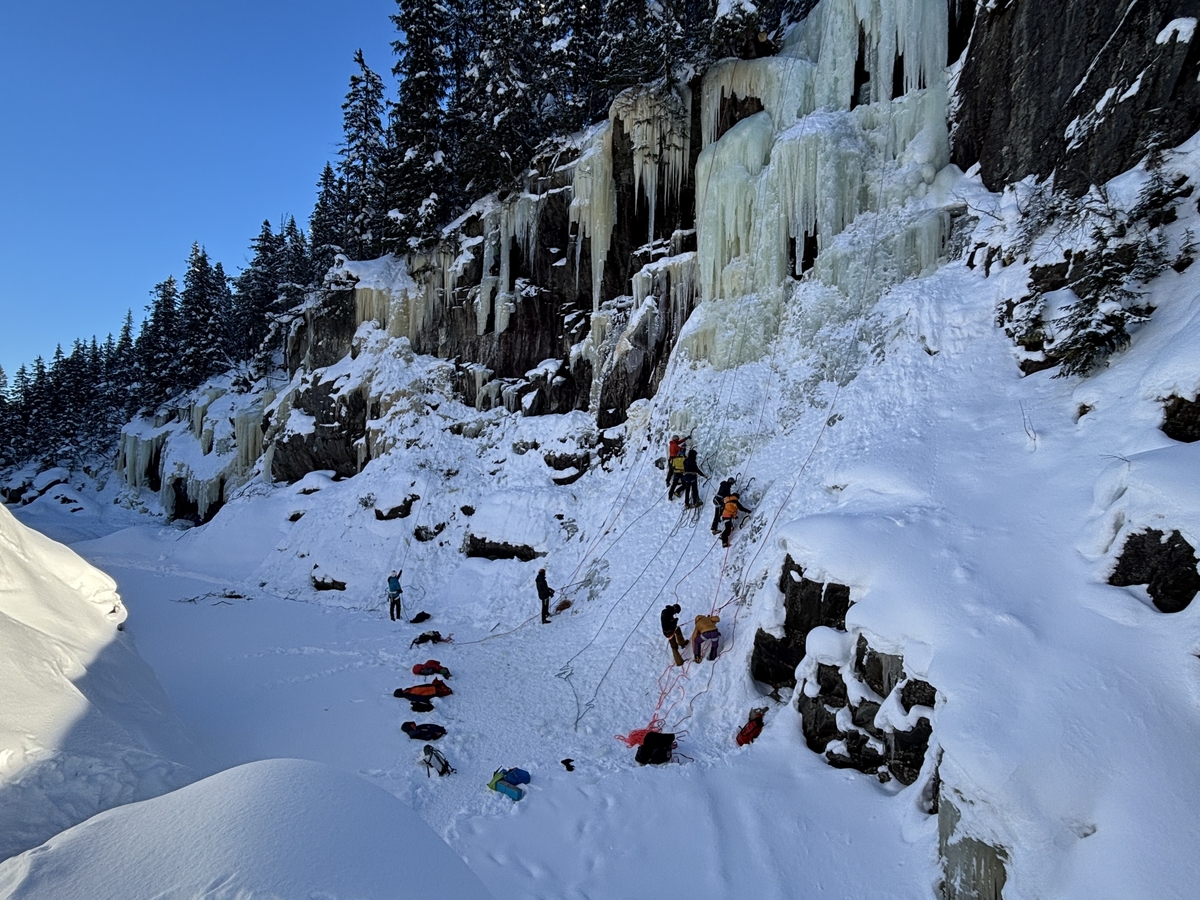
The Cold That Makes Everything Clear
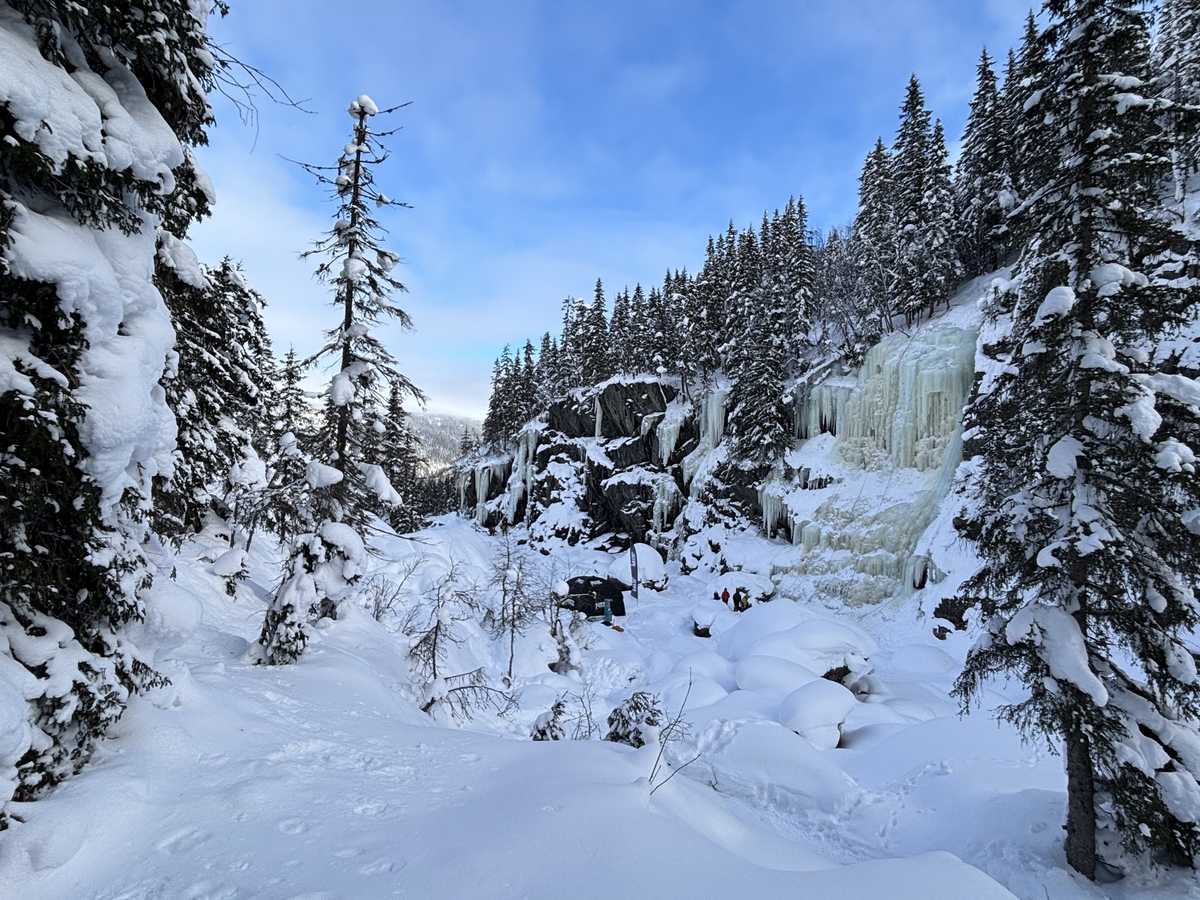
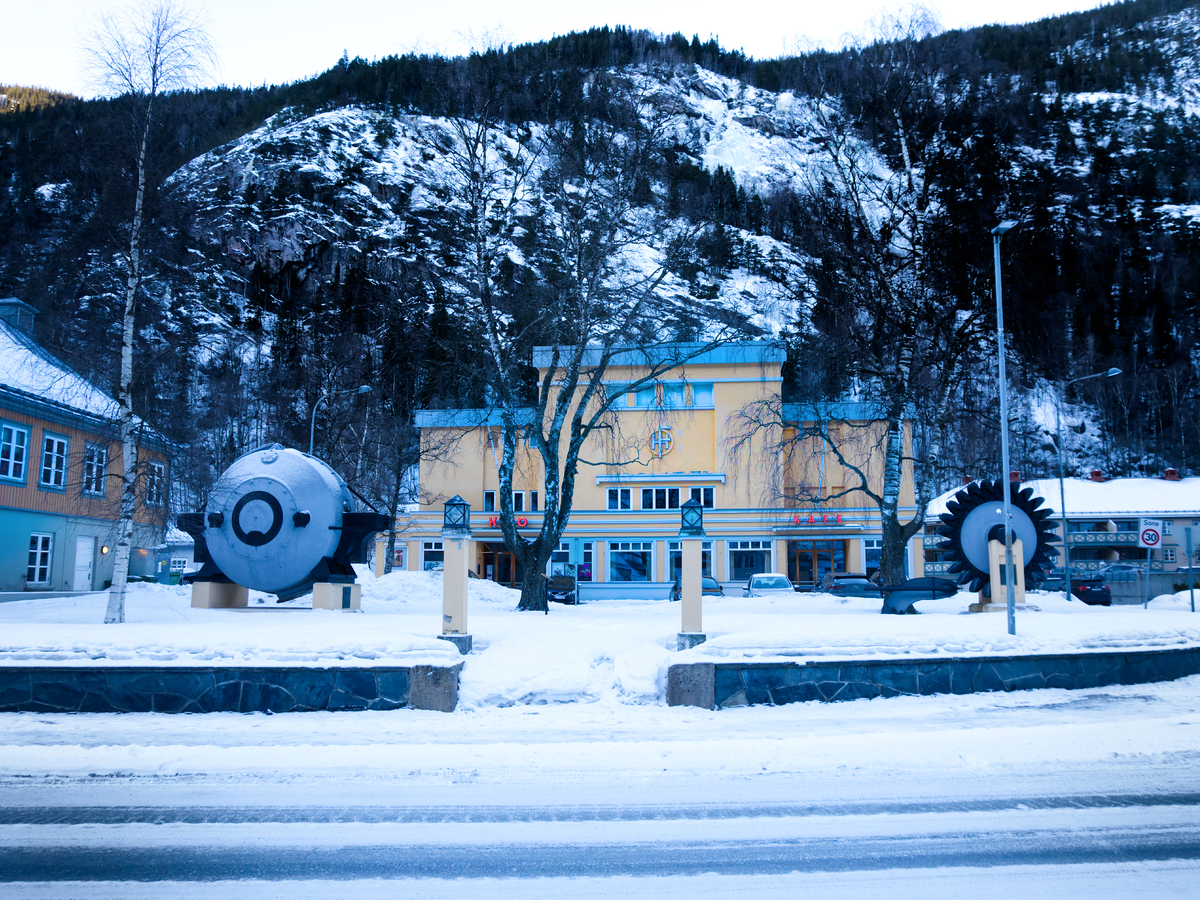
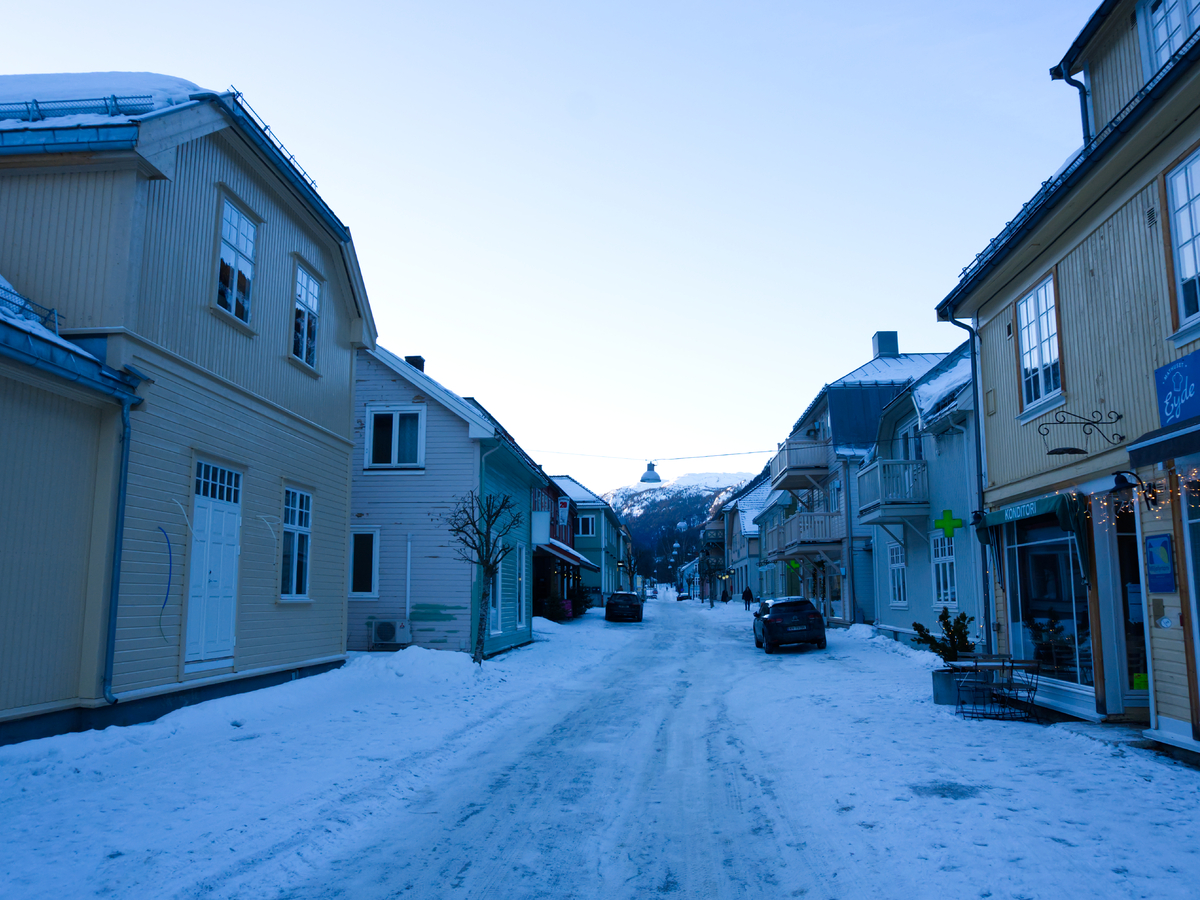
Rjukan has a way of sharpening your senses until everything feels outlined in ink.
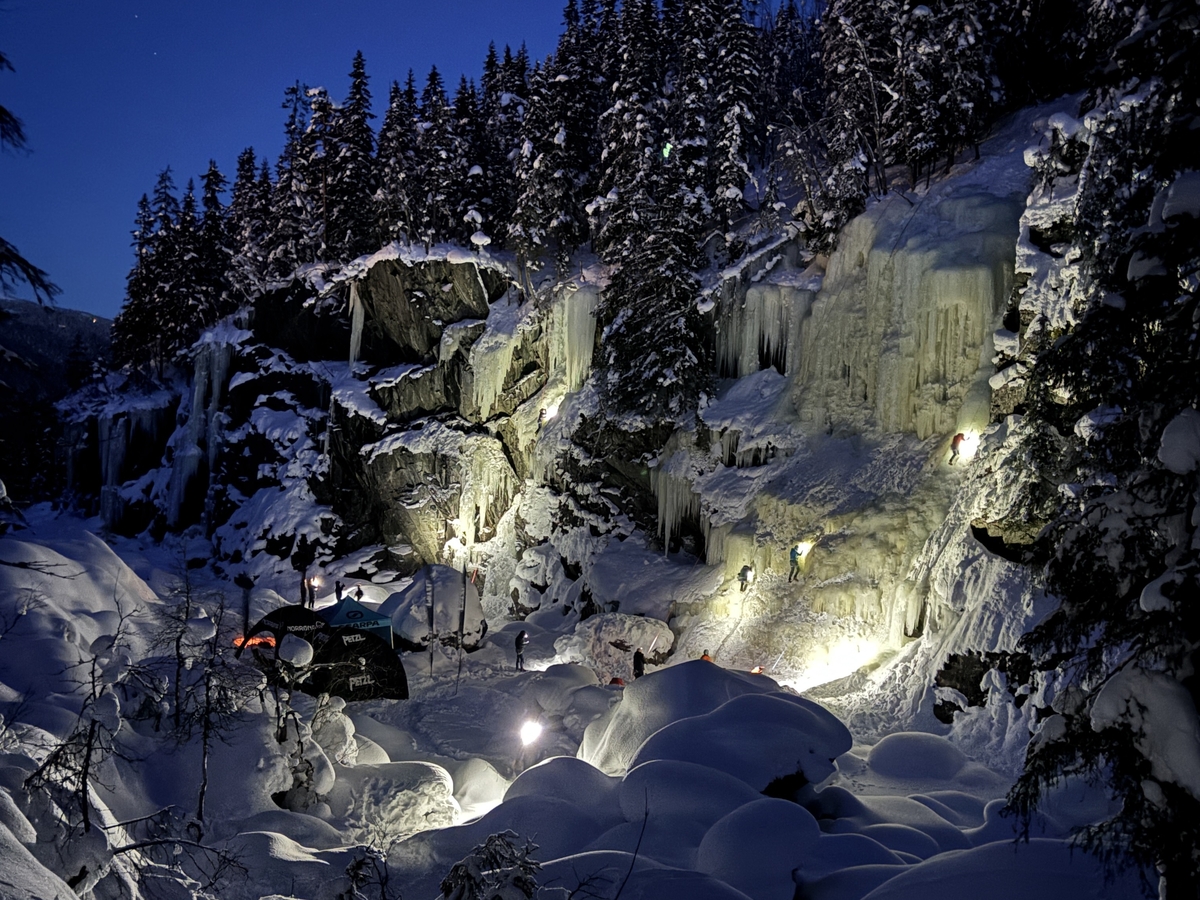
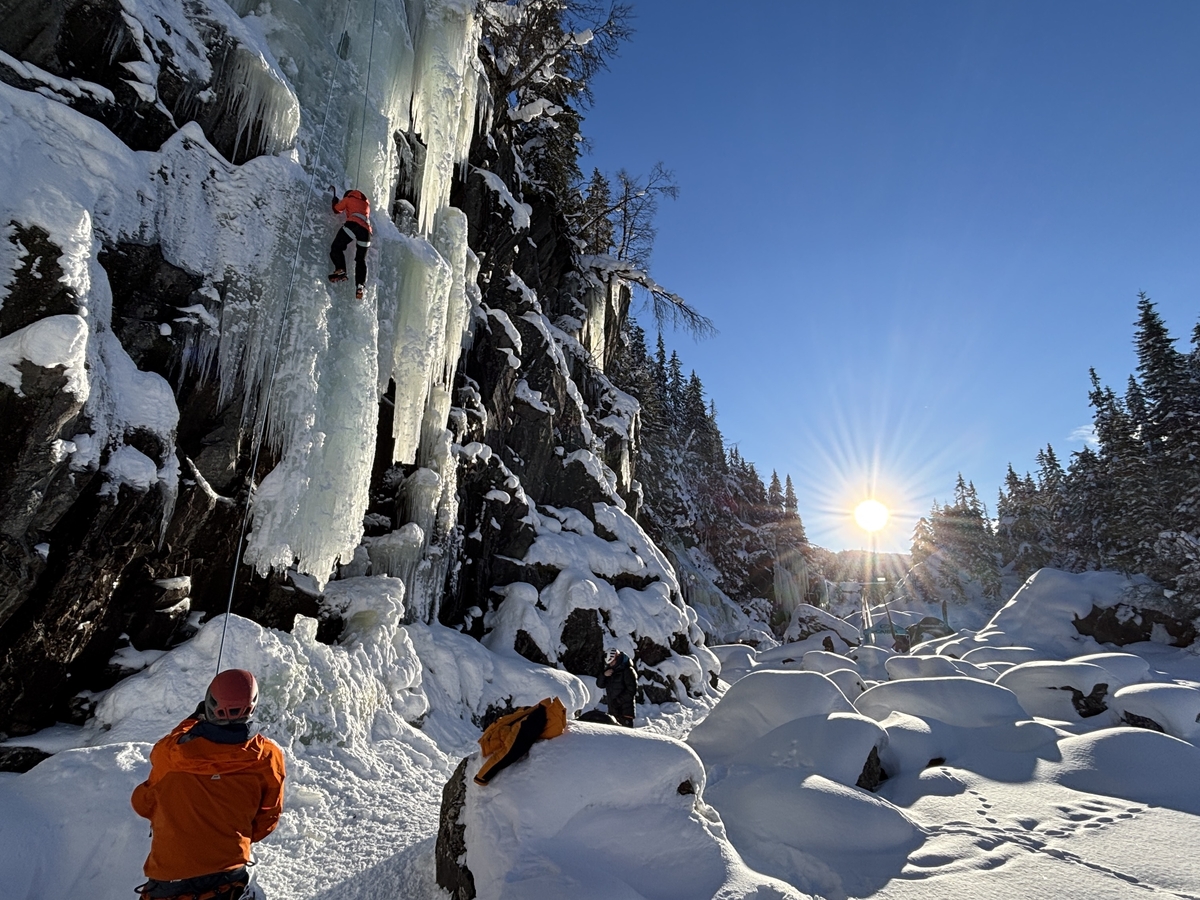
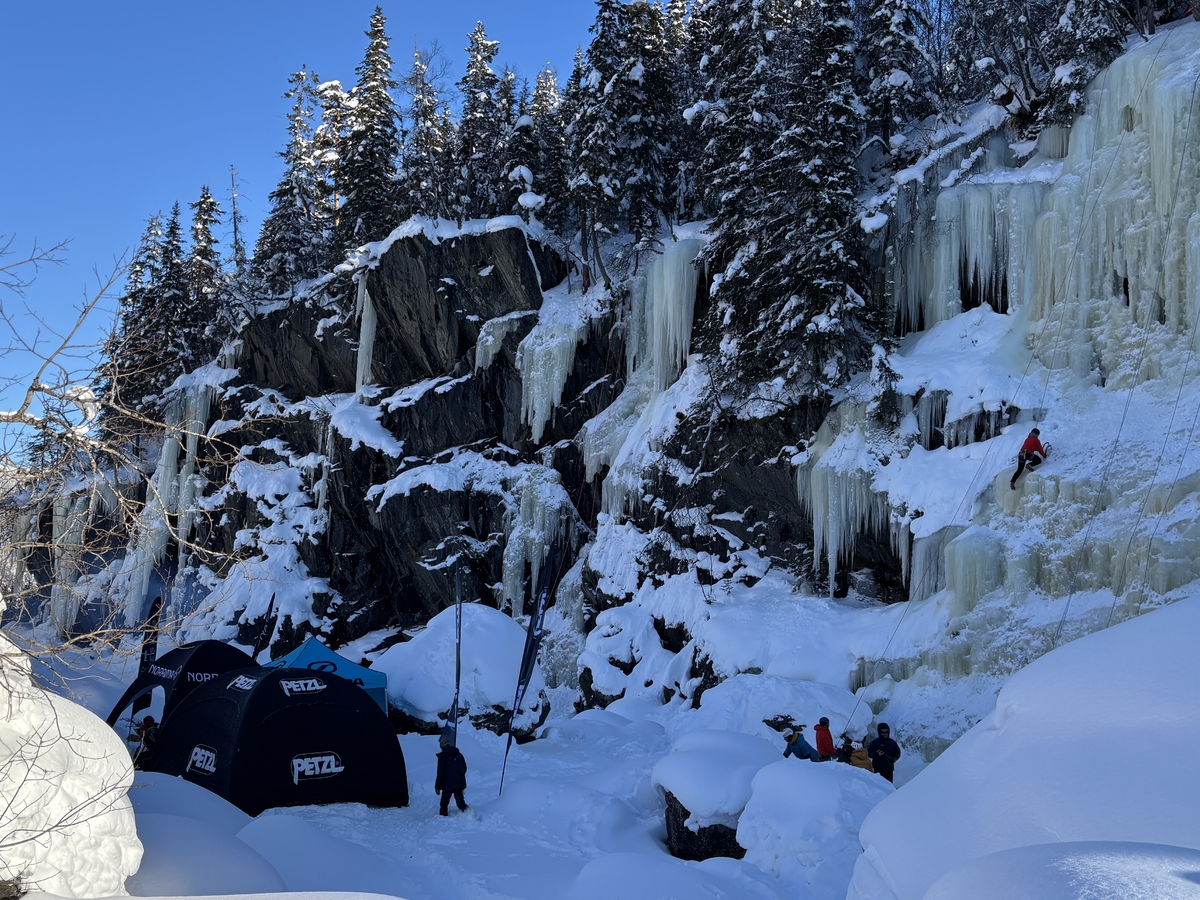
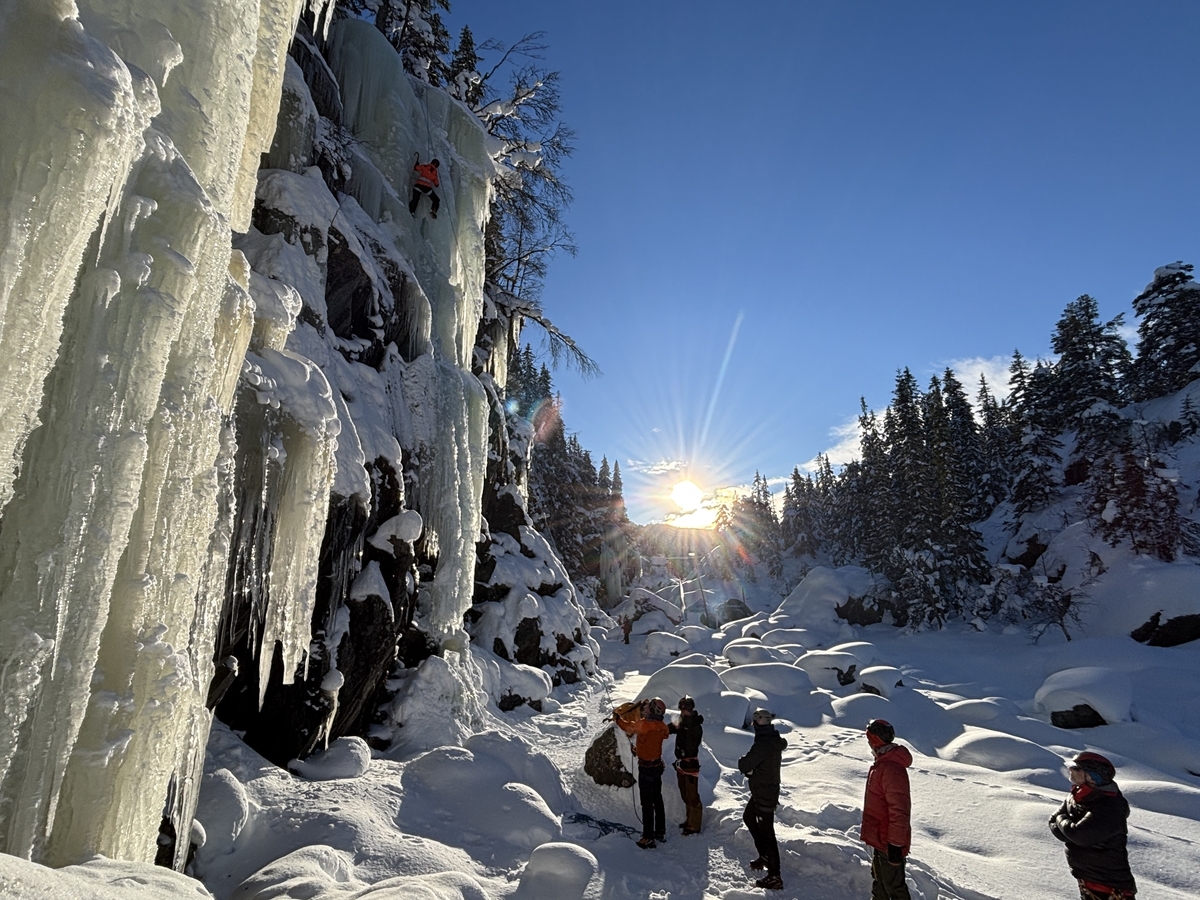
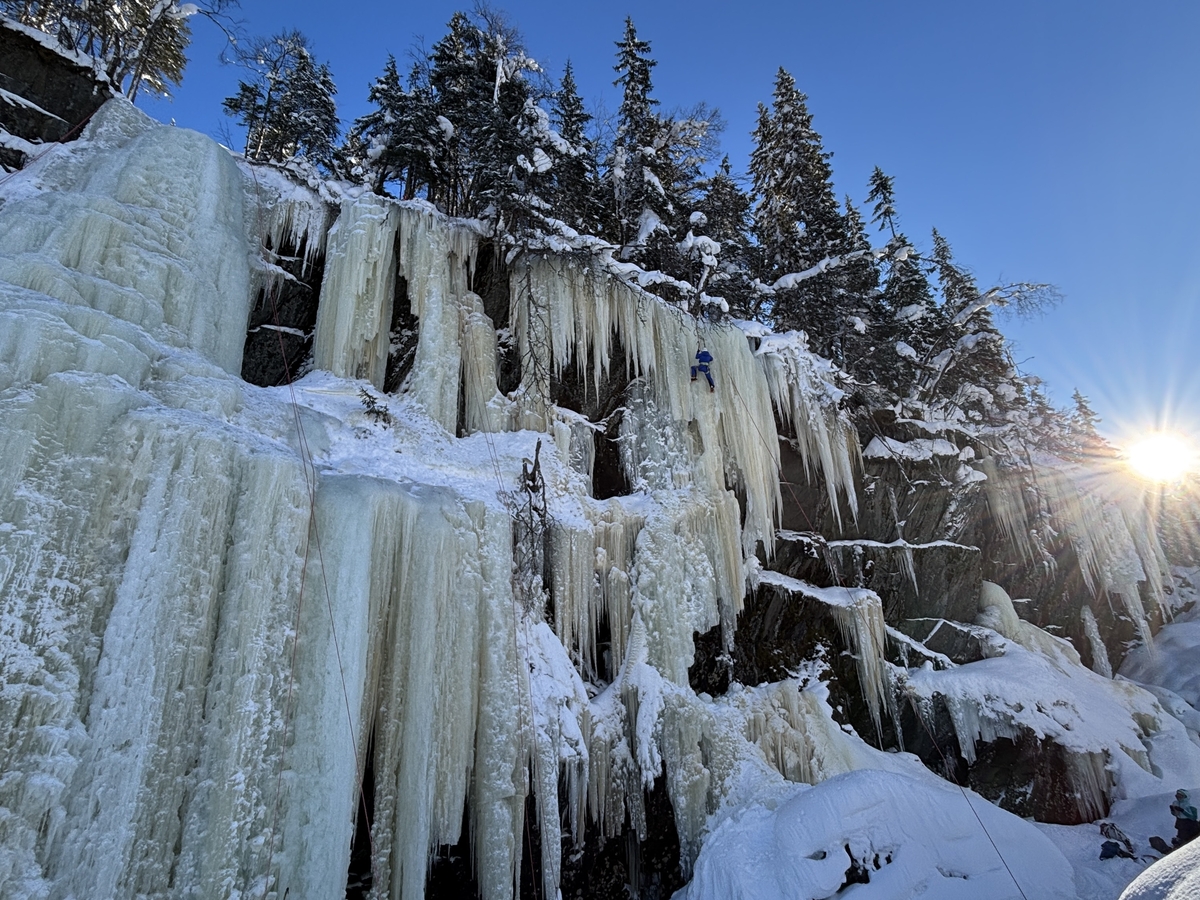
Breath becomes visible the moment it leaves your mouth. Boots squeak on hard snow, that high-pitched rubber-on-ice sound that makes you think of new trainers on a gym floor. The air feels so still it almost rings. Then the ice appears, hanging in front of you. A waterfall stands frozen mid-fall, suspended as if time has been asked to hold its breath. It looks impossible and beautiful in exactly the same way.
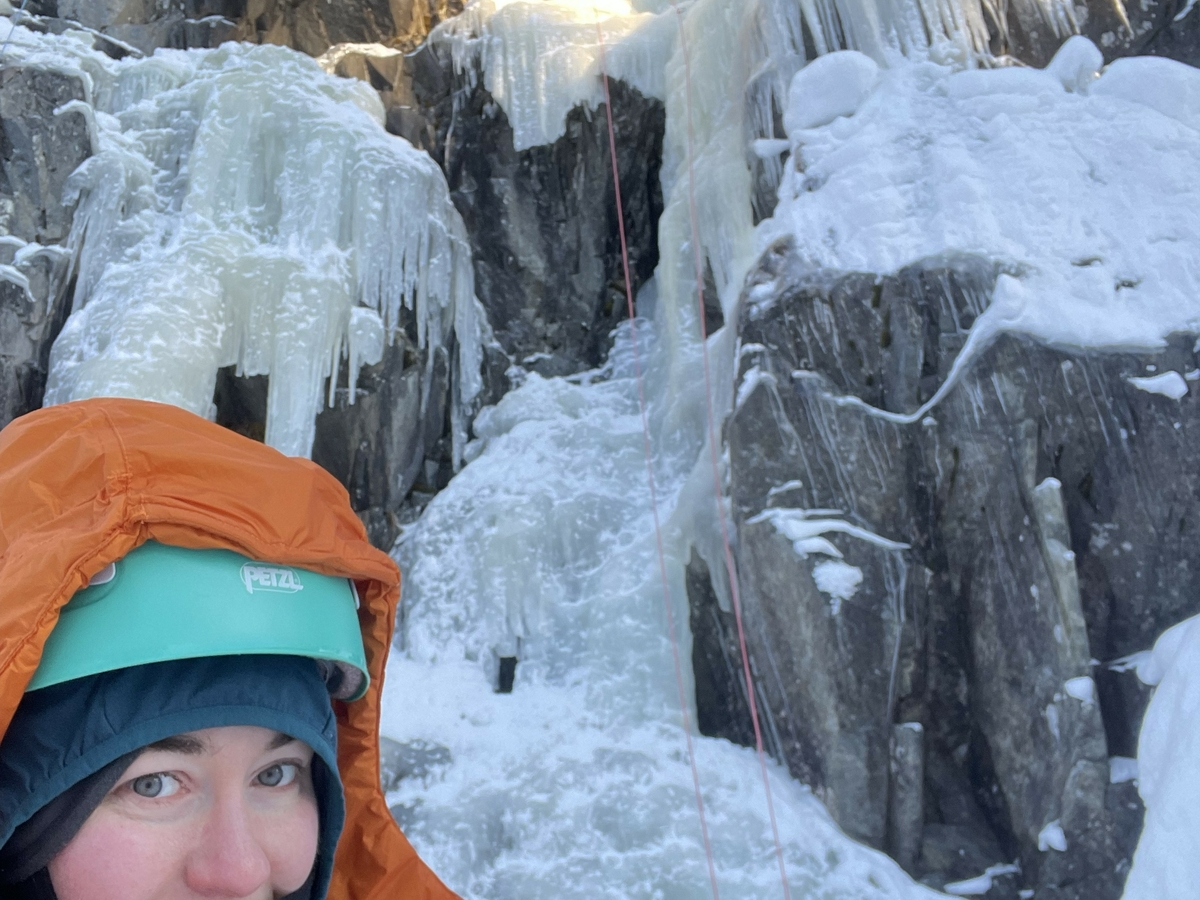
A pause always arrives for me when I stand under a line of ice. The pause is not hesitation about climbing. Respect takes that shape sometimes. Ice is alive in a way rock is not. Temperature, sun, wind, and time keep rewriting it. It demands attention. It rewards care. It punishes arrogance.
The festival group was smaller this year than the previous year, and the atmosphere shifted in the best way. The whole experience felt more intimate. Everyone had time to speak. Everyone had space to be known.
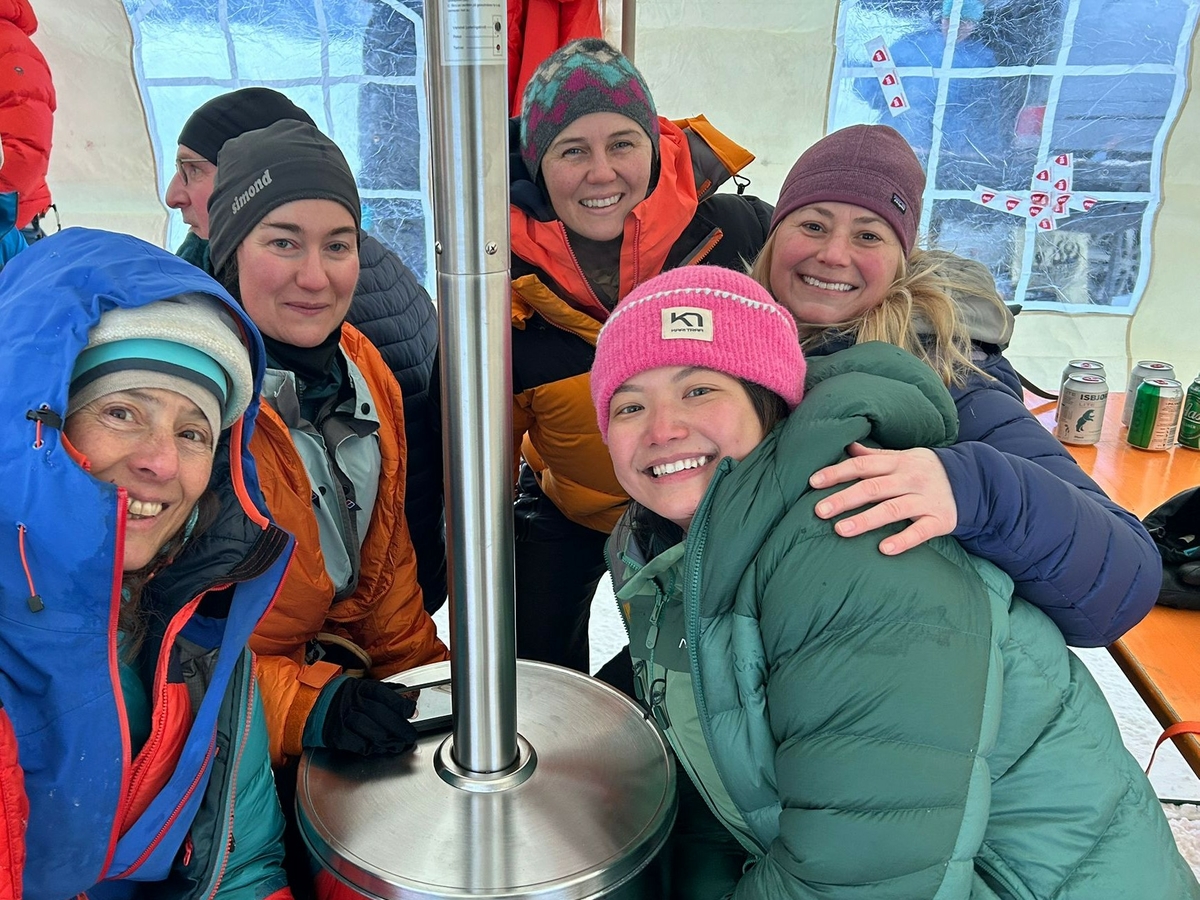
The weekend did not feel like a group of random people thrown together. It felt like friends meeting at a crag, even when many of us had only just met.
Friendships like that form through repeated small moments, not through speeches.
Someone offers a spare layer without making it a big deal.
Someone holds your tool while you adjust a glove.
Someone asks, “Do you want a belay?” as if it is the most normal thing in the world.
Many climbing spaces carry an invisible sorting system. Strong climbers drift toward strong climbers. The “serious” gather with the “serious”. Beginners orbit the edges, quiet and grateful, trying not to take up space, trying not to ask “stupid questions”, trying not to get in the way.
That sorting did not take hold here.
Beginners and advanced climbers mingled despite different abilities and goals. The change was immediate. Pressure eased. Learning became softer around the edges. Questions could be asked without bracing for judgement.
- Sarah