
Day 1:Departure
We depart from Oslo during the day and fly together to Islamabad.
We depart from Oslo during the day and fly together to Islamabad.
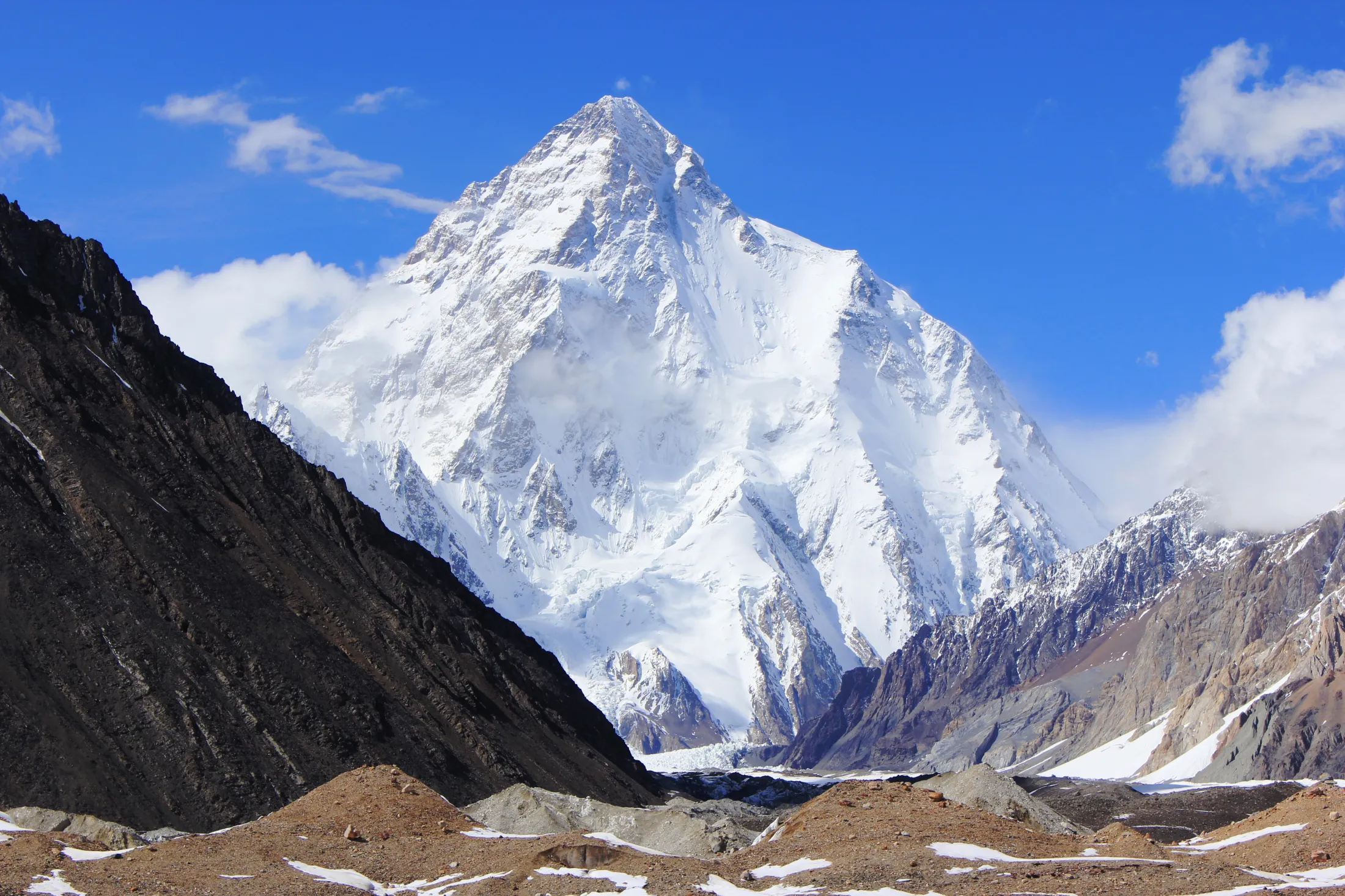
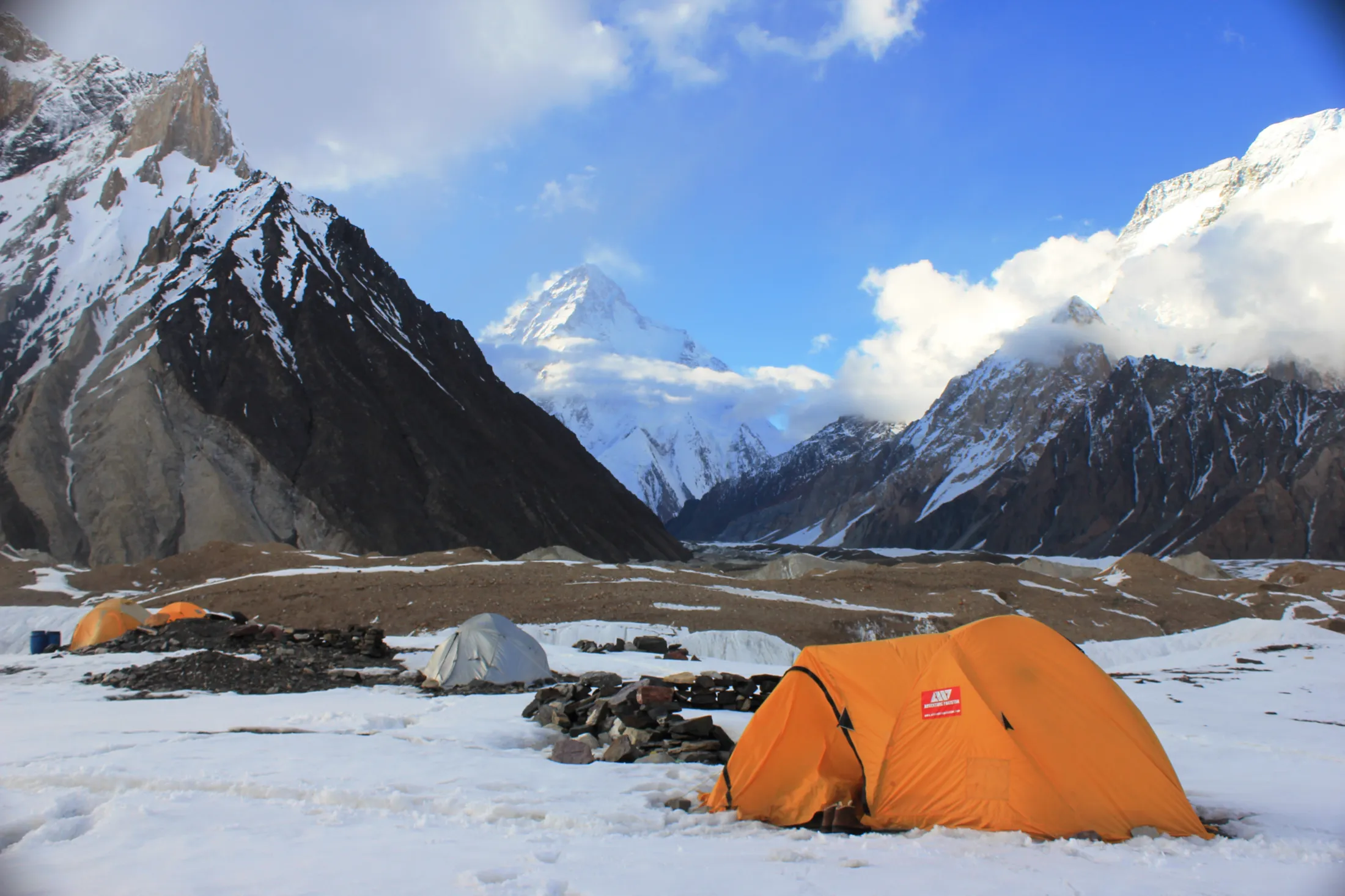
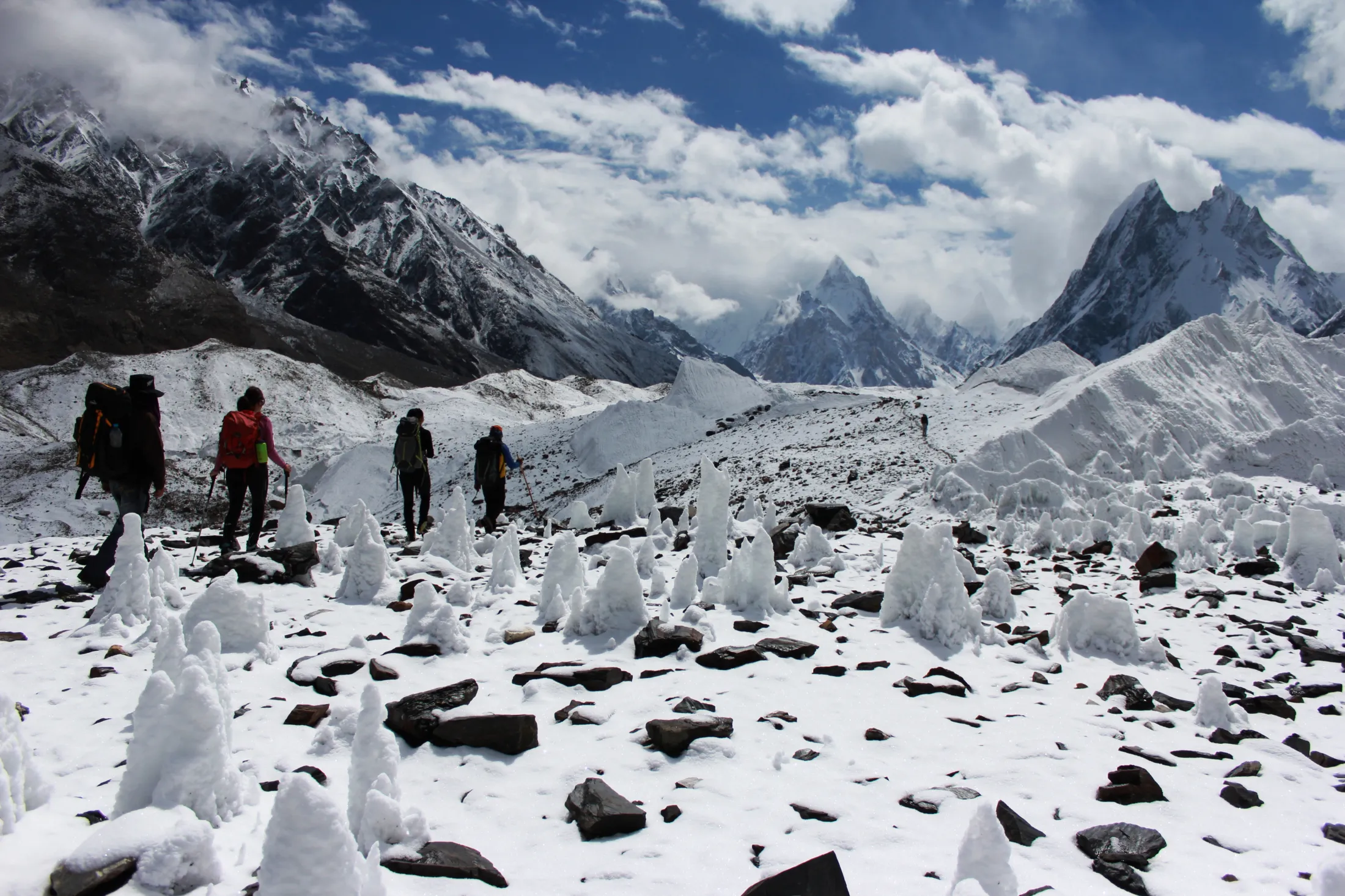
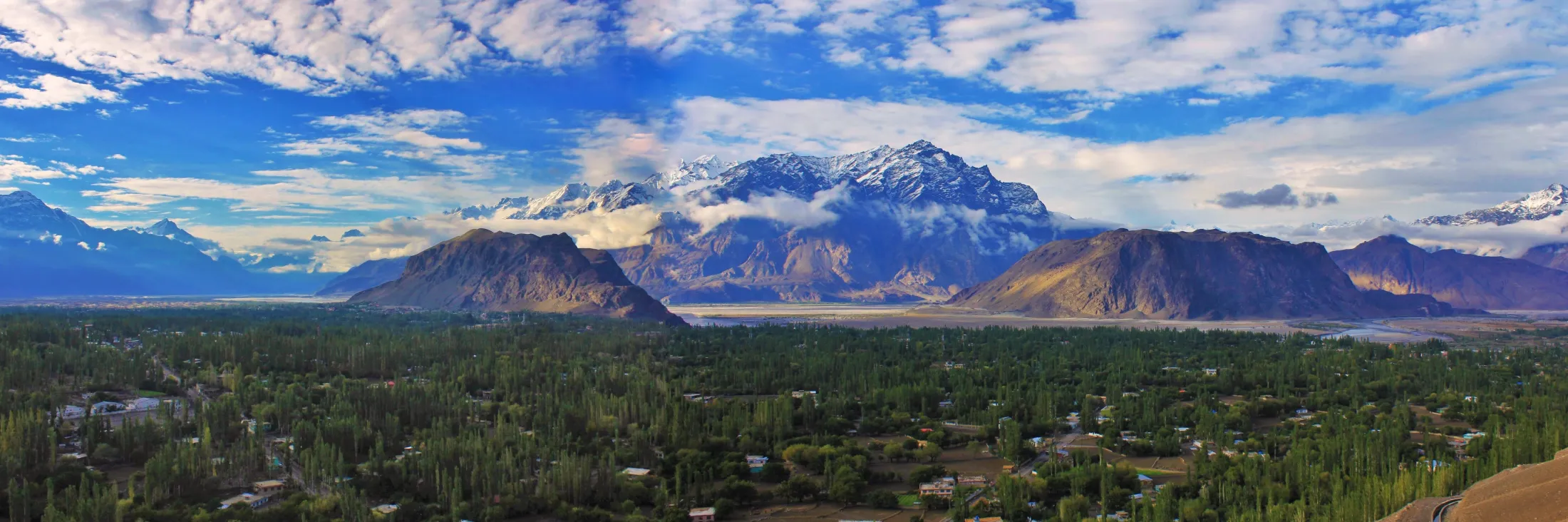
The spectacular Karakoram Mountains in Pakistan offer some of the wildest landscapes in the world. Here you’ll find fewer tourists and mountains just as beautiful as those in Nepal. This is simply a magnificent and exciting mountain trek with many highlights.
We’ll start in bustling Islamabad to get a taste of the vibrant street life. The city boasts both beautiful scenery and stunning traditional buildings. We’ll fly on to Skardu, where we’ll acclimatize for a couple of days before the actual mountain trek begins. During the trek, we’ll acclimatize well as we move at a slow pace higher and higher.
On the trek, we’ll stay in comfortable tents and be served delicious meals along the way. We’ll see both massive glaciers and spectacular mountains - in fact, some of the highest in the world - during the trek. At K2 Base Camp, we’ll get a taste of expedition life, and when we cross the Ghondogoro Pass, we’ll really feel the altitude. We’ll wrap up the trip with sightseeing and cultural experiences in Islamabad. This is an exciting and diverse trip!
Thu 10. June - Thu 01. July 2027
Flight included
Plan it your way
Want this trip just for your group? Or got something different in mind? We've got you.
We depart from Oslo during the day and fly together to Islamabad.
We depart from Oslo during the day and fly together to Islamabad.
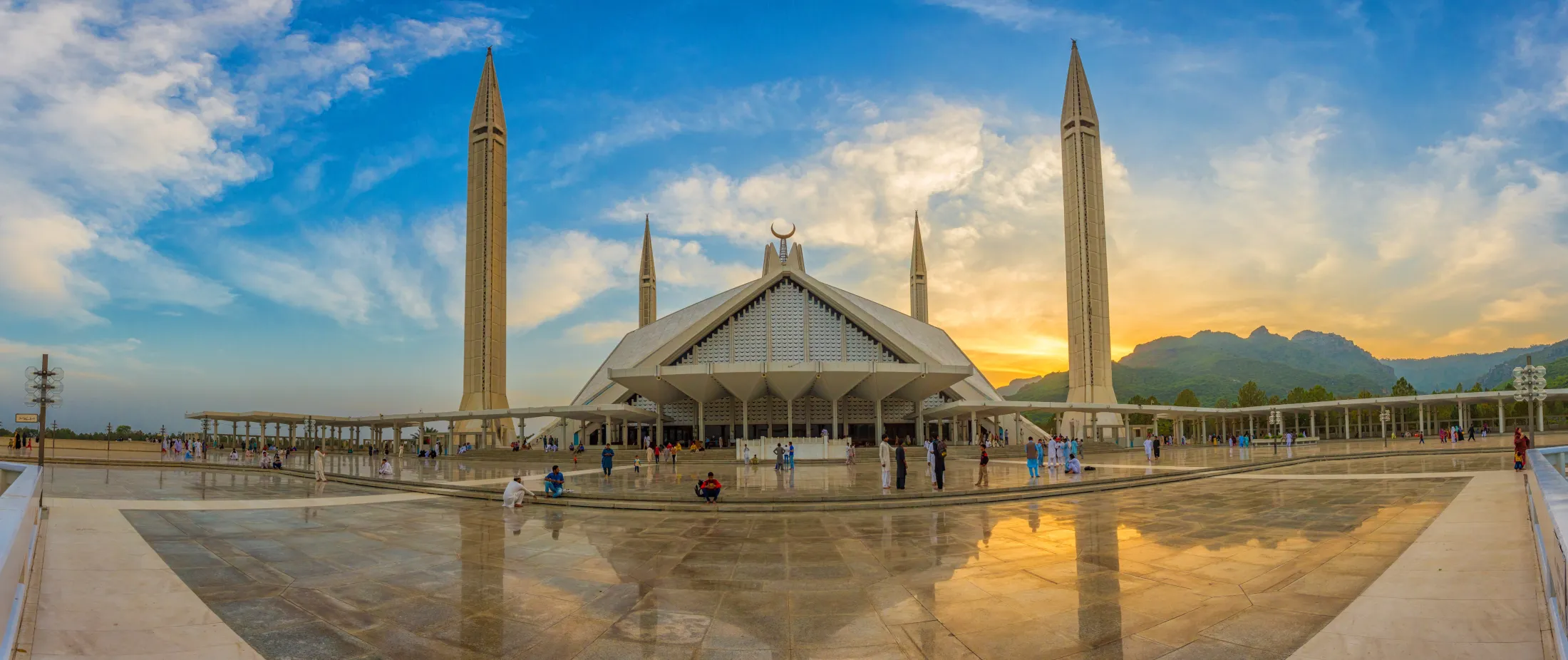
After a long flight, we arrive in the capital, Islamabad, in the morning. Here we recommend having a light breakfast before flying on to the mountain town of Skardu (weather permitting), where we can relax and rest after a long journey. We will stay in Skardu for 4 nights to recover from the travel, handle logistics, and acclimatize before the mountain trip. If the weather does not make it possible to fly to Skardu today, we will spend the night in Islamabad and either fly or start the drive toward Chilas, on the way to Skardu, the following day.
After a long flight, we arrive in the capital, Islamabad, in the morning. Here we recommend having a light breakfast before flying on to the mountain town of Skardu (weather permitting), where we can relax and rest after a long journey. We will stay in Skardu for 4 nights to recover from the travel, handle logistics, and acclimatize before the mountain trip. If the weather does not make it possible to fly to Skardu today, we will spend the night in Islamabad and either fly or start the drive toward Chilas, on the way to Skardu, the following day.
Skardu is located at 2500 m, and acclimatization begins right here. The town is a famous gateway to the surrounding 8000-meter peaks in the Karakoram mountain range. The Indus River flowing through the region separates Karakoram from the Ladakh area. We will use these days for acclimatization in Skardu. We will prepare for the mountain trip and visit the tourist office for a briefing before the trip. We can also take a trip to the Skardu bazaar, see Sadpara Lake, Kharpocho Fort, the Cold Desert, and Katpana Lake. Dinner at the guesthouse in the evenings. If the weather does not cooperate, we will have to drive from Islamabad to Chilas on day 3, with an overnight stay in Chilas. The drive to Chilas takes 5–6 hours. On day 4, we would then drive from Chilas to Skardu, which takes 6–7 hours with lunch along the way in Staq.
Skardu is located at 2500 m, and acclimatization begins right here. The town is a famous gateway to the surrounding 8000-meter peaks in the Karakoram mountain range. The Indus River flowing through the region separates Karakoram from the Ladakh area. We will use these days for acclimatization in Skardu. We will prepare for the mountain trip and visit the tourist office for a briefing before the trip. We can also take a trip to the Skardu bazaar, see Sadpara Lake, Kharpocho Fort, the Cold Desert, and Katpana Lake. Dinner at the guesthouse in the evenings. If the weather does not cooperate, we will have to drive from Islamabad to Chilas on day 3, with an overnight stay in Chilas. The drive to Chilas takes 5–6 hours. On day 4, we would then drive from Chilas to Skardu, which takes 6–7 hours with lunch along the way in Staq.
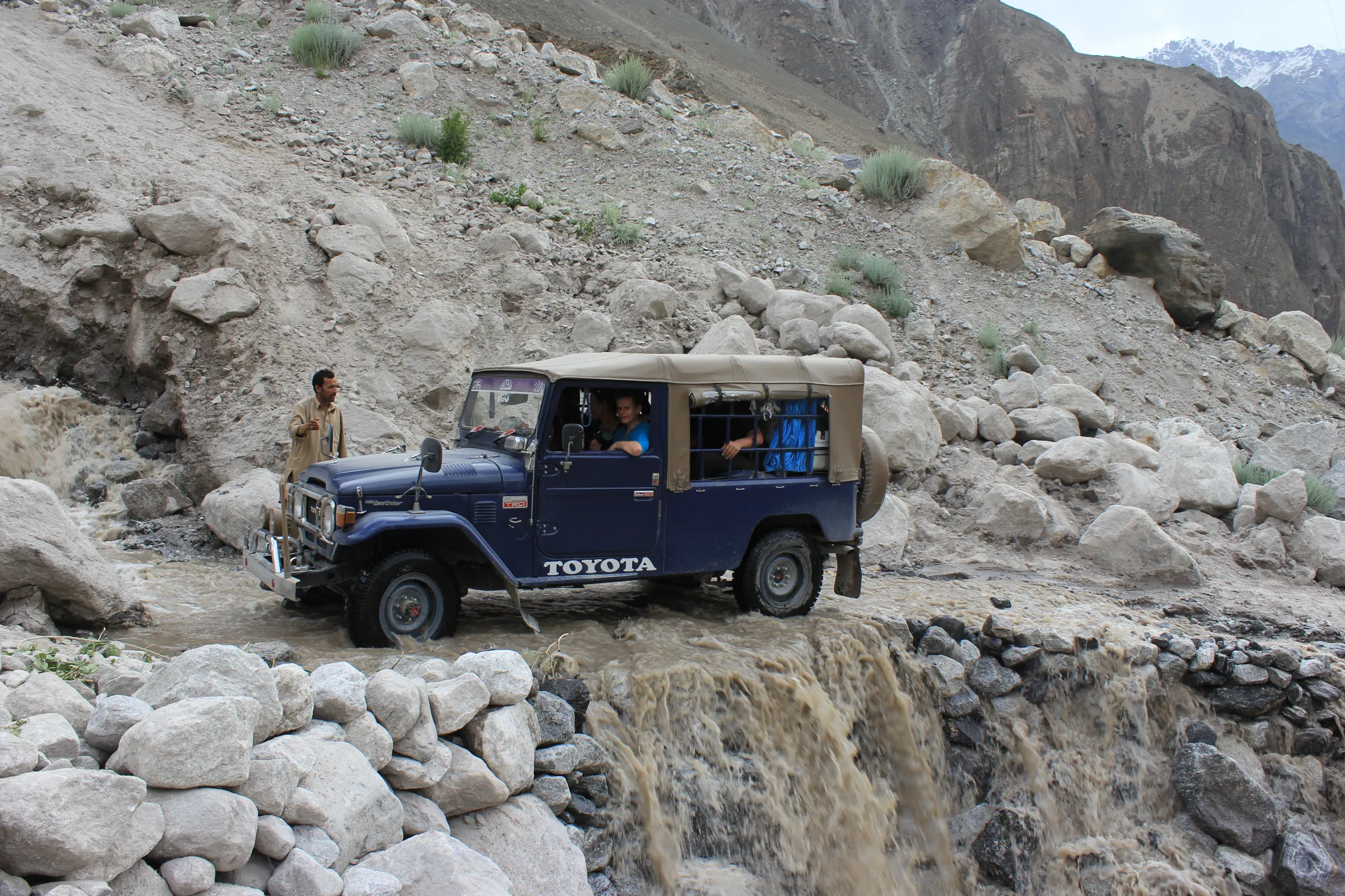
We eat breakfast and get ready for a jeep drive toward Askole. Along the way, we stop for lunch at Apo Ali Gon, a village along the Braldu River. When we arrive at camp at 3000 m, the air starts to feel thinner, and we move slower than usual to avoid headaches. In the evening, we have a nice group dinner in camp - finally, we are properly on our trip.
We eat breakfast and get ready for a jeep drive toward Askole. Along the way, we stop for lunch at Apo Ali Gon, a village along the Braldu River. When we arrive at camp at 3000 m, the air starts to feel thinner, and we move slower than usual to avoid headaches. In the evening, we have a nice group dinner in camp - finally, we are properly on our trip.
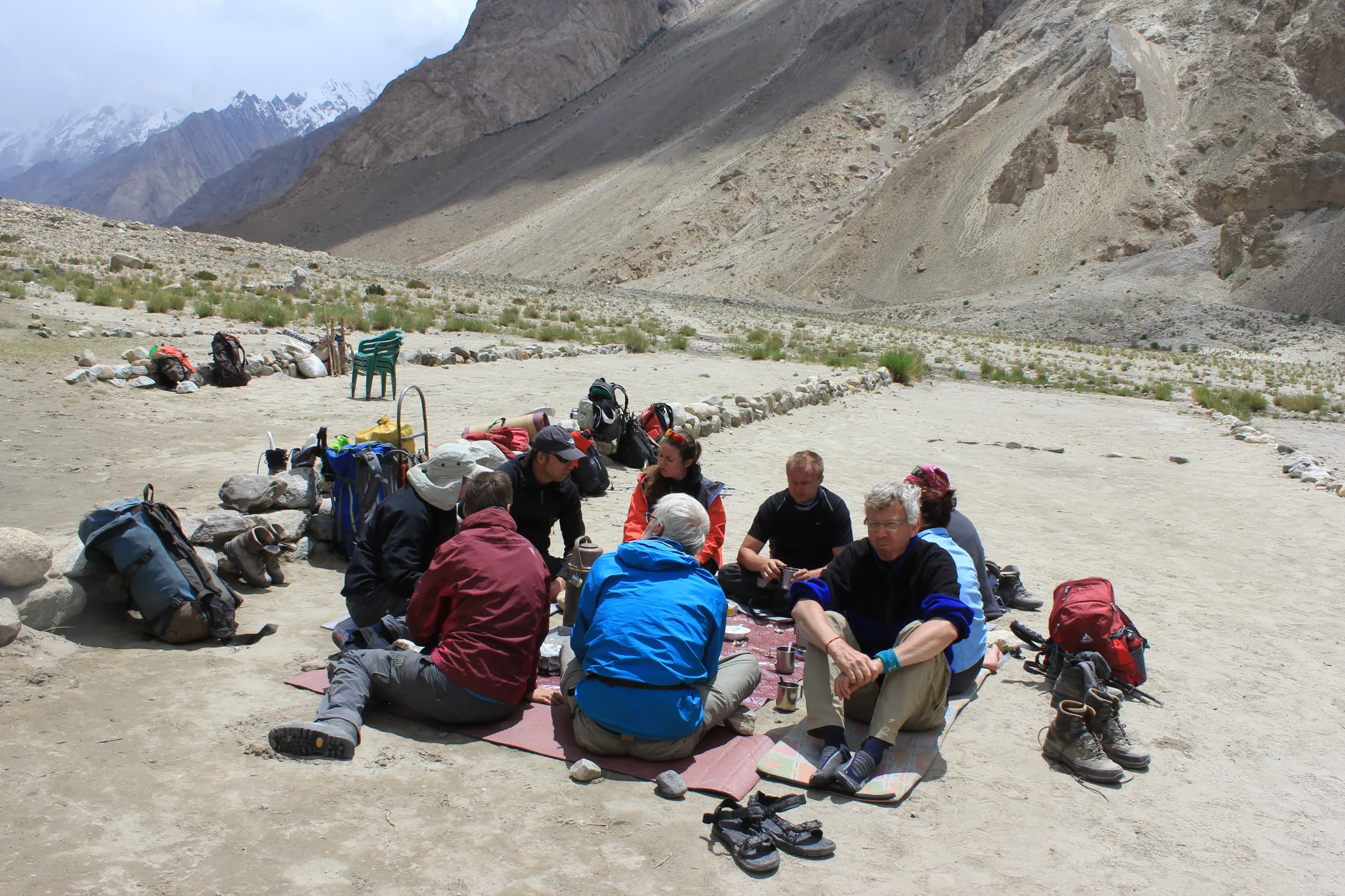
Today the mountain trip begins! We start with a good breakfast in camp before packing our daypacks and setting off on the trip toward Jhola. On the way here, we cross the Biafo Glacier, a glacier that is nearly 60 km long. We eat lunch along the way at Korefong camp before continuing toward our campsite for the night. Dinner in camp by the river in the evening, and recharging for a new mountain trip the next day.
Today the mountain trip begins! We start with a good breakfast in camp before packing our daypacks and setting off on the trip toward Jhola. On the way here, we cross the Biafo Glacier, a glacier that is nearly 60 km long. We eat lunch along the way at Korefong camp before continuing toward our campsite for the night. Dinner in camp by the river in the evening, and recharging for a new mountain trip the next day.
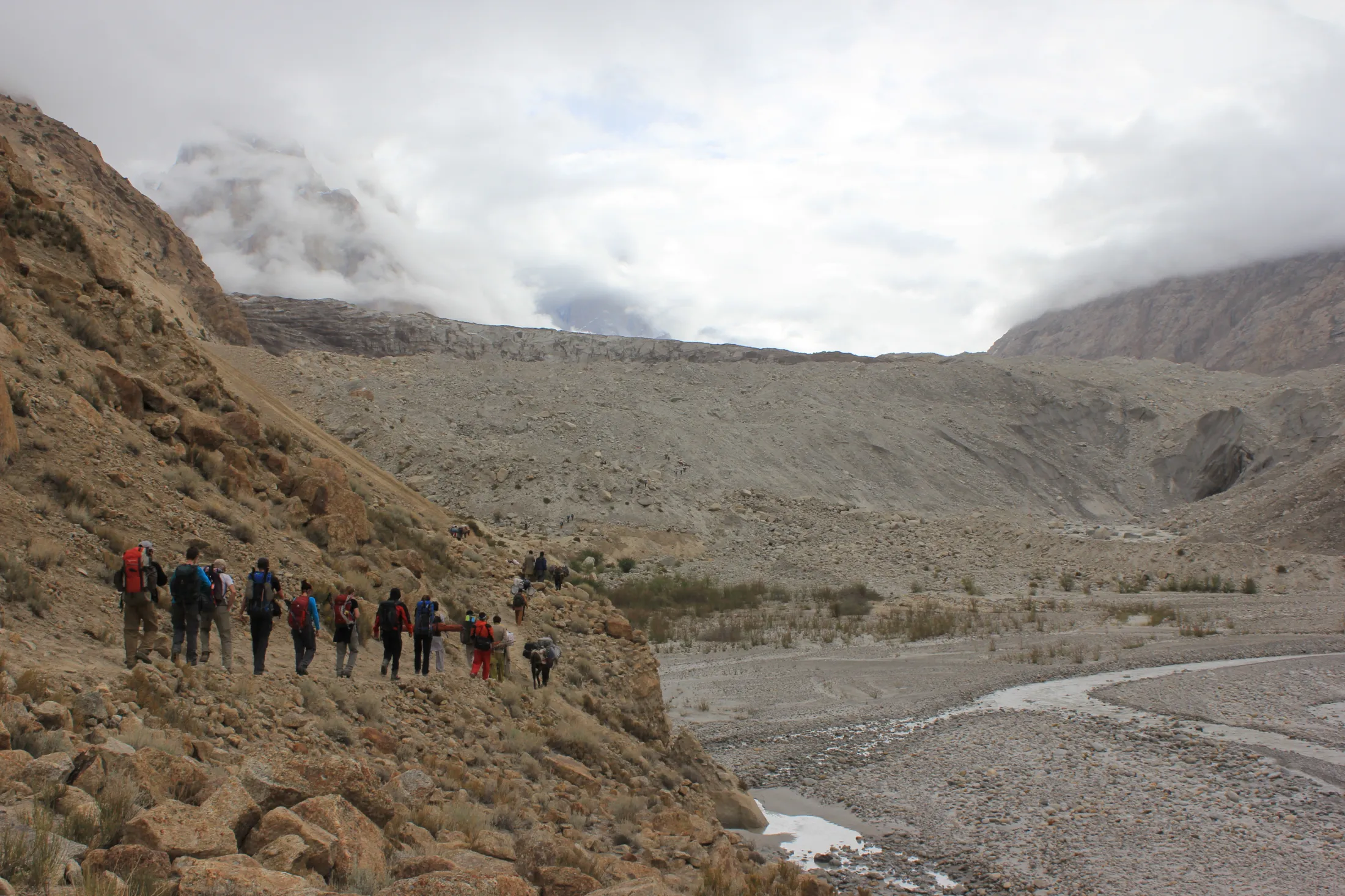
After a good breakfast, we leave the campsite and trek further in spectacular surroundings along the Braldu River. We eat lunch along the river before continuing further inland and upward toward Paiyu camp, where we will spend the night. Paiyu lies like a green oasis surrounded by towering mountain peaks. From here, we can see peaks such as Mount Liligo at 6386 m, the Baltoro Glacier, and the mountains of the Karakoram range.
After a good breakfast, we leave the campsite and trek further in spectacular surroundings along the Braldu River. We eat lunch along the river before continuing further inland and upward toward Paiyu camp, where we will spend the night. Paiyu lies like a green oasis surrounded by towering mountain peaks. From here, we can see peaks such as Mount Liligo at 6386 m, the Baltoro Glacier, and the mountains of the Karakoram range.
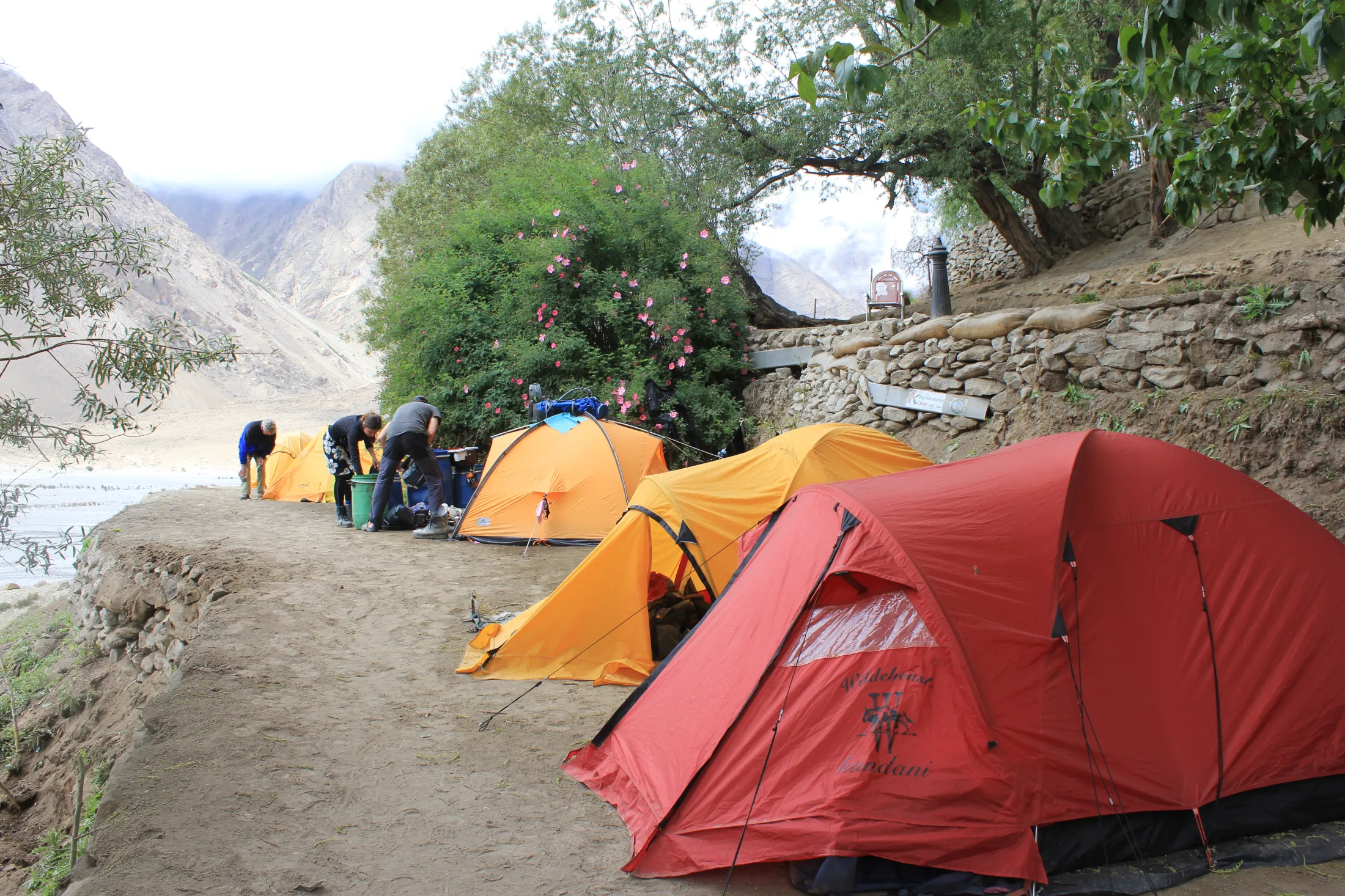
Today we have nothing specific on the schedule other than acclimatizing and enjoying our surroundings. And they are fantastic! The local team bakes bread and prepares for tomorrow's trip across the Baltoro Glacier. We enjoy group meals in camp and slowly but surely get used to the altitude.
Today we have nothing specific on the schedule other than acclimatizing and enjoying our surroundings. And they are fantastic! The local team bakes bread and prepares for tomorrow's trip across the Baltoro Glacier. We enjoy group meals in camp and slowly but surely get used to the altitude.
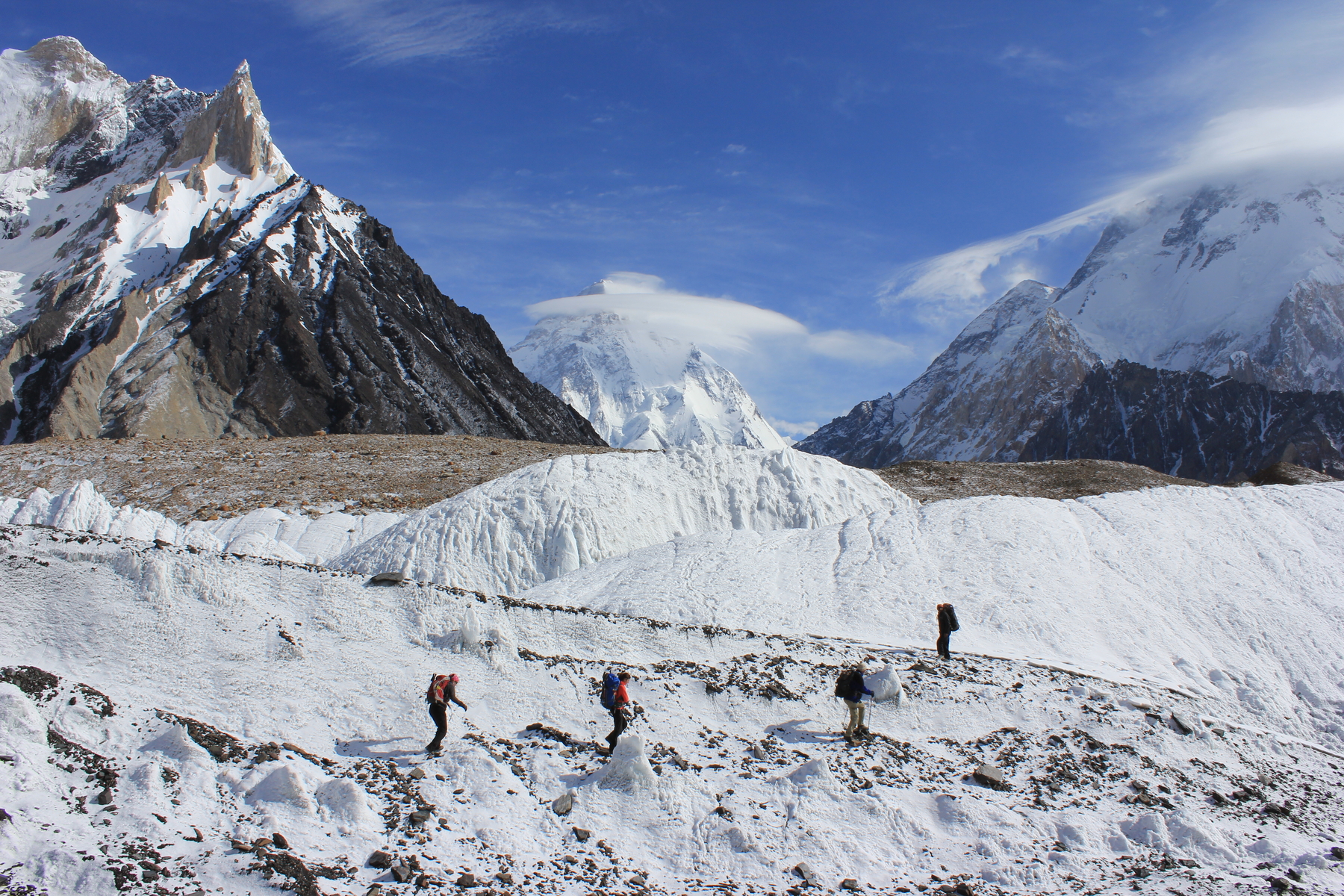
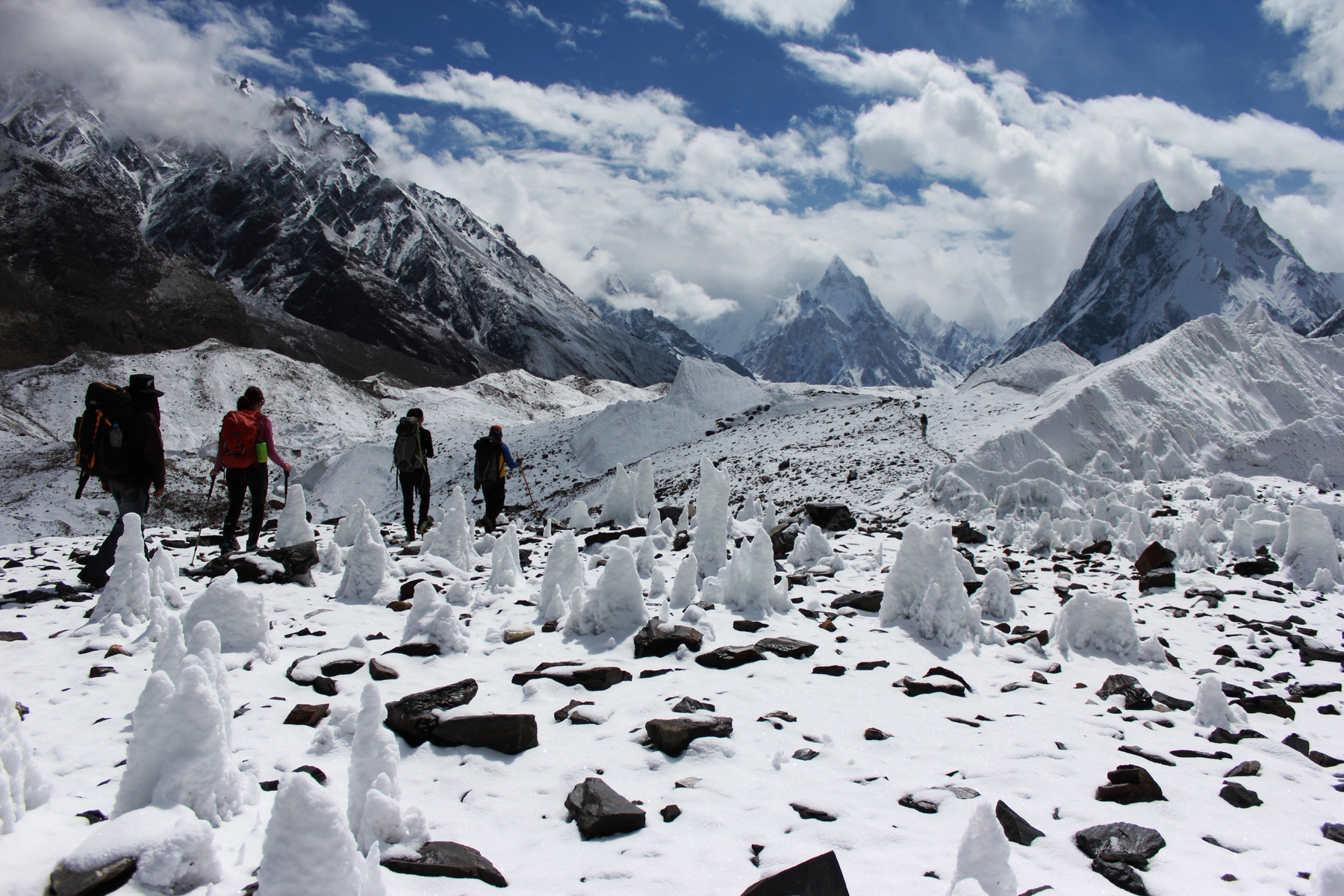
Today's hike will lead us across the famous Baltoro Glacier. Along the way, we get fantastic views of peaks including the Trango Towers—stunning, sheer mountain formations towering over 6000 m. We eat lunch along the way, and after lunch, we have another 2-hour trip to Khoburse camp, where we will spend the night.
Today's hike will lead us across the famous Baltoro Glacier. Along the way, we get fantastic views of peaks including the Trango Towers—stunning, sheer mountain formations towering over 6000 m. We eat lunch along the way, and after lunch, we have another 2-hour trip to Khoburse camp, where we will spend the night.
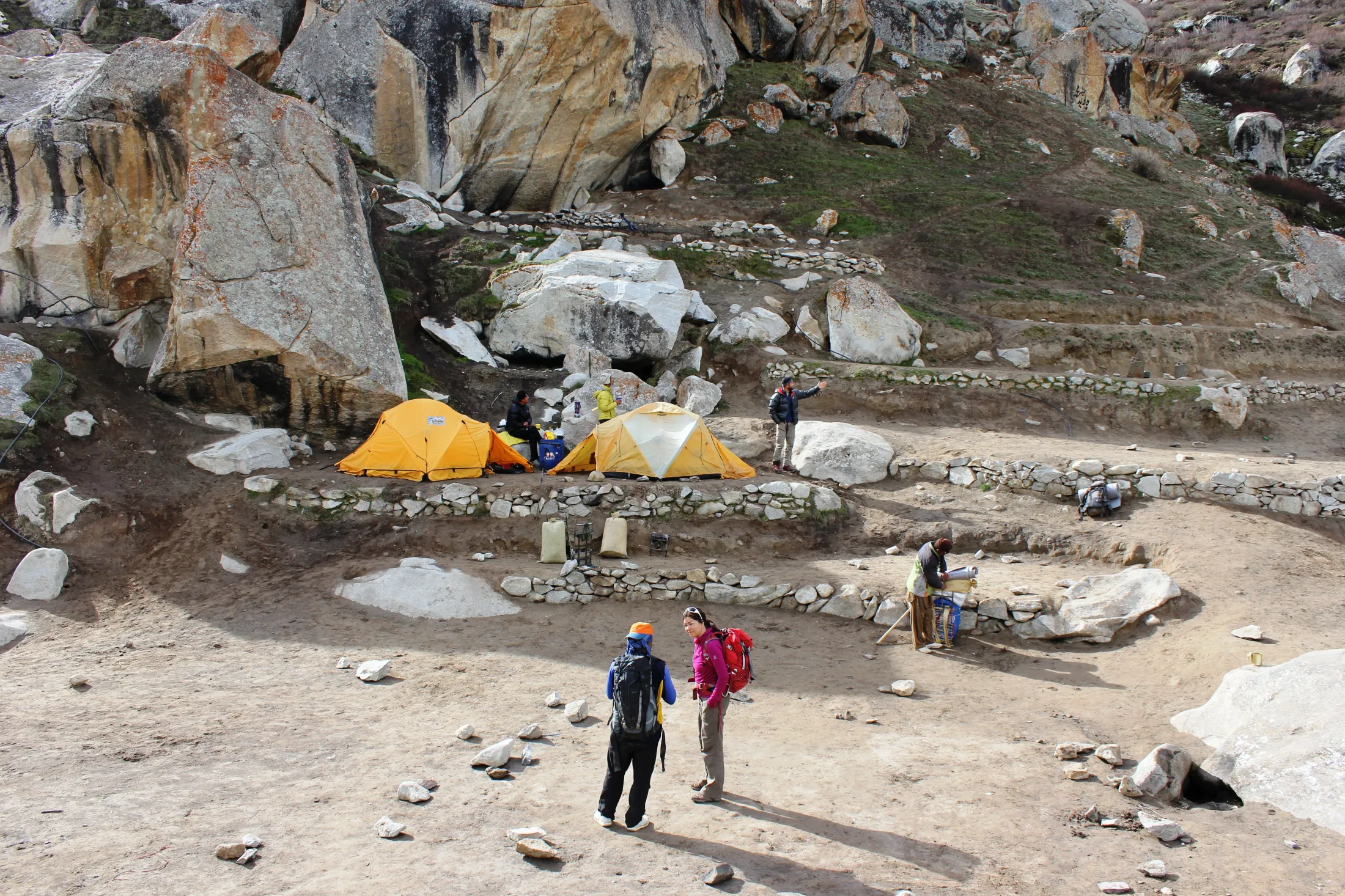
Today we walk along the right side of the Baltoro Glacier and enjoy a great trip while crossing two small glaciers, among other features. The goal for the day is the camp in Urdokas, a beautifully situated campsite surrounded by alpine flowers. From here, we have a fantastic view of Cathedral, Trango, and the Baltoro Glacier. The Pakistani army has a post nearby here, so do not be surprised if you run into soldiers in the area.
Today we walk along the right side of the Baltoro Glacier and enjoy a great trip while crossing two small glaciers, among other features. The goal for the day is the camp in Urdokas, a beautifully situated campsite surrounded by alpine flowers. From here, we have a fantastic view of Cathedral, Trango, and the Baltoro Glacier. The Pakistani army has a post nearby here, so do not be surprised if you run into soldiers in the area.
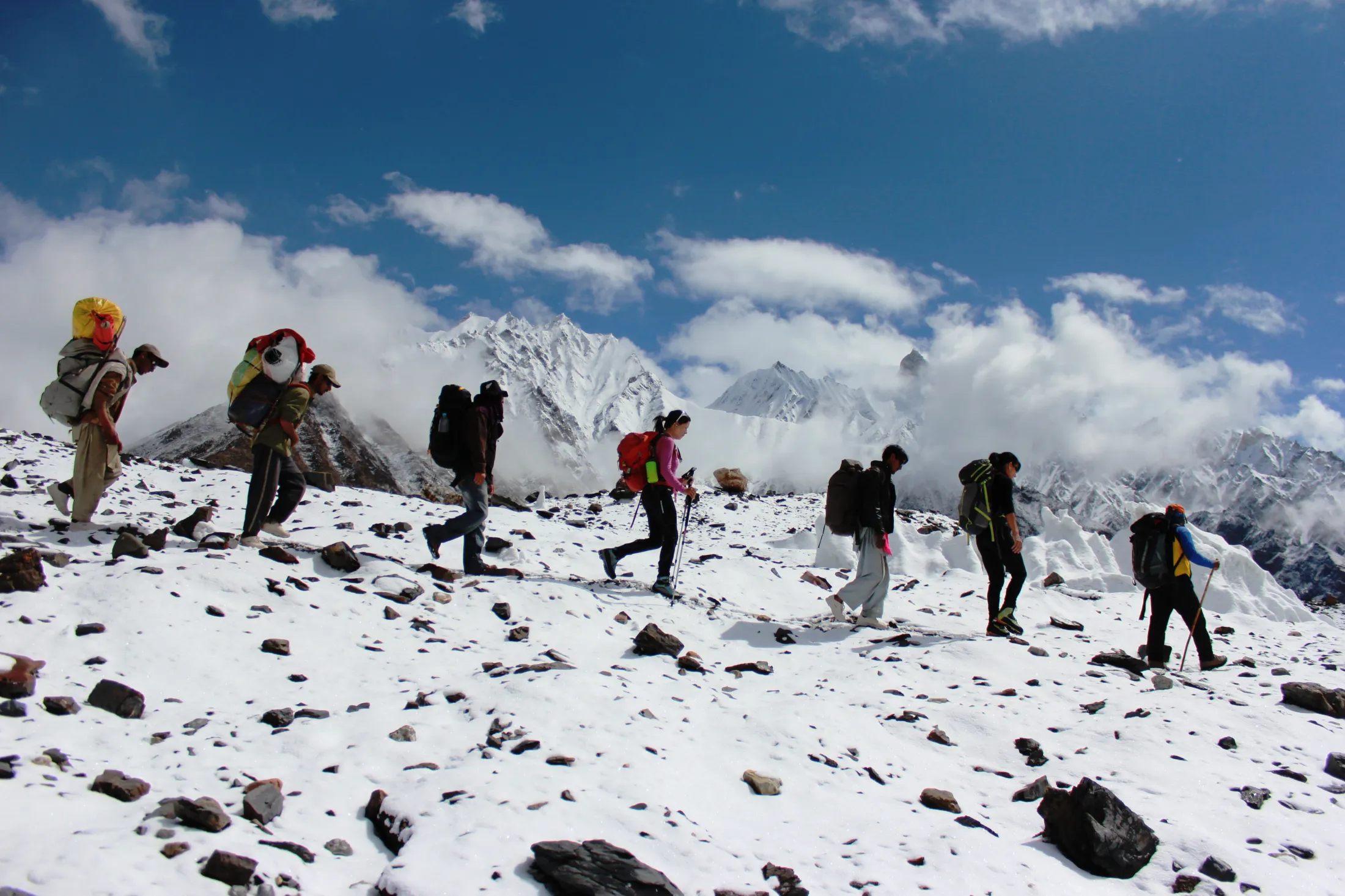
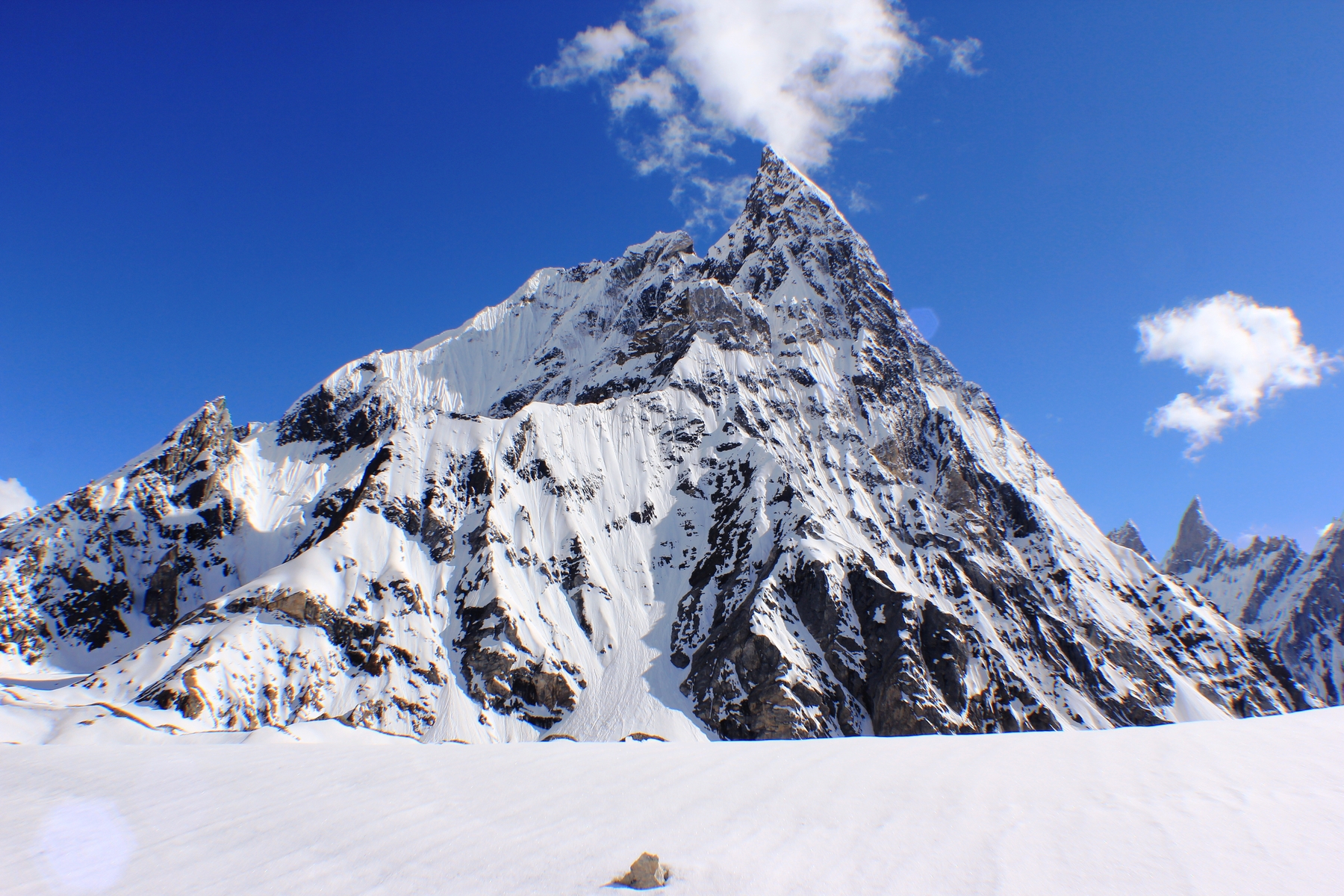
We continue our hike along the Baltoro Glacier today as well, surrounded by high mountains on all sides at all times. We eat lunch at Goro I, where we can enjoy the view of Masherbrum Peak at 7821 m, among other sights. After we have eaten lunch and given our legs a little rest, we continue further up toward Goro II, where we will spend the night. You can look forward to waking up in your tent the next morning to the view from here.
We continue our hike along the Baltoro Glacier today as well, surrounded by high mountains on all sides at all times. We eat lunch at Goro I, where we can enjoy the view of Masherbrum Peak at 7821 m, among other sights. After we have eaten lunch and given our legs a little rest, we continue further up toward Goro II, where we will spend the night. You can look forward to waking up in your tent the next morning to the view from here.
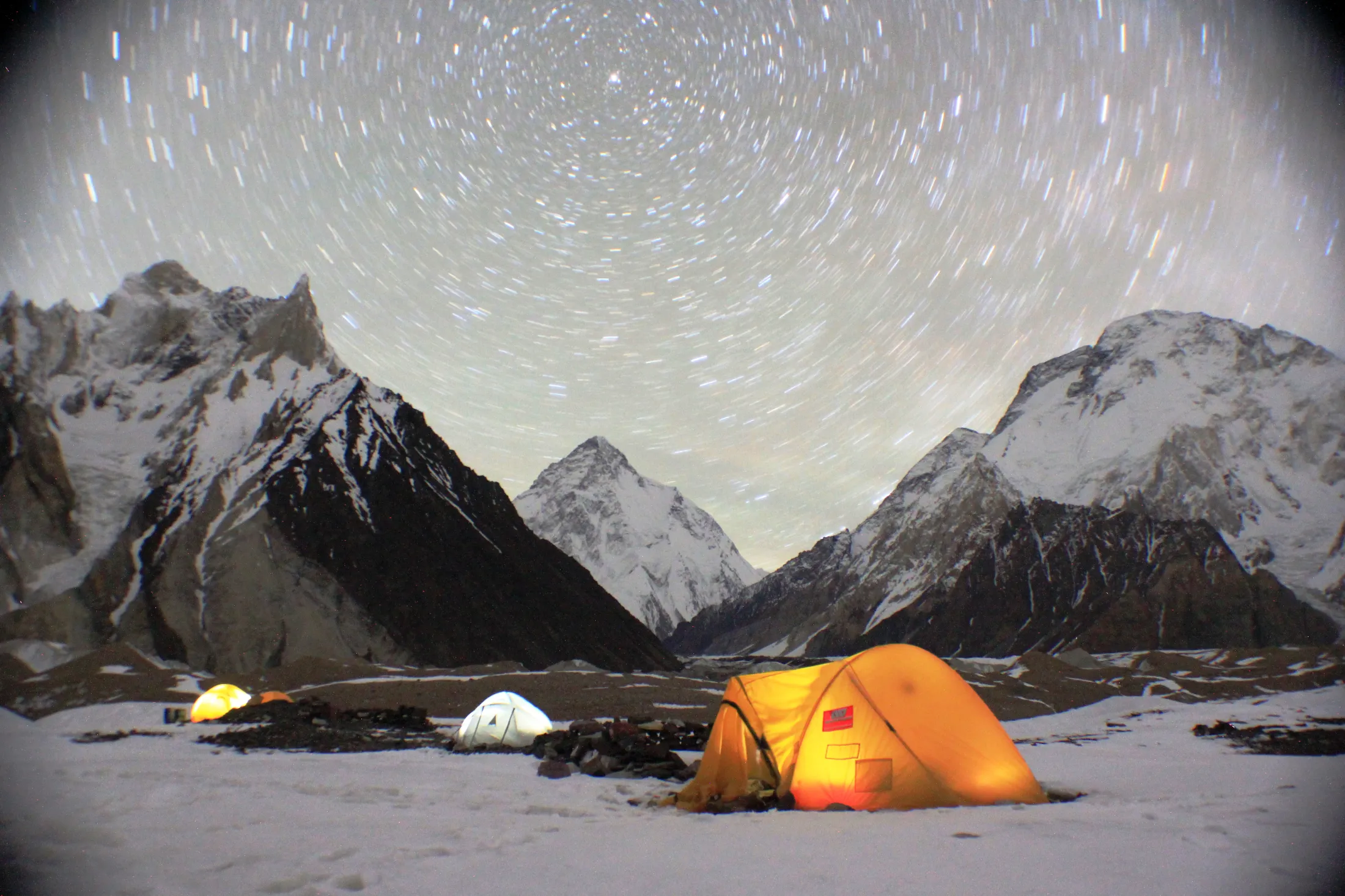
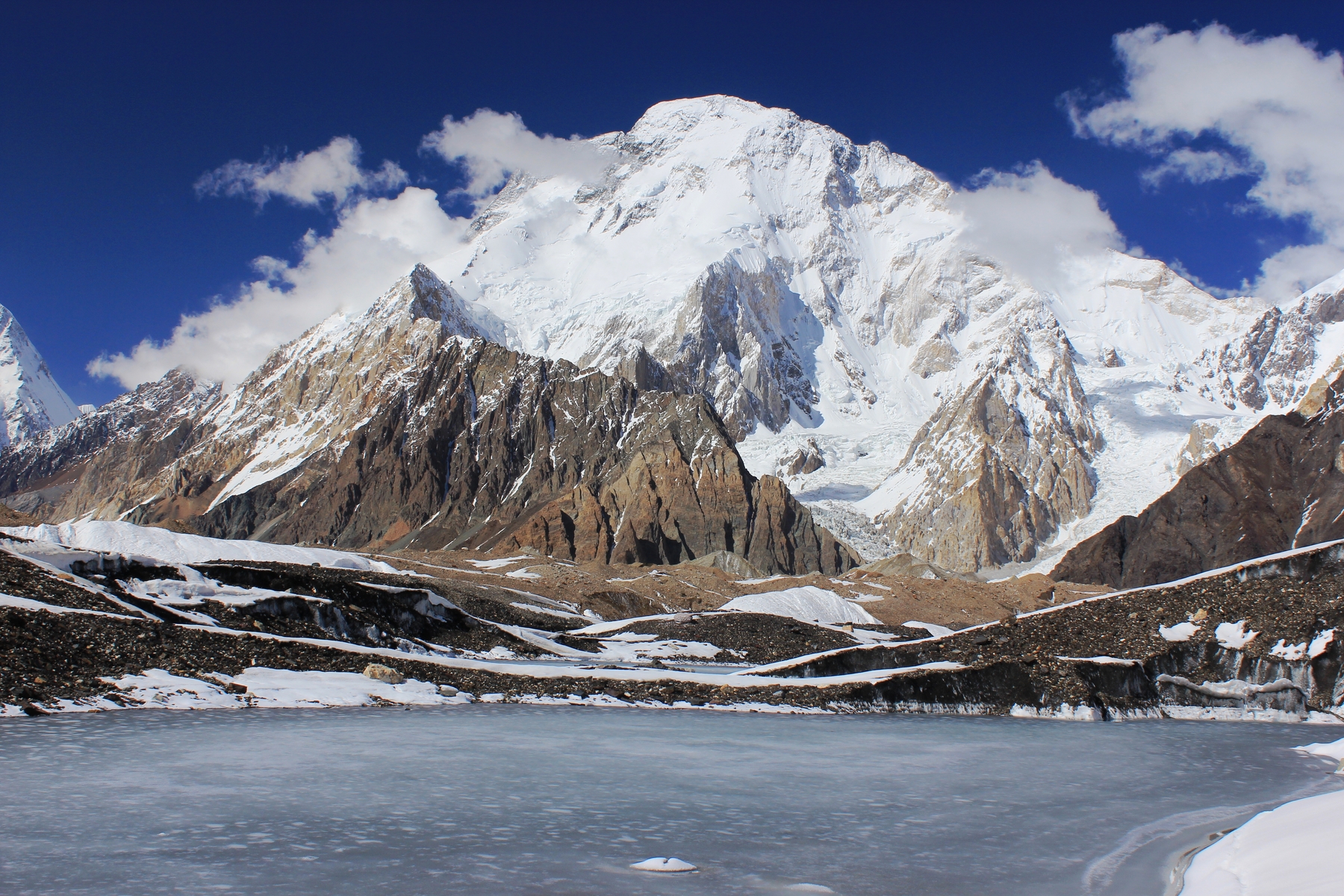
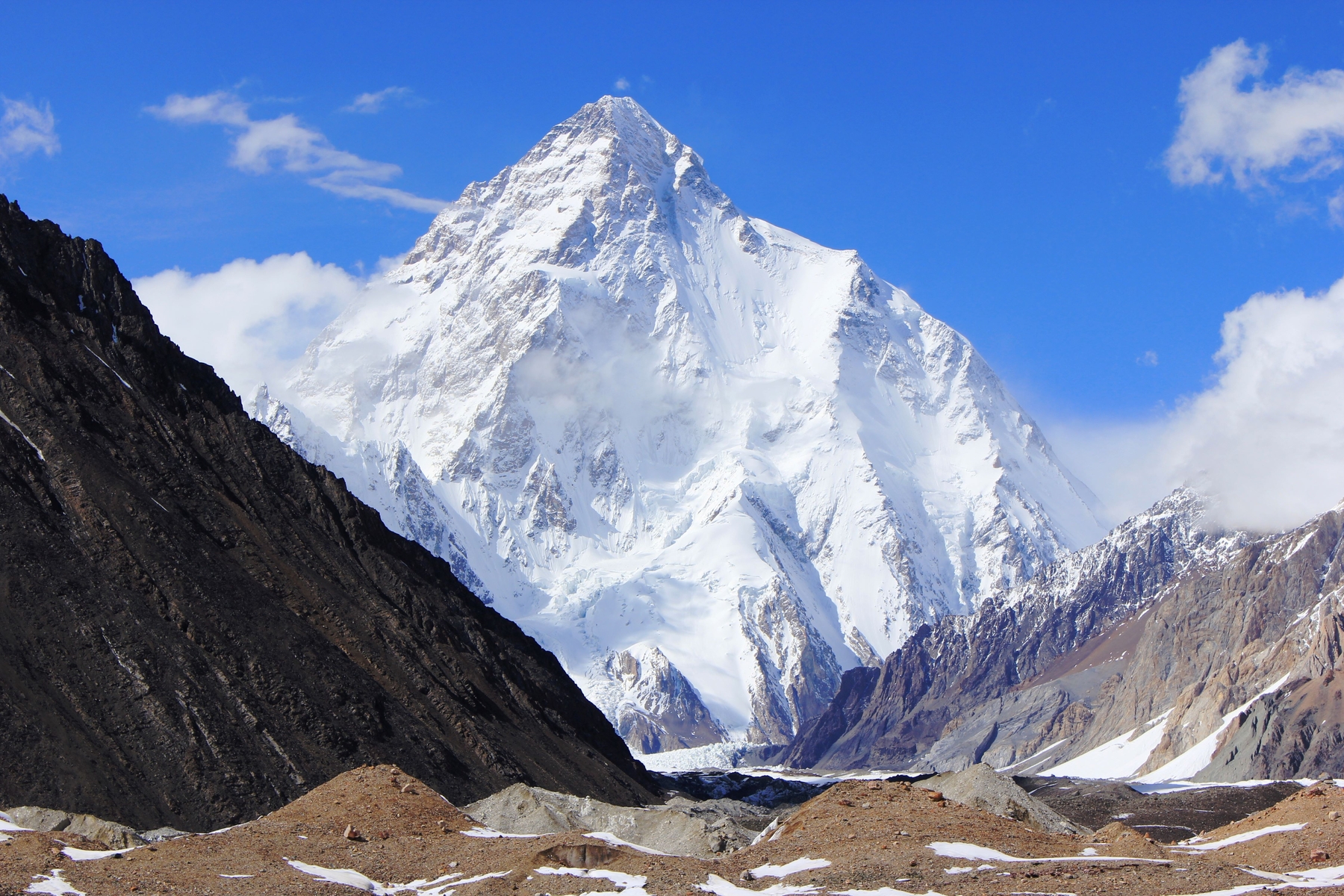
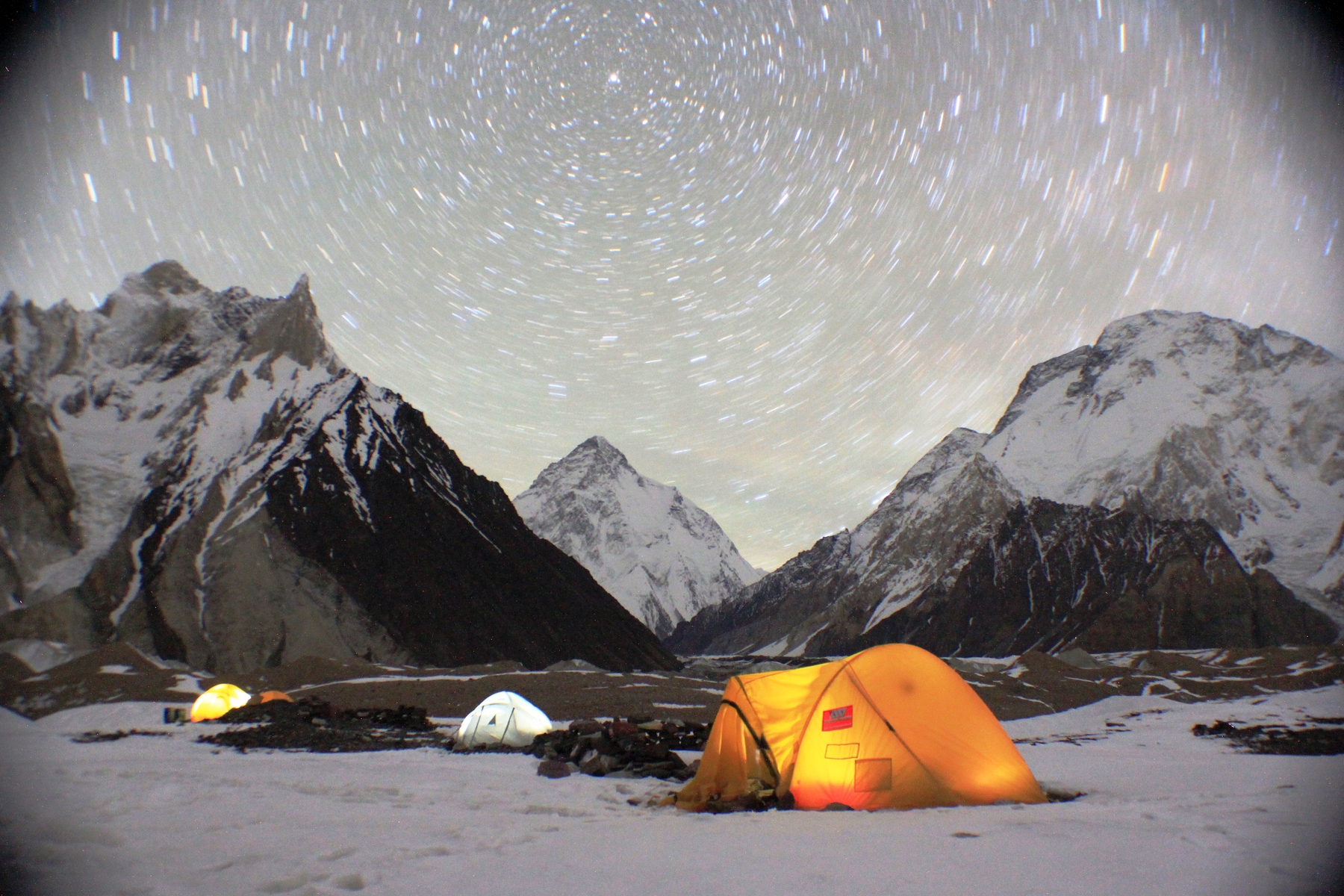
Today we are going to Concordia, which has the largest concentration of glaciers and mountain peaks in the world. Here, an impressive view awaits of some of the world's highest peaks, including K2 (8611 m), Broad Peak (8068 m), Gasherbrum IV (7980 m), Chogolisa (7664 m), and many others. We are now high enough that nights in the tent can get properly cold.
Today we are going to Concordia, which has the largest concentration of glaciers and mountain peaks in the world. Here, an impressive view awaits of some of the world's highest peaks, including K2 (8611 m), Broad Peak (8068 m), Gasherbrum IV (7980 m), Chogolisa (7664 m), and many others. We are now high enough that nights in the tent can get properly cold.
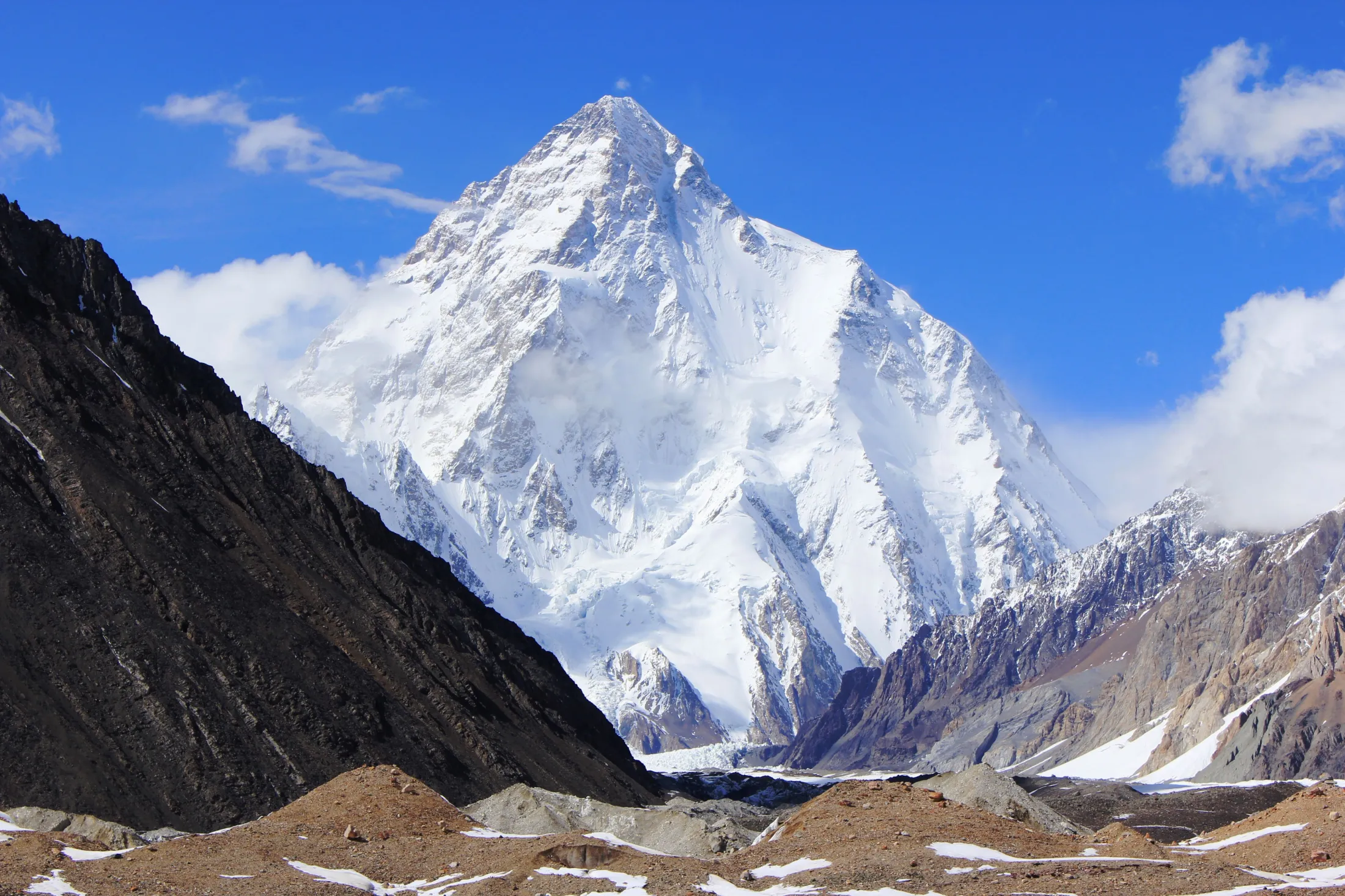
We set aside two days to reach K2 Basecamp, as the weather can dictate plans here. Plan A is a rest day in Concordia and heading up to K2 Basecamp on day 15. Up at Basecamp, we wander around a bit and get a small taste of expedition life up here in spectacular surroundings. We hike back down to the camp in Concordia and are served a delicious high-mountain dinner.
We set aside two days to reach K2 Basecamp, as the weather can dictate plans here. Plan A is a rest day in Concordia and heading up to K2 Basecamp on day 15. Up at Basecamp, we wander around a bit and get a small taste of expedition life up here in spectacular surroundings. We hike back down to the camp in Concordia and are served a delicious high-mountain dinner.
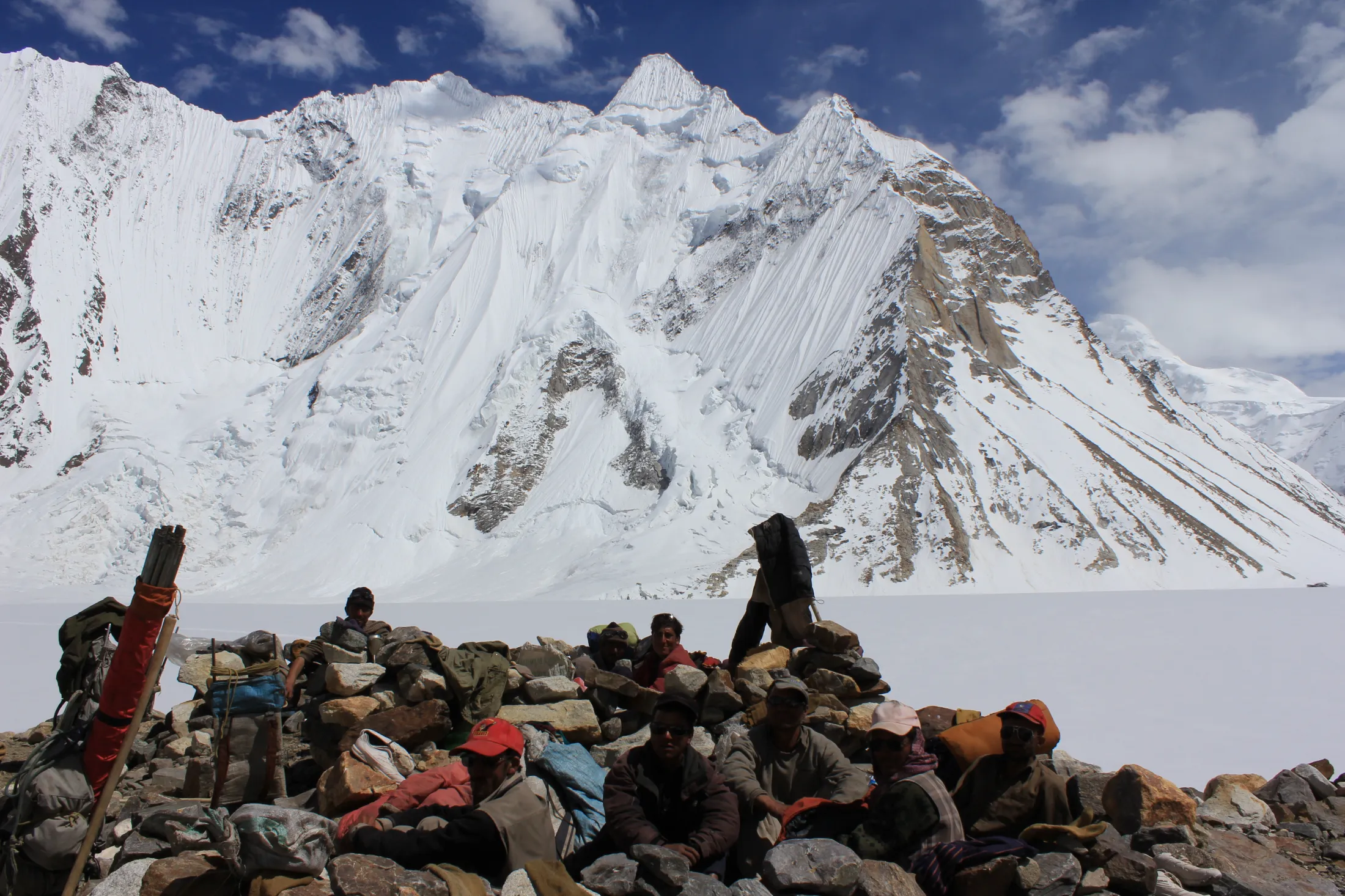
We start the morning with a group breakfast. Fuelled up with energy, we trek onward to our next accommodation, Ali Camp. Today's route depends on the snow conditions, but we will mainly walk along the Vigny Glacier, and the trip takes around 5 hours.
We start the morning with a group breakfast. Fuelled up with energy, we trek onward to our next accommodation, Ali Camp. Today's route depends on the snow conditions, but we will mainly walk along the Vigny Glacier, and the trip takes around 5 hours.
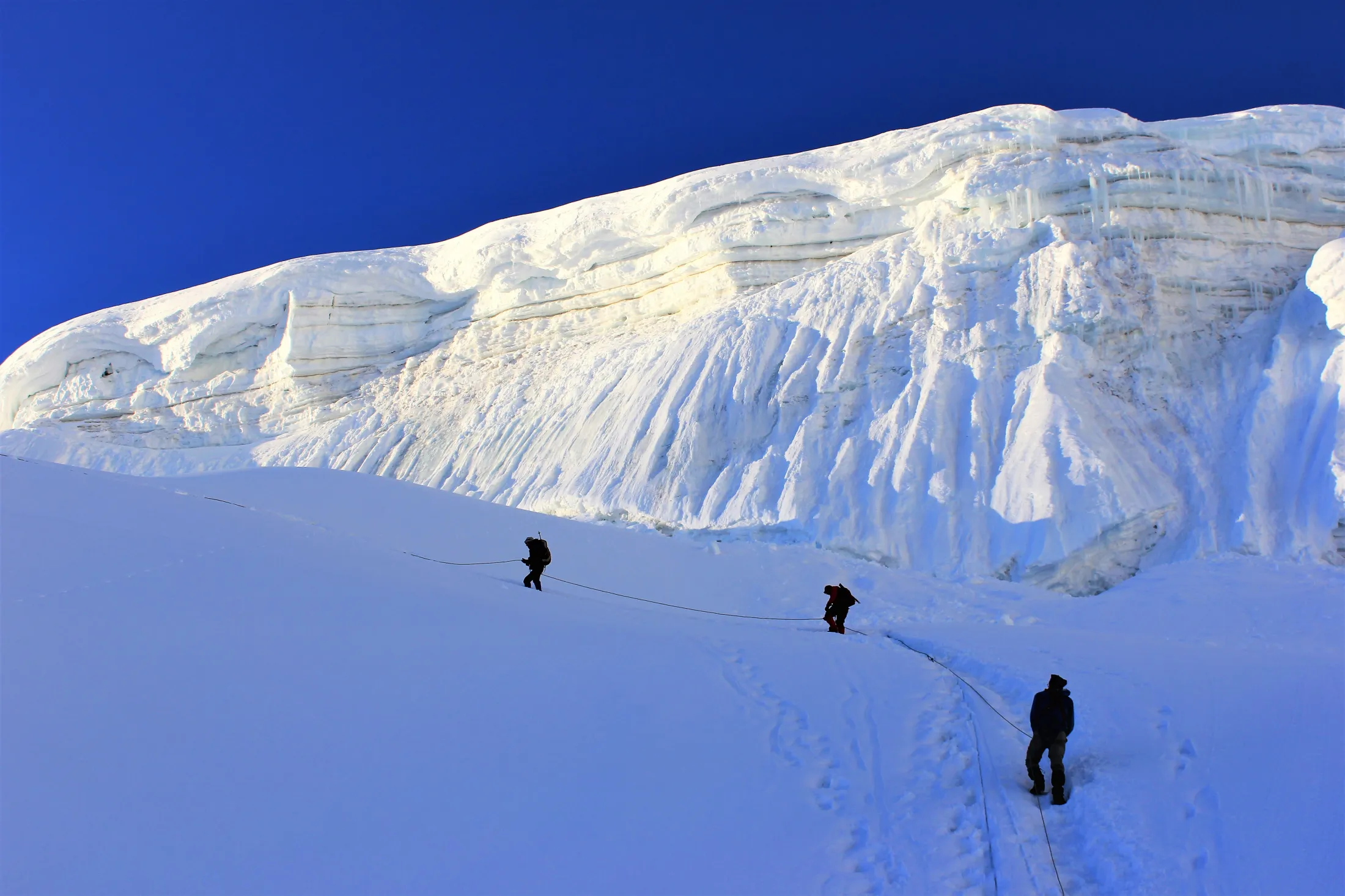
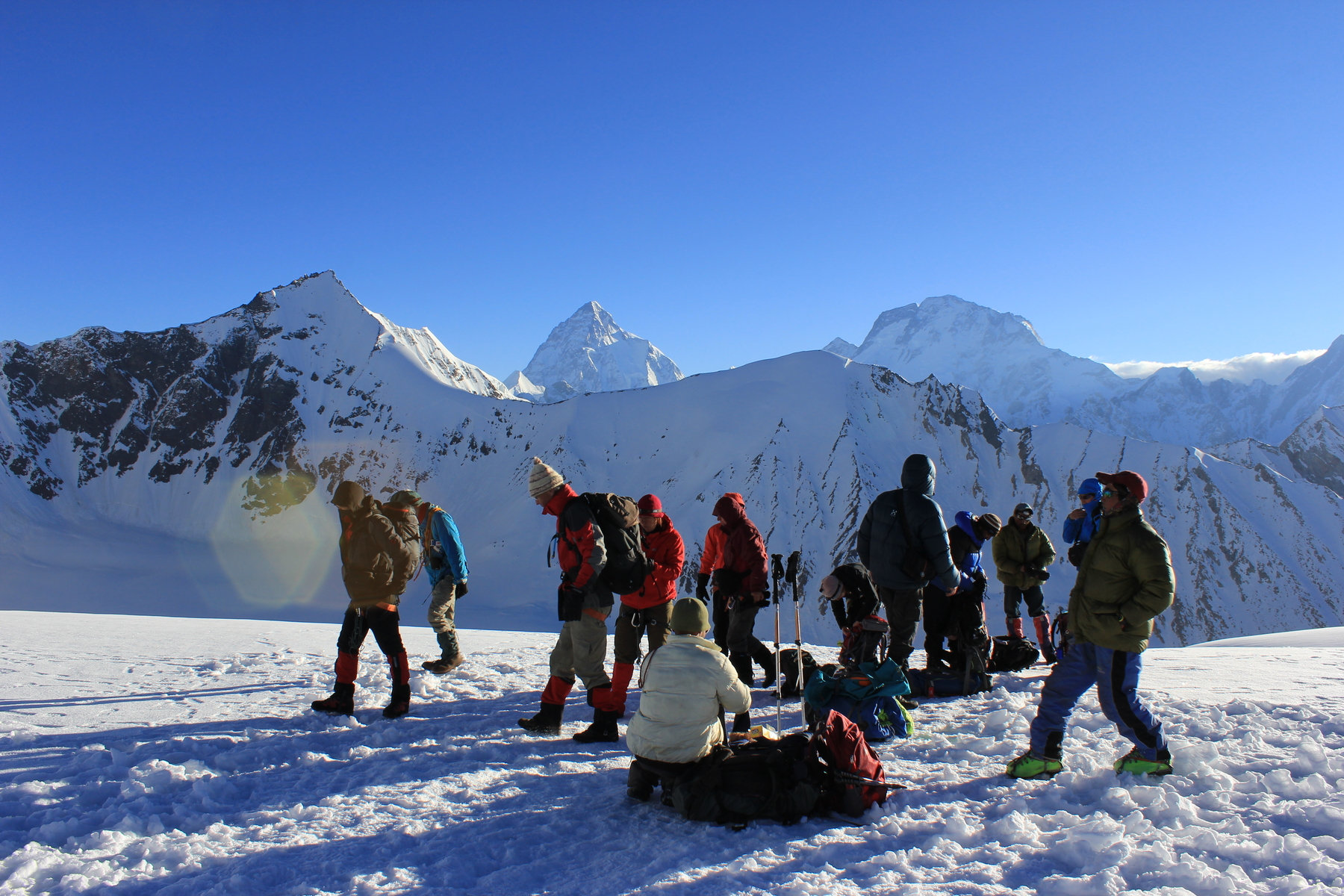
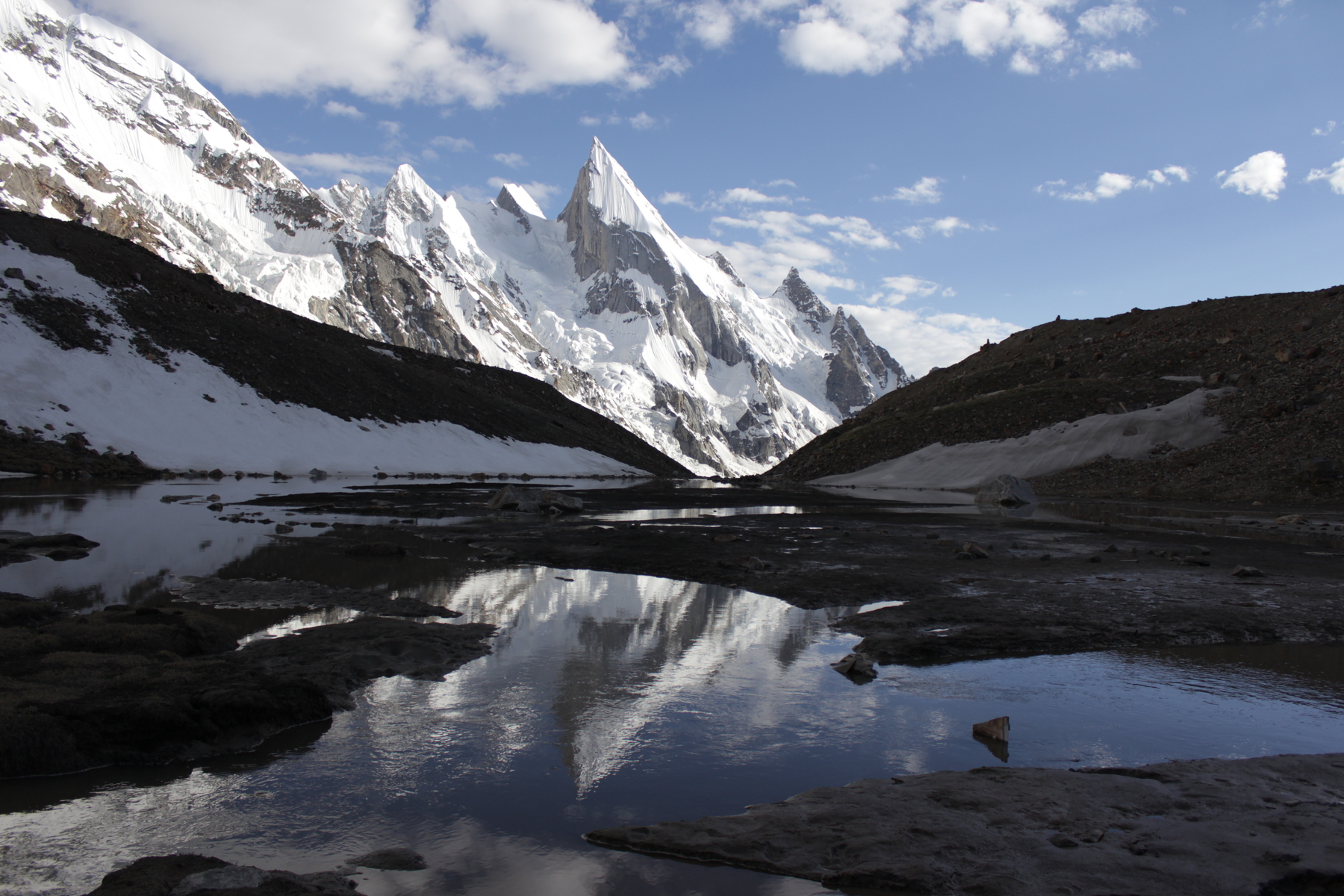
Today we have a very early start. We begin walking around 2:00 AM so we can cross the pass before the snow turns too soft. The climb up to Gondogoro Pass is steep, but we take it slow, breathe deeply, and move steadily upward toward 5600 m. If we are lucky and have clear weather, we can see K2 and other famous peaks in the Karakoram range-a spectacular sight! We hike using crampons on fixed ropes across the glacier over the pass. We take a short break at the top of the pass before making our way down toward Huspang. Here, a well-deserved dinner awaits in lush, gorgeous surroundings. From here, we also look directly at Laila Peak, towering at 6000 m. If there is bad weather and low visibility on the day we are scheduled to cross Gondogoro Pass, we will return the way we came - via Askole and back to Skardu.
Today we have a very early start. We begin walking around 2:00 AM so we can cross the pass before the snow turns too soft. The climb up to Gondogoro Pass is steep, but we take it slow, breathe deeply, and move steadily upward toward 5600 m. If we are lucky and have clear weather, we can see K2 and other famous peaks in the Karakoram range-a spectacular sight! We hike using crampons on fixed ropes across the glacier over the pass. We take a short break at the top of the pass before making our way down toward Huspang. Here, a well-deserved dinner awaits in lush, gorgeous surroundings. From here, we also look directly at Laila Peak, towering at 6000 m. If there is bad weather and low visibility on the day we are scheduled to cross Gondogoro Pass, we will return the way we came - via Askole and back to Skardu.
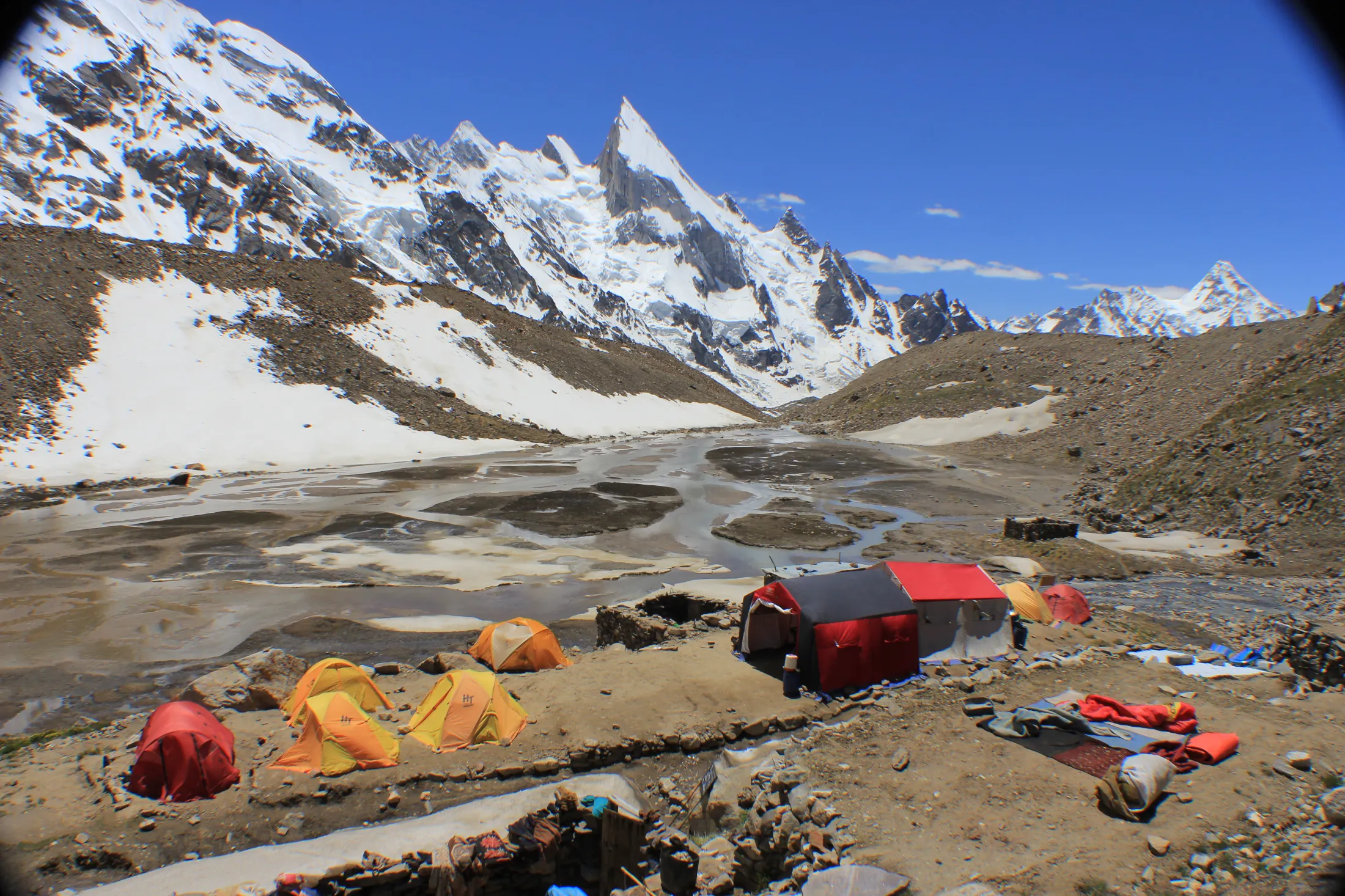
Today we have a walk of about 7 hours ahead of us, descending into thicker air. We hike along the moraine of the Gondogoro Glacier, and the walking becomes easier and easier. Eventually, we will see trees again, and the surroundings turn more lush. After spending a week above 4,000 meters, we will likely sleep very well tonight.
Today we have a walk of about 7 hours ahead of us, descending into thicker air. We hike along the moraine of the Gondogoro Glacier, and the walking becomes easier and easier. Eventually, we will see trees again, and the surroundings turn more lush. After spending a week above 4,000 meters, we will likely sleep very well tonight.
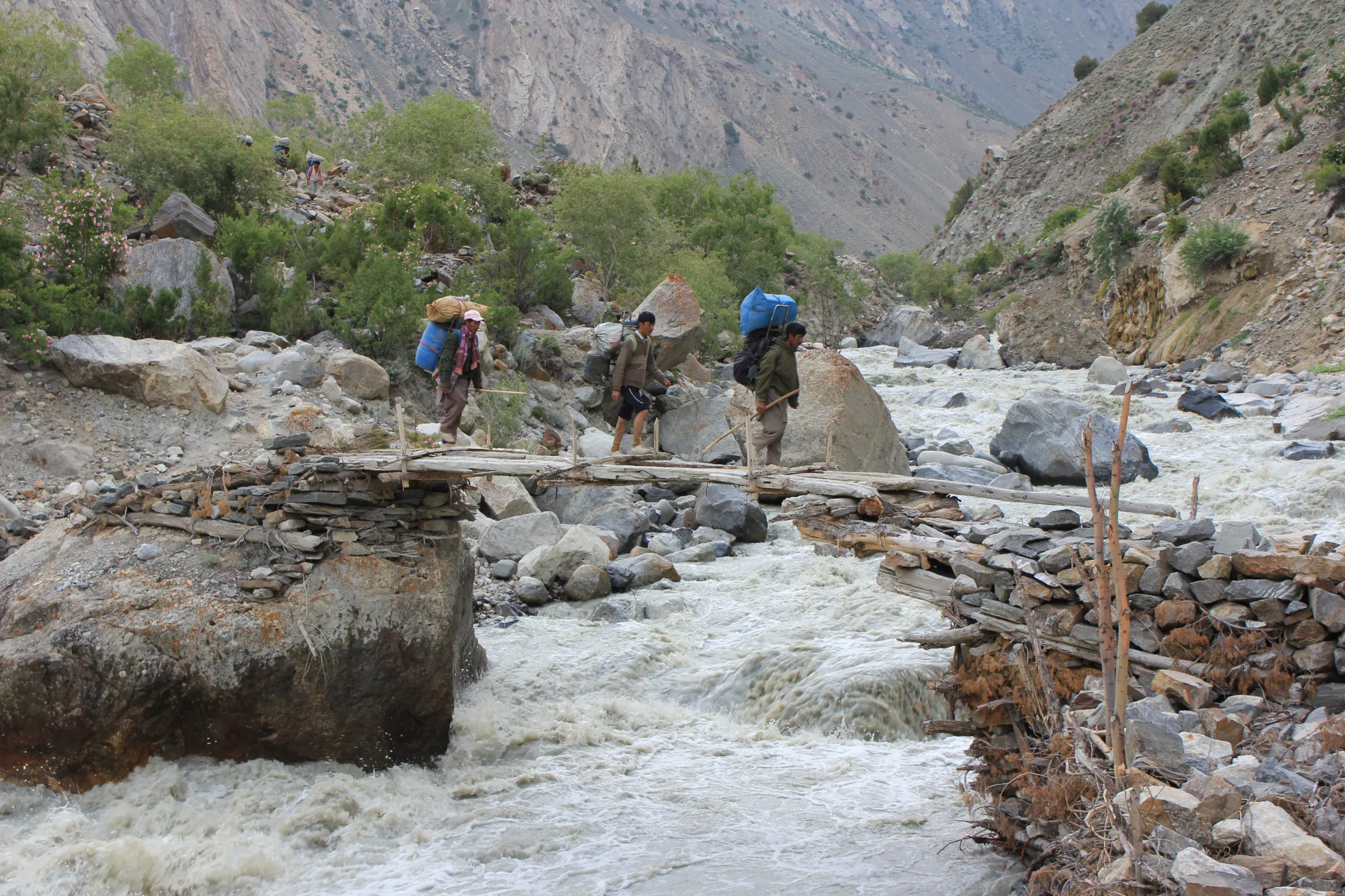
We are served our last breakfast in camp before a relatively manageable 3-hour hike down to Hushe. Here, the jeeps are waiting for us for an approximately 4-hour drive back to Skardu. We stop along the way to eat lunch and stretch our legs. Back in Skardu, we are served dinner at our cozy guesthouse.
We are served our last breakfast in camp before a relatively manageable 3-hour hike down to Hushe. Here, the jeeps are waiting for us for an approximately 4-hour drive back to Skardu. We stop along the way to eat lunch and stretch our legs. Back in Skardu, we are served dinner at our cozy guesthouse.
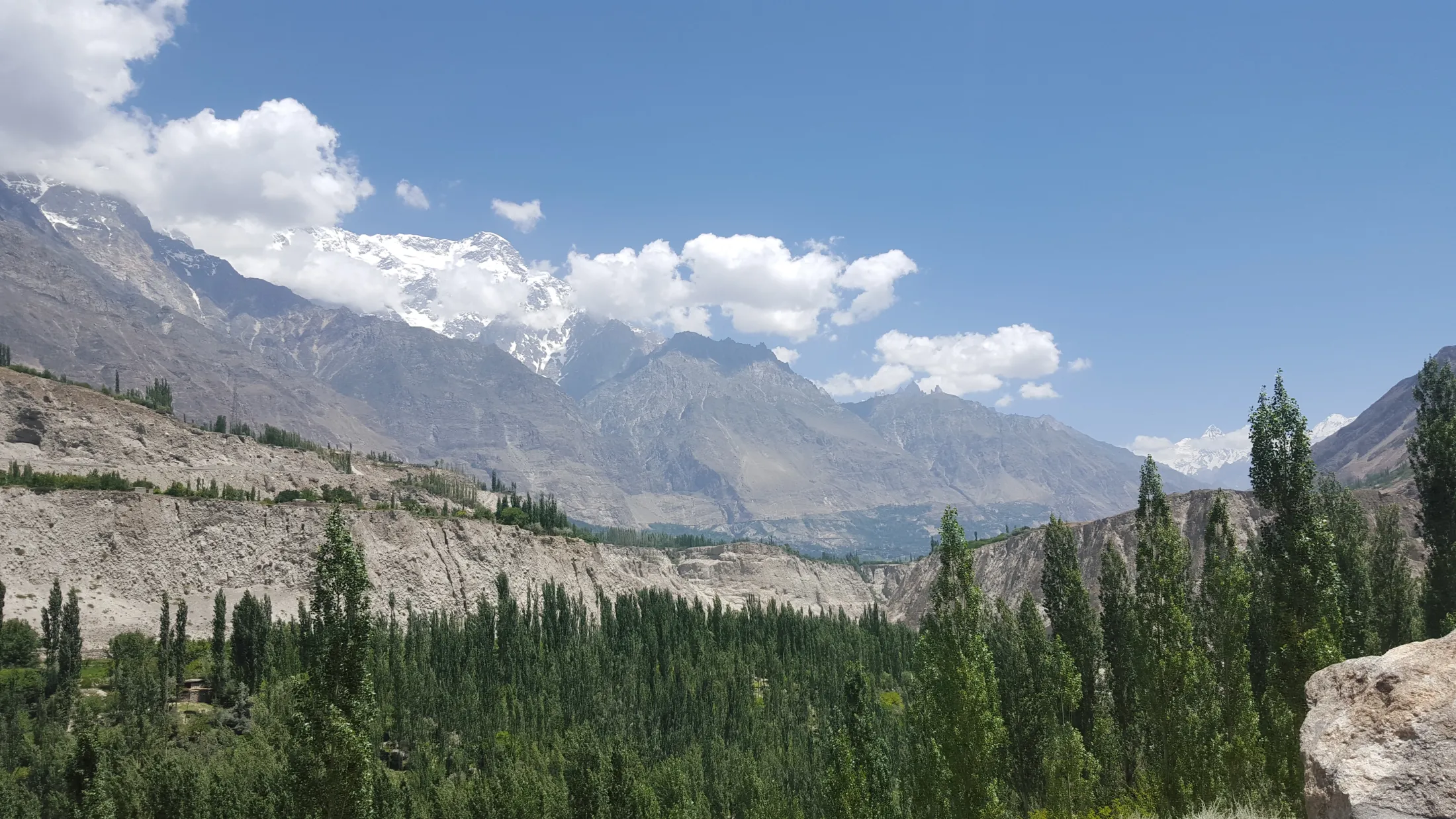
Today is at your leisure, and many will likely appreciate a calm and pleasant day in this mountain town. Dinner at the guesthouse in the evening.
Today is at your leisure, and many will likely appreciate a calm and pleasant day in this mountain town. Dinner at the guesthouse in the evening.
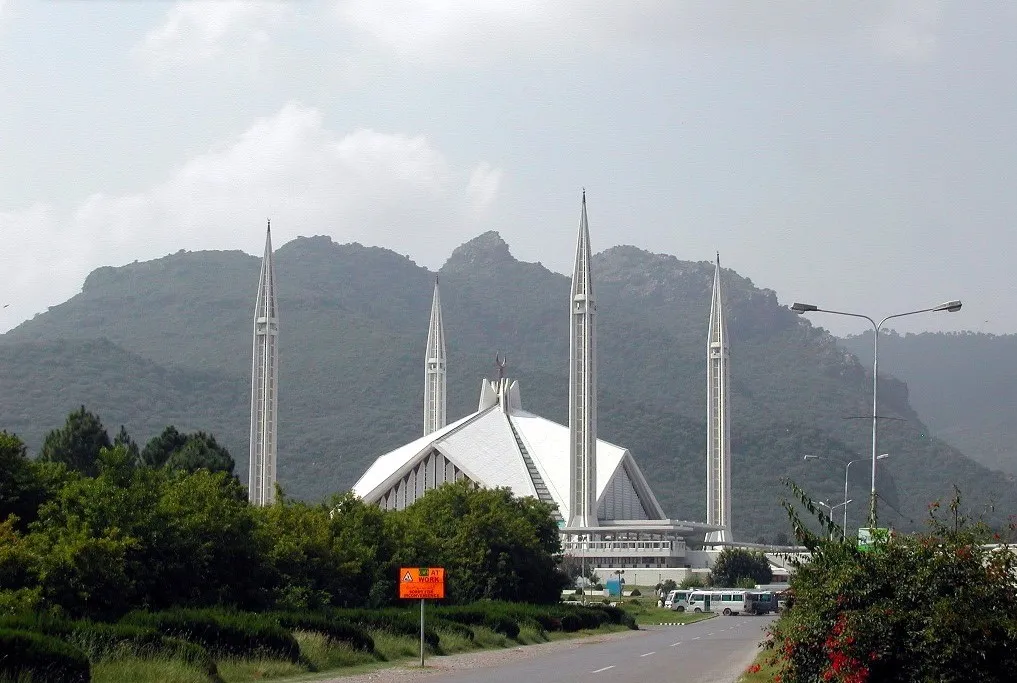
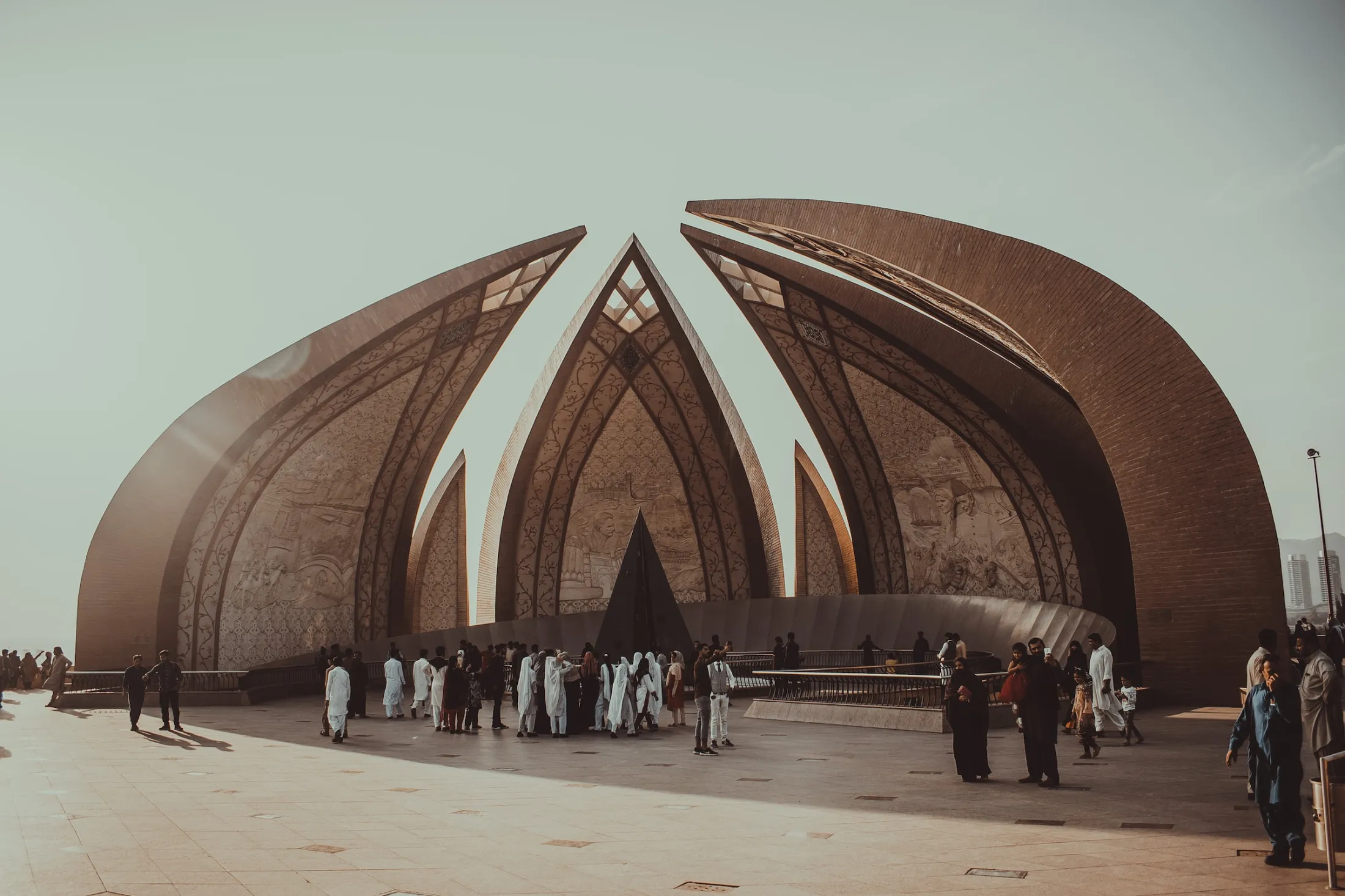
We get up early and fly from Skardu back to Islamabad. Here, we are picked up and driven to our hotel for check-in. Next up is a nice lunch and a sightseeing tour where we, among other things, will see the Pakistan Monument and the Lok Virsa Museum—a folk museum that is also the country's largest museum. In the afternoon, we visit the Faisal Mosque before enjoying a pleasant dinner up at the Margalla Hills with a fantastic view of the capital. If there is bad weather and we cannot fly from Skardu, we must prepare to drive back to Islamabad, with an overnight stay in Chilas along the way. In that case, we will eat lunch on the road and dinner in Chilas. Today will then be a total drive of 6 to 7 hours.
We get up early and fly from Skardu back to Islamabad. Here, we are picked up and driven to our hotel for check-in. Next up is a nice lunch and a sightseeing tour where we, among other things, will see the Pakistan Monument and the Lok Virsa Museum—a folk museum that is also the country's largest museum. In the afternoon, we visit the Faisal Mosque before enjoying a pleasant dinner up at the Margalla Hills with a fantastic view of the capital. If there is bad weather and we cannot fly from Skardu, we must prepare to drive back to Islamabad, with an overnight stay in Chilas along the way. In that case, we will eat lunch on the road and dinner in Chilas. Today will then be a total drive of 6 to 7 hours.
If we managed to fly to Islamabad yesterday, we have the entire day at our leisure. For example, you can visit Melody Food Park, where you'll find quite affordable street food and a wide selection. You can get a taste of village life (and religious diversity) in Saidpur Village. If you enjoy shopping, you can visit the Itwar Bazaar—the name means "Sunday Market," but they are open on Tuesdays, Saturdays, and Sundays. If you love tea, you can drink delicious chai tea at Quetta T&T for a reasonable price. If you find big-city life a bit overwhelming, you can take a stroll in F-9 Park right in the center of the city. As you can tell, only your imagination sets the limits here. We will have a pleasant farewell dinner tonight. If we have to drive from Skardu, we will drive today from Chilas to Islamabad via the Babusar Pass. We will eat lunch along the way in Naran, and the total drive for today will take 7 to 8 hours.
If we managed to fly to Islamabad yesterday, we have the entire day at our leisure. For example, you can visit Melody Food Park, where you'll find quite affordable street food and a wide selection. You can get a taste of village life (and religious diversity) in Saidpur Village. If you enjoy shopping, you can visit the Itwar Bazaar—the name means "Sunday Market," but they are open on Tuesdays, Saturdays, and Sundays. If you love tea, you can drink delicious chai tea at Quetta T&T for a reasonable price. If you find big-city life a bit overwhelming, you can take a stroll in F-9 Park right in the center of the city. As you can tell, only your imagination sets the limits here. We will have a pleasant farewell dinner tonight. If we have to drive from Skardu, we will drive today from Chilas to Islamabad via the Babusar Pass. We will eat lunch along the way in Naran, and the total drive for today will take 7 to 8 hours.

We have large parts of the day at our leisure in the city today as well. The flight usually departs at night/early morning, and late in the evening we will be driven to the airport for our night/morning flight back home to Norway.
We have large parts of the day at our leisure in the city today as well. The flight usually departs at night/early morning, and late in the evening we will be driven to the airport for our night/morning flight back home to Norway.
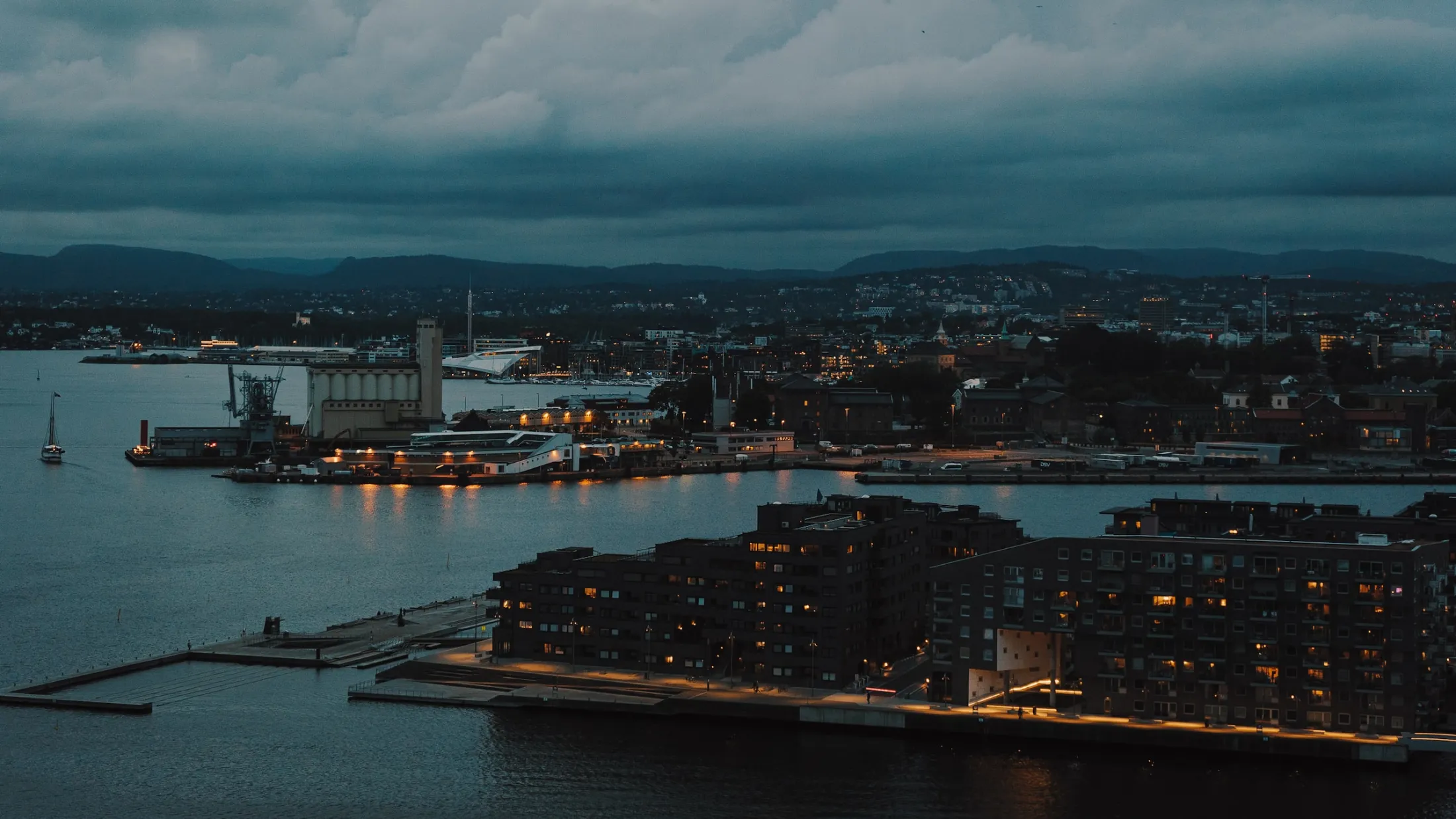
Arrival in Norway this morning.
Arrival in Norway this morning.
We depart from Oslo during the day and fly together to Islamabad.
After a long flight, we arrive in the capital, Islamabad, in the morning. Here we recommend having a light breakfast before flying on to the mountain town of Skardu (weather permitting), where we can relax and rest after a long journey. We will stay in Skardu for 4 nights to recover from the travel, handle logistics, and acclimatize before the mountain trip. If the weather does not make it possible to fly to Skardu today, we will spend the night in Islamabad and either fly or start the drive toward Chilas, on the way to Skardu, the following day.
Skardu is located at 2500 m, and acclimatization begins right here. The town is a famous gateway to the surrounding 8000-meter peaks in the Karakoram mountain range. The Indus River flowing through the region separates Karakoram from the Ladakh area. We will use these days for acclimatization in Skardu. We will prepare for the mountain trip and visit the tourist office for a briefing before the trip. We can also take a trip to the Skardu bazaar, see Sadpara Lake, Kharpocho Fort, the Cold Desert, and Katpana Lake. Dinner at the guesthouse in the evenings. If the weather does not cooperate, we will have to drive from Islamabad to Chilas on day 3, with an overnight stay in Chilas. The drive to Chilas takes 5–6 hours. On day 4, we would then drive from Chilas to Skardu, which takes 6–7 hours with lunch along the way in Staq.
We eat breakfast and get ready for a jeep drive toward Askole. Along the way, we stop for lunch at Apo Ali Gon, a village along the Braldu River. When we arrive at camp at 3000 m, the air starts to feel thinner, and we move slower than usual to avoid headaches. In the evening, we have a nice group dinner in camp - finally, we are properly on our trip.
Today the mountain trip begins! We start with a good breakfast in camp before packing our daypacks and setting off on the trip toward Jhola. On the way here, we cross the Biafo Glacier, a glacier that is nearly 60 km long. We eat lunch along the way at Korefong camp before continuing toward our campsite for the night. Dinner in camp by the river in the evening, and recharging for a new mountain trip the next day.
After a good breakfast, we leave the campsite and trek further in spectacular surroundings along the Braldu River. We eat lunch along the river before continuing further inland and upward toward Paiyu camp, where we will spend the night. Paiyu lies like a green oasis surrounded by towering mountain peaks. From here, we can see peaks such as Mount Liligo at 6386 m, the Baltoro Glacier, and the mountains of the Karakoram range.
Today we have nothing specific on the schedule other than acclimatizing and enjoying our surroundings. And they are fantastic! The local team bakes bread and prepares for tomorrow's trip across the Baltoro Glacier. We enjoy group meals in camp and slowly but surely get used to the altitude.
Today's hike will lead us across the famous Baltoro Glacier. Along the way, we get fantastic views of peaks including the Trango Towers—stunning, sheer mountain formations towering over 6000 m. We eat lunch along the way, and after lunch, we have another 2-hour trip to Khoburse camp, where we will spend the night.
Today we walk along the right side of the Baltoro Glacier and enjoy a great trip while crossing two small glaciers, among other features. The goal for the day is the camp in Urdokas, a beautifully situated campsite surrounded by alpine flowers. From here, we have a fantastic view of Cathedral, Trango, and the Baltoro Glacier. The Pakistani army has a post nearby here, so do not be surprised if you run into soldiers in the area.
We continue our hike along the Baltoro Glacier today as well, surrounded by high mountains on all sides at all times. We eat lunch at Goro I, where we can enjoy the view of Masherbrum Peak at 7821 m, among other sights. After we have eaten lunch and given our legs a little rest, we continue further up toward Goro II, where we will spend the night. You can look forward to waking up in your tent the next morning to the view from here.
Today we are going to Concordia, which has the largest concentration of glaciers and mountain peaks in the world. Here, an impressive view awaits of some of the world's highest peaks, including K2 (8611 m), Broad Peak (8068 m), Gasherbrum IV (7980 m), Chogolisa (7664 m), and many others. We are now high enough that nights in the tent can get properly cold.
We set aside two days to reach K2 Basecamp, as the weather can dictate plans here. Plan A is a rest day in Concordia and heading up to K2 Basecamp on day 15. Up at Basecamp, we wander around a bit and get a small taste of expedition life up here in spectacular surroundings. We hike back down to the camp in Concordia and are served a delicious high-mountain dinner.
We start the morning with a group breakfast. Fuelled up with energy, we trek onward to our next accommodation, Ali Camp. Today's route depends on the snow conditions, but we will mainly walk along the Vigny Glacier, and the trip takes around 5 hours.
Today we have a very early start. We begin walking around 2:00 AM so we can cross the pass before the snow turns too soft. The climb up to Gondogoro Pass is steep, but we take it slow, breathe deeply, and move steadily upward toward 5600 m. If we are lucky and have clear weather, we can see K2 and other famous peaks in the Karakoram range-a spectacular sight! We hike using crampons on fixed ropes across the glacier over the pass. We take a short break at the top of the pass before making our way down toward Huspang. Here, a well-deserved dinner awaits in lush, gorgeous surroundings. From here, we also look directly at Laila Peak, towering at 6000 m. If there is bad weather and low visibility on the day we are scheduled to cross Gondogoro Pass, we will return the way we came - via Askole and back to Skardu.
Today we have a walk of about 7 hours ahead of us, descending into thicker air. We hike along the moraine of the Gondogoro Glacier, and the walking becomes easier and easier. Eventually, we will see trees again, and the surroundings turn more lush. After spending a week above 4,000 meters, we will likely sleep very well tonight.
We are served our last breakfast in camp before a relatively manageable 3-hour hike down to Hushe. Here, the jeeps are waiting for us for an approximately 4-hour drive back to Skardu. We stop along the way to eat lunch and stretch our legs. Back in Skardu, we are served dinner at our cozy guesthouse.
Today is at your leisure, and many will likely appreciate a calm and pleasant day in this mountain town. Dinner at the guesthouse in the evening.
We get up early and fly from Skardu back to Islamabad. Here, we are picked up and driven to our hotel for check-in. Next up is a nice lunch and a sightseeing tour where we, among other things, will see the Pakistan Monument and the Lok Virsa Museum—a folk museum that is also the country's largest museum. In the afternoon, we visit the Faisal Mosque before enjoying a pleasant dinner up at the Margalla Hills with a fantastic view of the capital. If there is bad weather and we cannot fly from Skardu, we must prepare to drive back to Islamabad, with an overnight stay in Chilas along the way. In that case, we will eat lunch on the road and dinner in Chilas. Today will then be a total drive of 6 to 7 hours.
If we managed to fly to Islamabad yesterday, we have the entire day at our leisure. For example, you can visit Melody Food Park, where you'll find quite affordable street food and a wide selection. You can get a taste of village life (and religious diversity) in Saidpur Village. If you enjoy shopping, you can visit the Itwar Bazaar—the name means "Sunday Market," but they are open on Tuesdays, Saturdays, and Sundays. If you love tea, you can drink delicious chai tea at Quetta T&T for a reasonable price. If you find big-city life a bit overwhelming, you can take a stroll in F-9 Park right in the center of the city. As you can tell, only your imagination sets the limits here. We will have a pleasant farewell dinner tonight. If we have to drive from Skardu, we will drive today from Chilas to Islamabad via the Babusar Pass. We will eat lunch along the way in Naran, and the total drive for today will take 7 to 8 hours.
We have large parts of the day at our leisure in the city today as well. The flight usually departs at night/early morning, and late in the evening we will be driven to the airport for our night/morning flight back home to Norway.
Arrival in Norway this morning.
Round trip Oslo - Islamabad and round trip Islamabad - Skardu.
If the weather is too poor for flying, we will be transported by car from Islamabad to Skardu and/or from Skardu back to Islamabad, with an overnight stay in Chilas on the way - a drive of approx. 12 hours total each way.
Norwegian-speaking guide on programs with Norwegian language.
English-speaking local guides.
All transportation as specified in the program.
Accommodation in shared double rooms at tourist-class hotels in Islamabad, shared double rooms at guesthouses in Skardu, and double tents during trekking. No one can expect to get their own tent on the mountain trip.
Meals as specified in the program. All meals on the mountain trip itself, breakfast and dinner at the guesthouse in Skardu, and breakfast at the hotel in Islamabad + a farewell dinner in Islamabad.
For trips where flights are not included, please check our website to confirm that the departure is guaranteed before booking your own plane tickets. For each trip, we require a minimum number of confirmed participants before the departure can be guaranteed.
To local guides and assistants. Tips are a common and expected part of being a tourist in many of the destinations we visit. These are given in cash during the trip and therefore cannot be included in the trip price.
Available upon request, limited quantities.
Request quotes from other cities in Norway.
We reserve the right to change prices. The day by day program is indicative and changes may occur. We also refer to our general travel conditions.
On all our trips, we require you to have full travel and accident insurance, which must also cover potential medical repatriation. Read more about travel insurance.
For departures with Norrøna Adventure guides:
On our trips, it is important to understand that we often will be traveling far off the beaten track. We will, of course, do everything we can to assist if anything should happen, but a potential rescue operation can be demanding. It is therefore extremely important that all participants arrive well-prepared and ready to handle unforeseen situations.
Here you have to be ready for a real challenge! The trips are often longer than at lower levels. Along the way, it will be both physically and mentally demanding, and that requires you to be prepared for this. You should engage in targeted training well in advance of departure, and you must prepare well.
We overnight in tents. We are usually served food, but may have to contribute with cooking on certain occasions.
Activities/trips with significant risk. Incidents may occur, and they can be of such a nature that they require professional help.
It’s a big advantage to have spent a lot of time hiking in the mountains. You should be an experienced hiker and in good physical shape to participate. Start training well in advance of your departure.
Many people wonder what it takes to go on a trip with Norrøna Adventure to high mountains. Here's an introduction to hiking at altitude - what to expect and how to prepare with the right clothing, equipment and training. If you need any tips, we have a training plan for high mountains - feel free to ask us about it.
We also recommend that you read a bit about the country and the trip you’ll be taking before departure. This will make the experience more complete.
When we cross the Ghondogoro Pass, we’ll use crampons and hike in a rope team. It’s helpful to be familiar with using crampons before departure, but it’s not a requirement.
Before embarking on our journey together, we kindly remind all trip participants to check their respective country's visa status and vaccination requirements. Ensuring your travel documents are in order is a crucial step in guaranteeing a smooth and hassle-free adventure.
Norwegian citizens need a valid passport that remains valid for at least 6 months after their return date, and a visa, which must be applied for online. See also the current entry and visa regulations on the Ministry of Foreign Affairs' country pages.
If you are over 67 years old, you should have a thorough medical check-up before your trip. Make your doctor aware that this is a trip involving physical exertion and moving off the beaten track.
It is important that you complete all parts of the registration form (especially where we ask for information about health and allergies), and let us know if there is anything we need to be aware of prior to and during the trip. Relevant health information that may affect the trip should also be communicated to the guide at the start of the trip. *Note* - If you are on regular medication, have known allergies or anything similar, you must always bring your personal medication with you.
See the overview on FHI´s pages on travel health advice. For vaccination and guidance, please contact Sentrum Reisemedisin: Reisemedisin.no.
For trips where flights are not included, please check our website to confirm that the departure is guaranteed before booking your own plane tickets. For each trip, we require a minimum number of confirmed participants before the departure can be guaranteed.
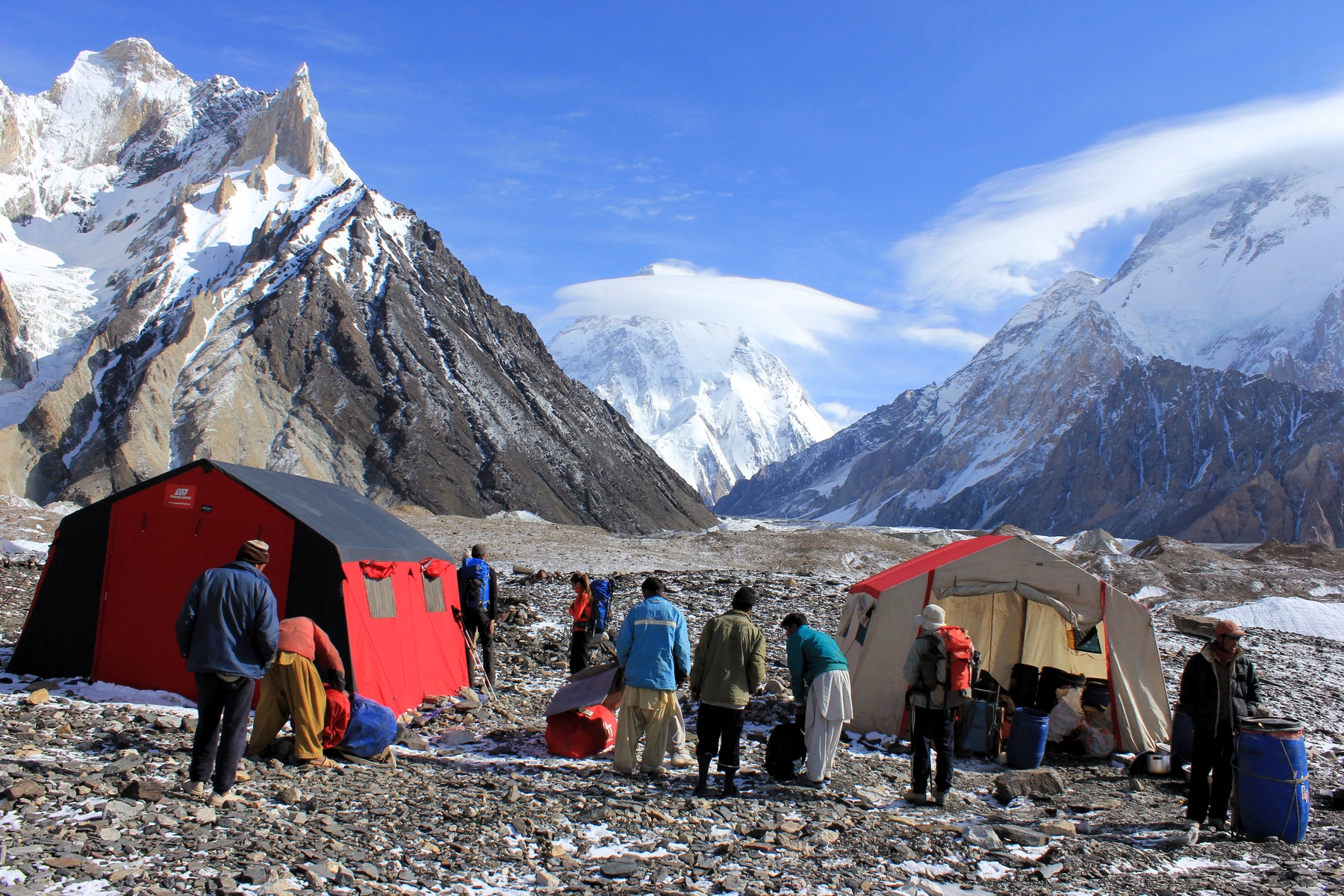
In Islamabad and Skardu, we’ll stay at hotels or guesthouses in double rooms. During the mountain trek, we’ll stay in pairs in comfortable 3-person tents.
In August, we can expect temperatures to reach as high as 30°C in Skardu and 25°C in Hushe and Askole. The Baltoro and Godwin-Austen glaciers, which lead up to Concordia and K2 base camp, will likely be covered in snow in June and as late as early July. On the trek up to Gondogoro La, we’ll be walking on snow. Snow can fall at any time of year at elevations above 4100 m.
All meals are included during the trek, as specified in the daily itinerary below. If we have a relatively short day ahead of us, lunch will be served when we arrive at camp. On the longer daily stages, we’ll be provided with nutritious packed lunches from the cooking team.
It is not always easy to get hold of gluten-free wholemeal bread, lactose-free alternatives or to accommodate other food preferences. If you have any allergies, please let us know in the registration form and we will try to accommodate you as best we can. However, we would still recommend that anyone with special dietary needs bring some alternatives in the form of, for example, a packet of crispbread, energy bars or similar that you know you can eat.
This list is intended as a guideline, so that we have what we need regardless of the weather we get on the trip. Remember that you can also get used outdoor equipment that works perfectly. Get in touch if you have any questions. TIP: We recommend that you have the most important equipment in your hand luggage, for example hiking boots and gore-tex jacket/trousers.
We recommend wool underwear for both men and women. Wool sportstop is recommended for women. A boxershorts with windstopper is recommended for cold days.
2 sets of top and bottom. Not too thick, instead use multiple layers.
Wool, 2-3 paris.
2-3 pairs. Wool or synthetic material.
We recommend thin wool.
Fleece or wool.
Down or synthetic insulation, featuring a hood and ideally long enough to cover the butt.
Gore-Tex or similar. Must have a decent hood, and hold out wind and rain. Should have space for midlayers underneath. Ventilation under the arms is recommended.
Gore-Tex or similar. Must hold out wind and rain. Ventilation zippers along the legs is recommended.
Warm hat for cold days.
Thick, wool.
The overmittens should be roomy and extend well up the forearm. They should be windproof and ideally handle some moisture. They need to provide a good grip, even with the inner mittens inside. The inner mittens should be thick and warm, preferably made of wool.
High gaiters for protection against wind, snow, moisture, and icing on boots and laces. Mandatory if you don’t have ski boots or pants with integrated gaiters.
Solid hiking boots for winter use. For example La Sportiva Nepal EVO or Scarpa Phantom Guide.
Avoid bringing a suitcase, they are more difficult to transport between hotels.
Needs to have space for everything you want to bring on the hikes.
Comfort temperature rating of at least -20°C. Both down and synthetic are fine, remember to pack it in a waterproof bag. A liner can increase the comfort temperature.
Inflatable, for extra comfort.
Remember new/extra batteries.
A solid pair, with dark glass.
Personal medicines and, for example, band-aids, blister plaster, sports tape, throat lozenges, nasal drops, Paracetamol/Ibuprofen, stomach regulators, etc.
We need to know about all medicines you are taking, in case something happens.
Tooth brush, tooth paste, small towel, ear plugs, wet wipes, biodegradable soap, etc.
High SPF, 30-50. Remember chapstick for lips and nose.
Toilet paper, antibac, and waste bags for the paper. Remember leave no trace.
2-3 litre bottles, with an insulation cover, so they dont freeze. For example Nalgene bottles with wide mouth. They can handle hot water, so you can use them to keep warm in the sleeping bag.
Passport, tickets, bank card, proof of vaccination andproof of insurance. Remember to have a copy of important documents on your phone and/or somewhere in your bag.
Check that they fit the boots. NB: Choose steel - aluminum crampons break easily when we walk on stone/gravel with heavy equipment.
Can be rented, let us know good time in advance
In case of a short rain shower.
Solid, with a solid sole. Such as approaches shoes.
To increase the comfort temperature in your sleeping bag.
Light. Have to be foldable or telescope.
As light at possible.
Resorb, electrolytes, isotonic drink etc. For energy, fluid balance and taste.
Nuts, chocolate, energy bars, etc.
To cross the pass, we’ll need crampons, a harness, a helmet, a jumar, an ice axe, and a “Figure 8 descender.” You can bring them from home, but to save weight on the flight to Skardu, we recommend renting most of the equipment at the local market in Skardu.
When crossing the pass, we generally recommend wearing hiking boots with stiff soles, but if you have boots with semi-stiff soles and crampons that fit them, that will work just fine as well.
There are several relatively challenging daily stages, and on some days there may be a long gap between breakfast and lunch. Therefore, be sure to bring some hiking snacks to eat along the way.
With one of the best viewpoints of Mount Everest
Trekking Nepal's hidden gem
Your first 6000-meter?