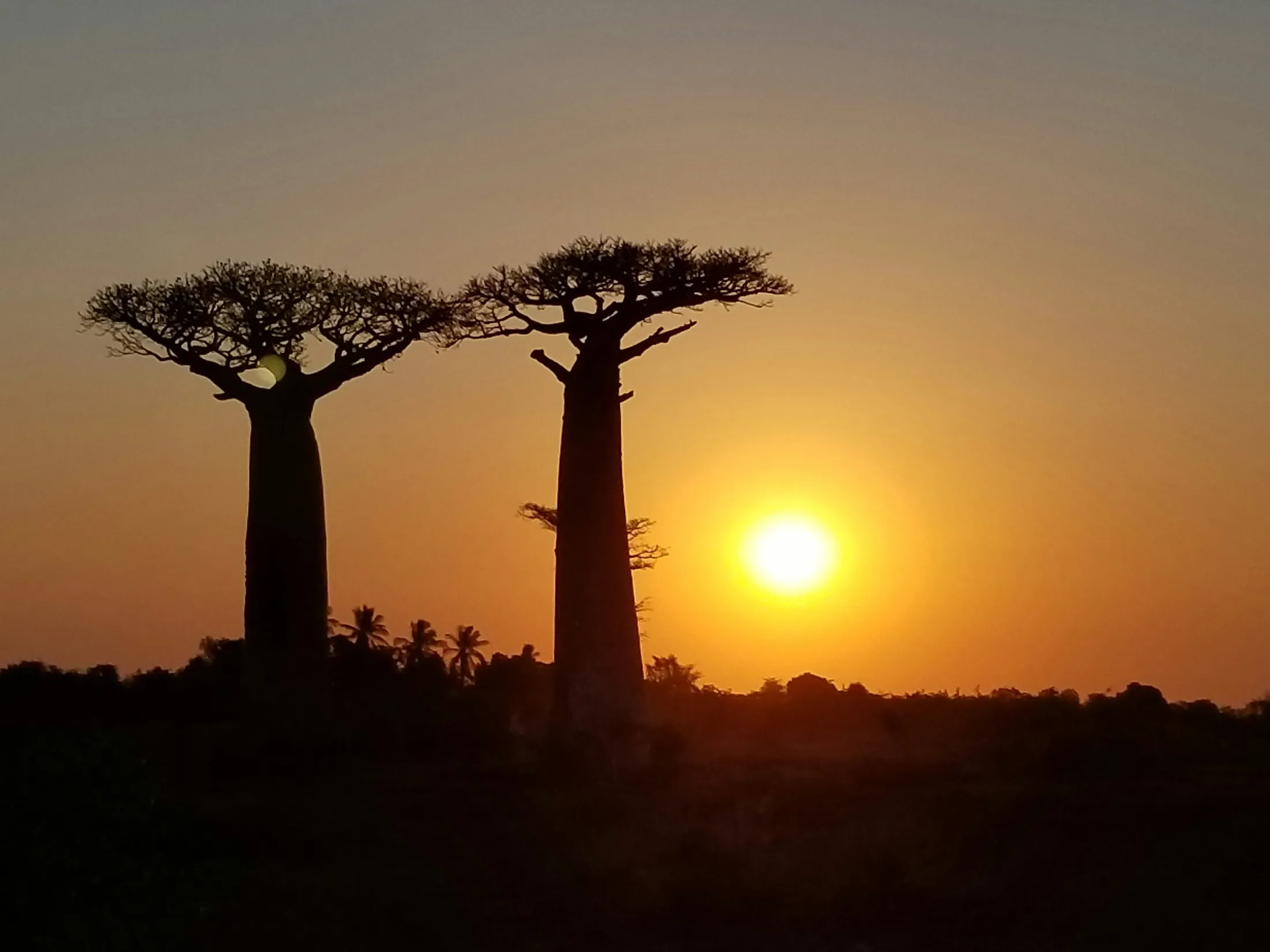
BaoBao trees in sunset.
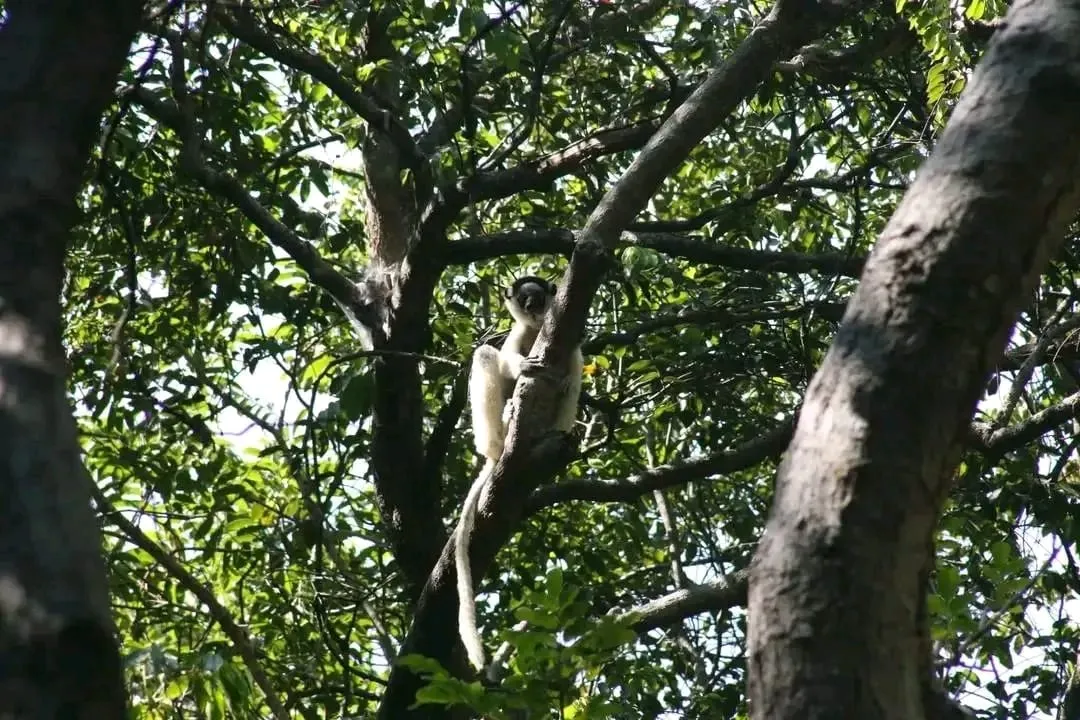
A small animal amongst trees.
A view of a valley with trees and dried up river bed.
People hiking on a plain.

Madagascar

The Island of Endless Contrasts

Madagascar

The Island of Endless Contrasts

From USD 6186

Join us on an unforgettable journey through Madagascar’s diverse landscapes. We’ll head to the highlands of Isandra, hike through the gorges of the Makay Massif, visit the Baobab Avenue, and meet lemurs in the national park, before wrapping up with a couple of lazy days on the beach in Belo sur Mer. The trip offers beautiful hikes, unique wildlife, and encounters with local culture, a true taste of Madagascar’s nature and diversity. You won’t want to miss this!

We invite you to join us on a pilot trip to this new destination. This means it’s the first time we’re running this trip, and you’ll be among the first to take part in this adventure. Together with the Norwegian guide, you’ll help us evaluate how the trip goes and suggest any adjustments we should make to ensure the best possible experience. Your feedback is important to us, which is why we’ve reduced the price of the trip by 10% compared to a regular departure. Are you up for the challenge?

Highlights

  • The highlands of Isandra
  • The gorges of the Makay Massif
  • Idyllic beaches in Belo sur Mer
  • The Baobab Alley
  • Kirindy National Park

Madagascar is a travel destination that feels like another world. Here you’ll find pristine rainforests, dramatic mountain formations, endless savannas, and pristine white beaches—all surrounded by wildlife you won’t find anywhere else on Earth. The island, the world’s fourth-largest, has been isolated from the mainland for over 80 million years, creating a unique ecosystem where over 90% of animal and plant species are endemic.

Madagascar is also a cultural melting pot, influenced by African, Asian, and European traditions. From the bustling markets in the capital, Antananarivo, to small fishing villages along the coast, you’ll encounter warm smiles, colorful rituals, and a strong connection to nature.

The northern Makay Massif is one of Madagascar’s best-kept secrets. This isolated mountainous region features a network of deep gorges, rivers, and lush valleys, shaped by millions of years of erosion. Here you’ll find unique wildlife, including rare lemurs, camouflaged chameleons, and colorful birds. We’ll spend the night under the open starry sky in a wilderness camp along the riverbank, far from civilization. We should expect to carry some of the gear we’ll need on this 8-day hike in the Makay Massif.

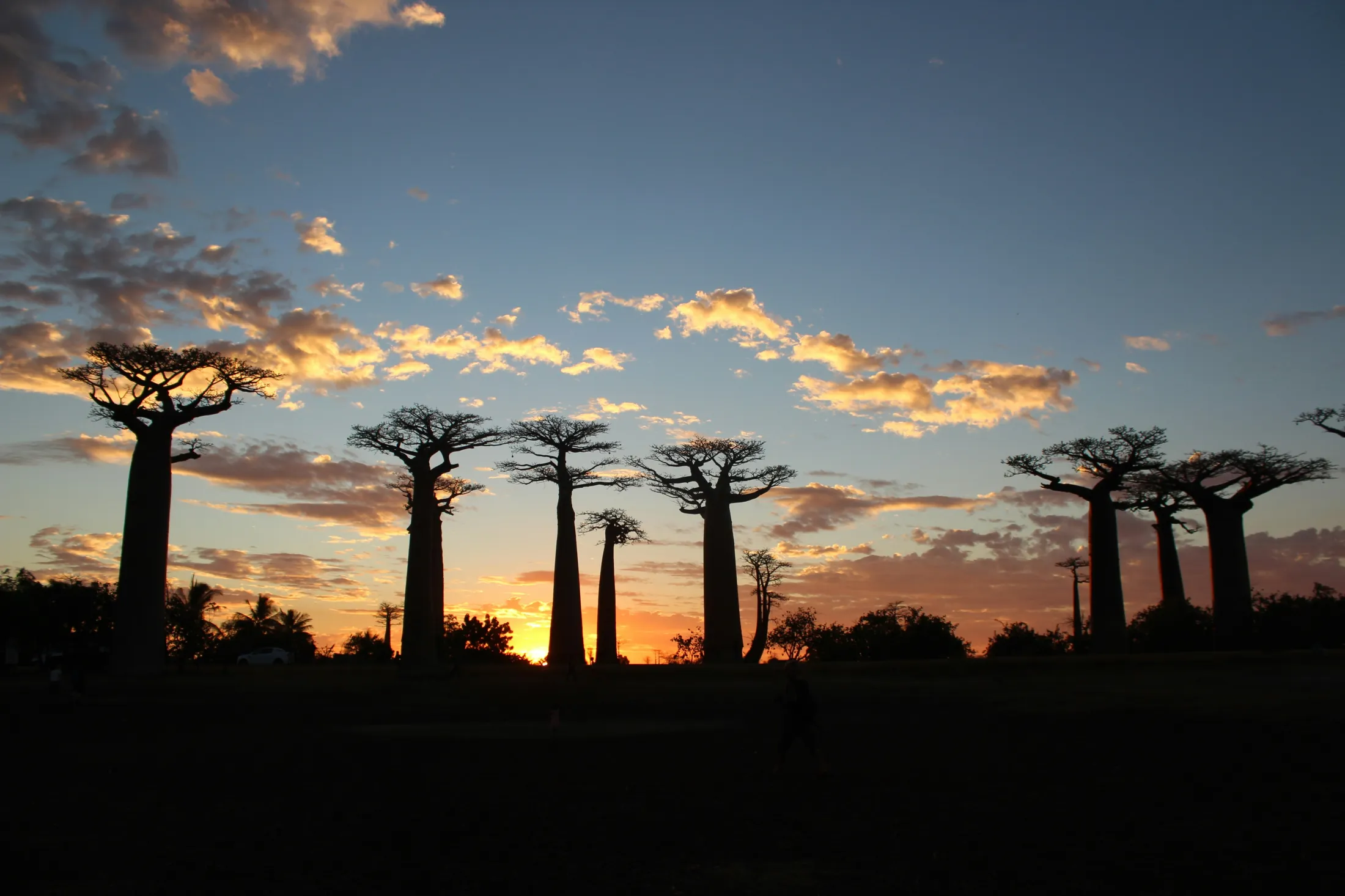
After our days in Makay’s mountainous landscape, we’ll continue on to one of Madagascar’s most iconic sights, the Baobab Alley. This is one of the world’s most photographed roads, with ancient baobab trees stretching toward the sky like giant, ancient guardians. Watching the sunset here, as the light bathes the trees in gold and orange, is a magnificent experience.

In Kirindy, we’ll have the chance to experience Madagascar’s exciting wildlife up close. The park is particularly known for the “fosa,” Madagascar’s largest predator, and you can also spot several nocturnal lemurs, reptiles, and colorful bird species. We’ll take an exciting night walk through the forest to discover some of the island’s rarest animals.

After intense days in the interior, we’ll conclude our trip in the idyllic coastal village of Belo sur Mer. Here, pristine white beaches, crystal-clear waters, and a rich marine ecosystem await. The area is known for its traditional boatbuilding craftsmanship, where local artisans still build wooden boats using ancient methods. Here you can relax, snorkel among colorful coral reefs, and enjoy fresh seafood in a dreamlike setting.

18

9-12

NO/EN

3/6

2/6

3/6

Dates and booking
There are no departures on this trip.
Can't find a date? We'll notify you when new trips open!

Plan it your way

Want this trip just for your group? Or got something different in mind? We've got you.

Make this a private trip

Opening hours Phone
Mon-Fri : 08-20
Sat-Sun : 14-17
Opening hours Chat
Mon-Fri : 07-23
Sat : 10-18
Sun : 13-21
CET

Day by day

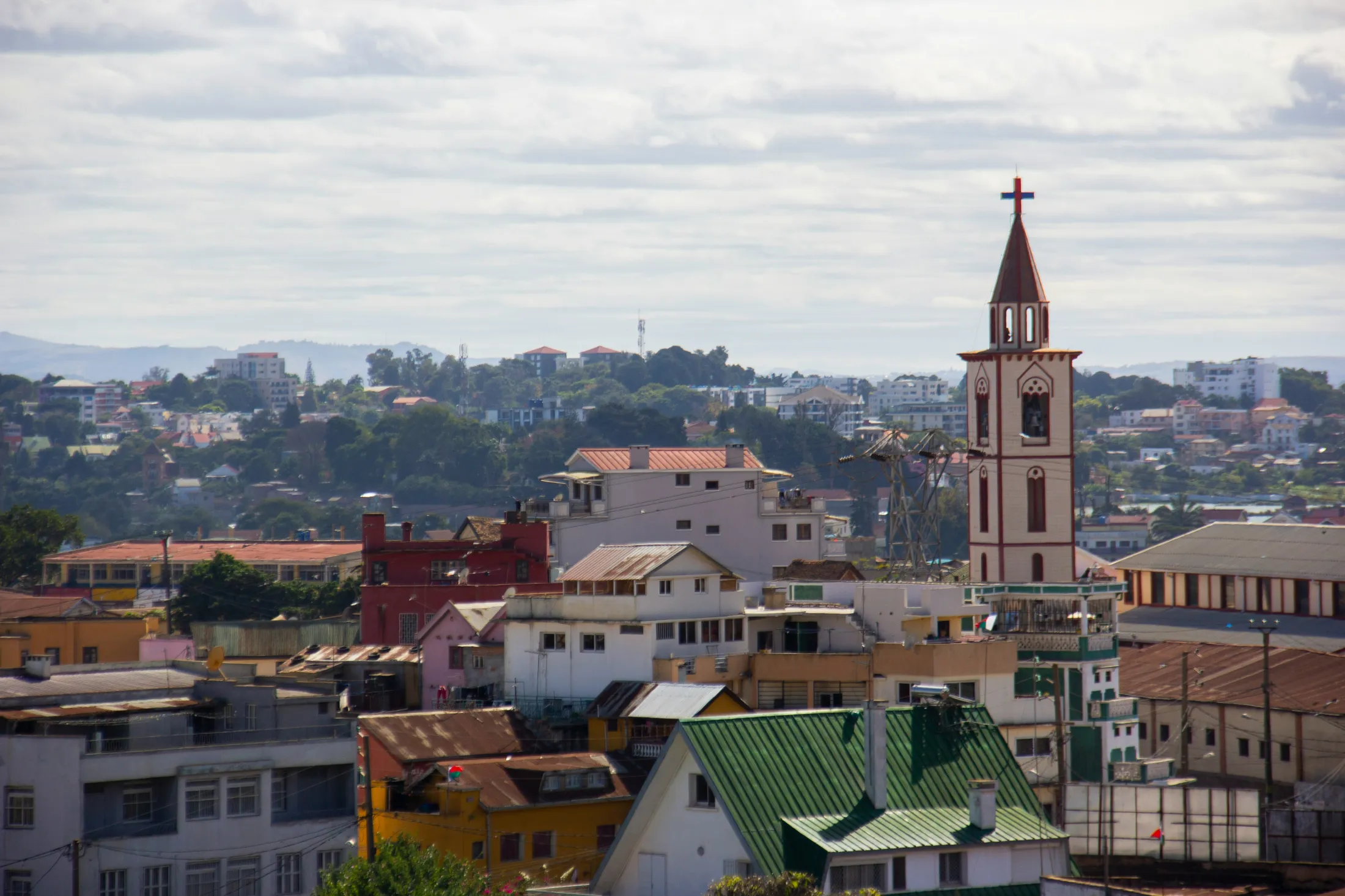
A church steeple with a red cross stands above a dense landscape of colorful city buildings stretching toward distant green hills under a cloudy sky.

Day 1:We land in the capital city of Antananarivo

We start this trip very early the same morning or late the day before, depending on which airline we book. We spend a good few hours on the journey, but it is well worth it when we finally land in this exciting country, which we look forward to exploring. After arrival in Antananarivo, the capital of Madagascar, we are picked up at the airport and driven directly on to Antsirabe. Here we find the hotel and a dinner before we crash after a long journey.

We start this trip very early the same morning or late the day before, depending on which airline we book. We spend a good few hours on the journey, but it is well worth it when we finally land in this exciting country, which we look forward to exploring. After arrival in Antananarivo, the capital of Madagascar, we are picked up at the airport and driven directly on to Antsirabe. Here we find the hotel and a dinner before we crash after a long journey.

Hotel

-,-,D

5 hours

175 km

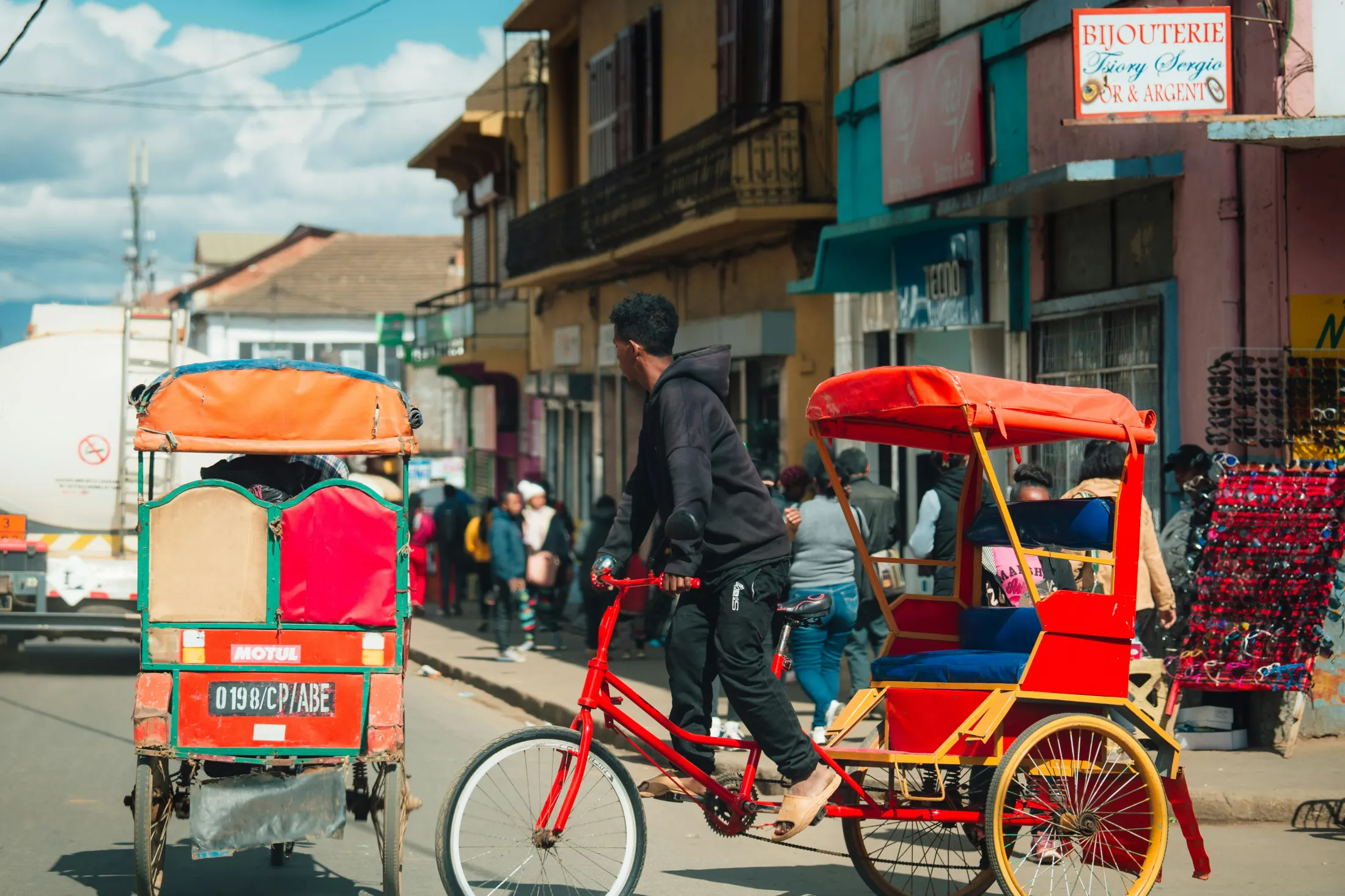
A young man dressed in dark clothes rides a bright red cycle rickshaw down a busy city street flanked by colorful storefronts.

Day 2:Antsirabe

We wake up to an exciting first day in a new country. Antsirabe is known as "the city of water" because of its hot springs and lakes. Today there will be a city walk where we among other things visit a Zebu horn factory, where the animal's horn is transformed into beautiful and unique handicraft products.

We wake up to an exciting first day in a new country. Antsirabe is known as "the city of water" because of its hot springs and lakes. Today there will be a city walk where we among other things visit a Zebu horn factory, where the animal's horn is transformed into beautiful and unique handicraft products.

Hotel

B,-,-

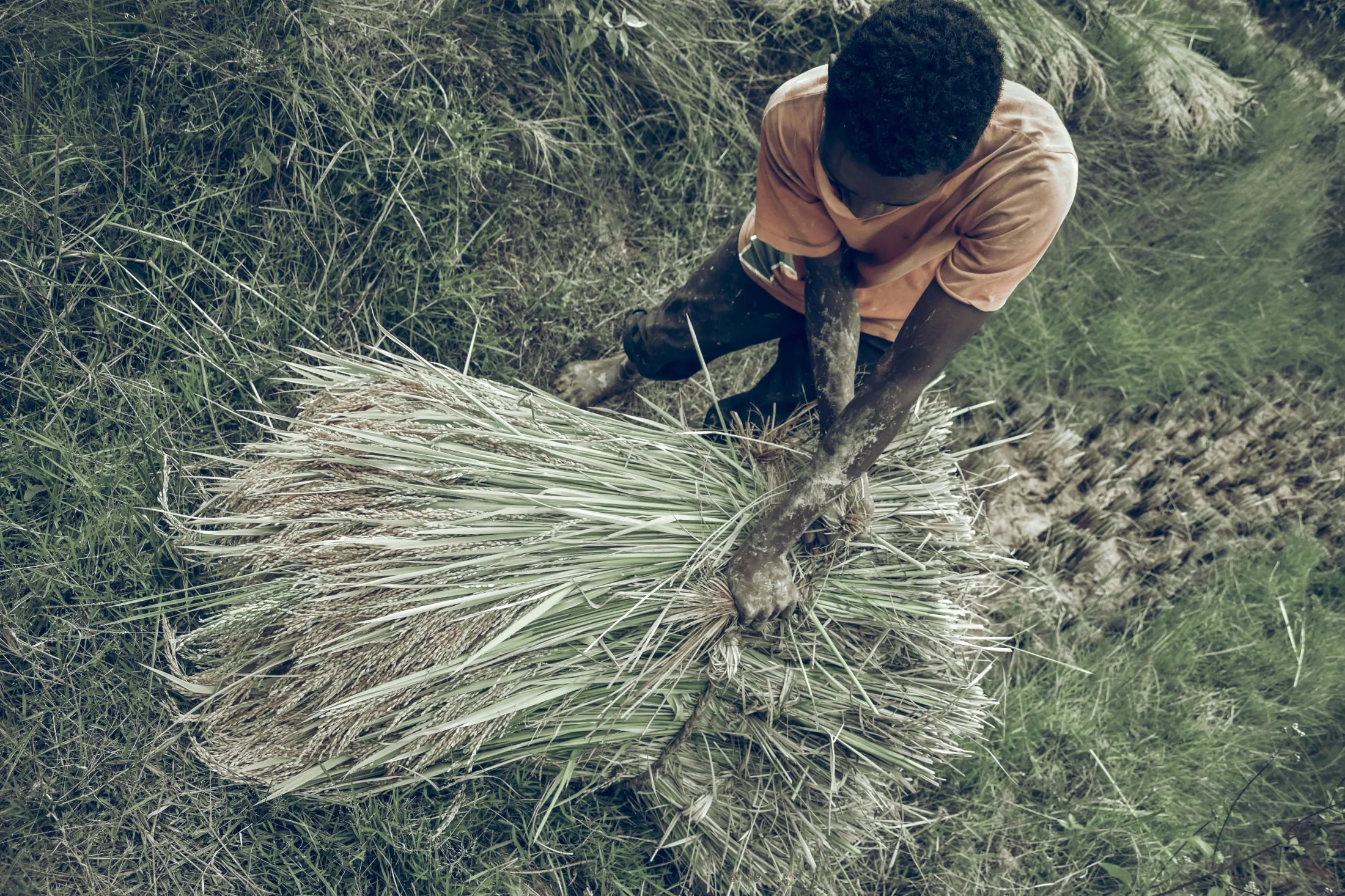
A person in an orange shirt kneels on a grassy field while bundling harvested stalks of rice together.

Day 3:Trip to Madagascar's highlands and the Isandra Waterfall

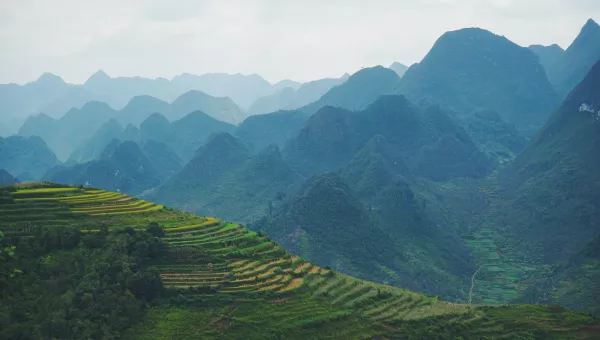
Today we are going on our first hike in Madagascar. We drive towards the border of Vakinankaratra and stop near Ambositra and walk from here into the lush highlands. The highlands have a varied landscape with green rice fields, terraced fields and forested hills. The trip goes through traditional villages where we can meet the locals and see their agricultural traditions. If we are lucky we also get an insight into some of Madagascar's many endemic birds, small mammals and vegetation that includes medicinal plants and ancient trees. We will visit the Isandra Waterfall, which is the highest waterfall in the region, surrounded by lush vegetation and dramatic rock formations. This will be a great conclusion to today's hike. We drive back to our hotel in Antsirabe.

Today we are going on our first hike in Madagascar. We drive towards the border of Vakinankaratra and stop near Ambositra and walk from here into the lush highlands. The highlands have a varied landscape with green rice fields, terraced fields and forested hills. The trip goes through traditional villages where we can meet the locals and see their agricultural traditions. If we are lucky we also get an insight into some of Madagascar's many endemic birds, small mammals and vegetation that includes medicinal plants and ancient trees. We will visit the Isandra Waterfall, which is the highest waterfall in the region, surrounded by lush vegetation and dramatic rock formations. This will be a great conclusion to today's hike. We drive back to our hotel in Antsirabe.

Hotel

B,-,-

4 hours

5 hours

A white lemur with a dark face perches in the fork of a tree branch surrounded by dense green foliage.

Day 4:Westwards to Miandrivazo

We are heading west for a travel day, starting with an early departure from Antsirabe toward the Sakalava region. Along the way, we will pass through a landscape filled with rice fields and vibrant red soil. We will stop for lunch halfway through the drive in Mandoto, a small town along the route. In the afternoon, we arrive in Miandrivazo, known as the city of the Sakalava people. Located along the Mahajilo River, this area is one of the warmest places in Madagascar.

We are heading west for a travel day, starting with an early departure from Antsirabe toward the Sakalava region. Along the way, we will pass through a landscape filled with rice fields and vibrant red soil. We will stop for lunch halfway through the drive in Mandoto, a small town along the route. In the afternoon, we arrive in Miandrivazo, known as the city of the Sakalava people. Located along the Mahajilo River, this area is one of the warmest places in Madagascar.

Hotel

B,-,-

7 hours

230 km

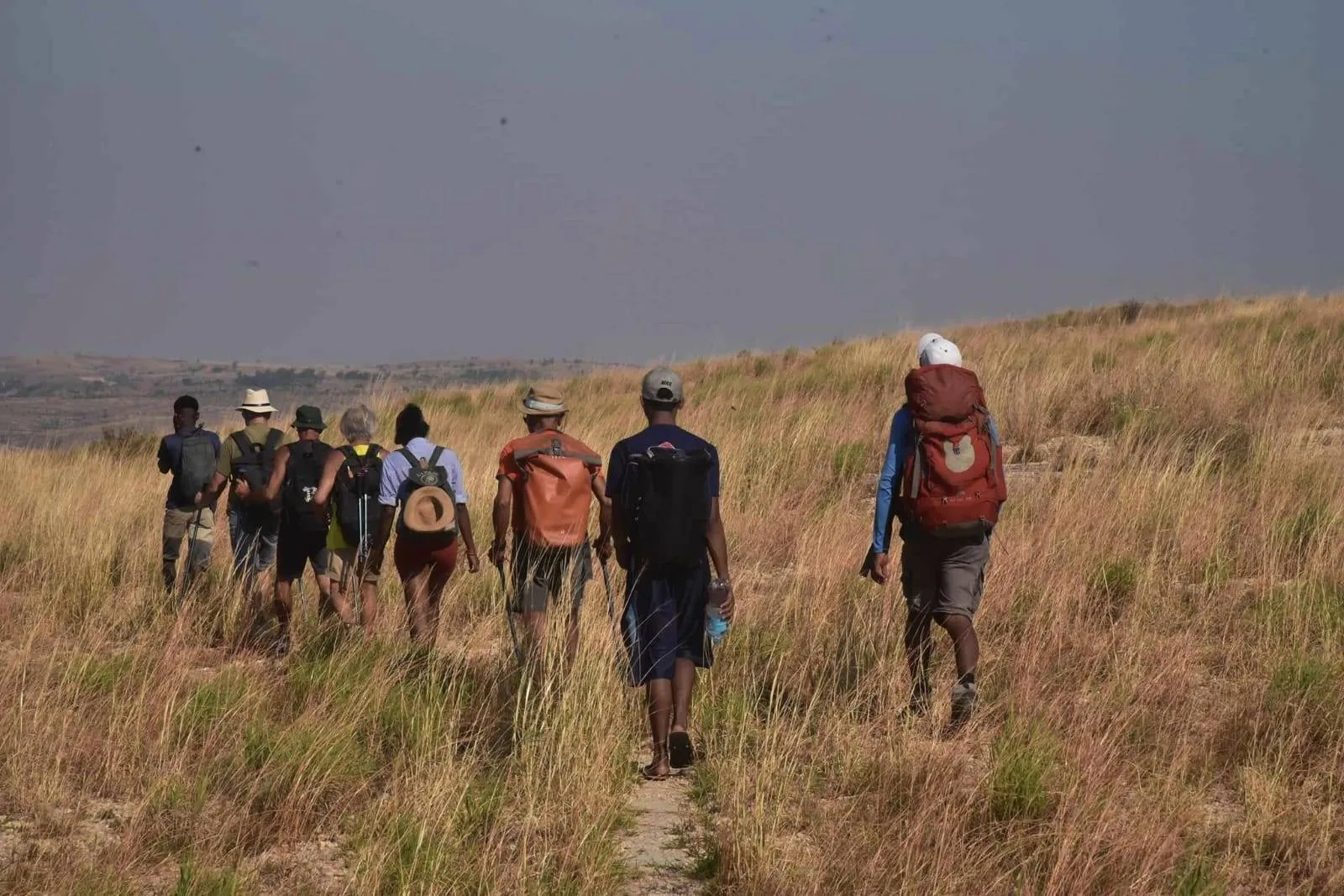
A group of hikers with backpacks single-file walks along a narrow trail through tall, dry grass.

Day 5:The wilderness awaits - hike start from Tsiazorambo

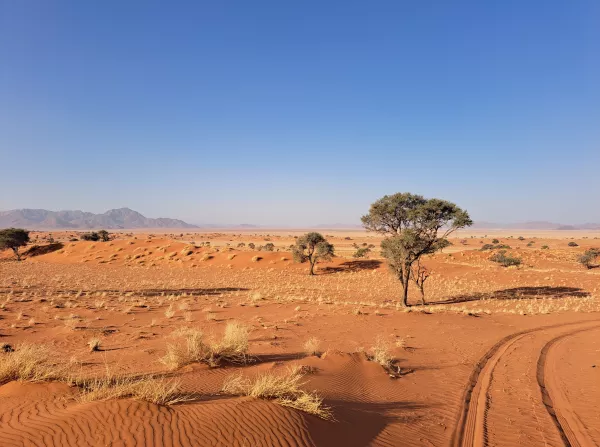
After breakfast we leave Miandrivazo and drive south in rugged 4WD vehicles. The drive takes about half a day and goes through a beautiful and desolate landscape with vast plains and rock formations. Near Malaimbandy the real wilderness adventure begins as we leave the paved road and head off-road toward the village of Tsiazorambo. Along the way we take a break to enjoy our packed lunch. Upon reaching the village, we meet the crew before setting out on our first hike into the Makay massif, one of Madagascar's most pristine and spectacular natural areas. We will hike about 8 km through varied terrain to reach tonight's camp, located by an idyllic river and surrounded by lush vegetation and cliff formations. The day offers a first taste of Makay's wild, isolated nature, concluding with dinner under a starry sky before we turn in for the night.

After breakfast we leave Miandrivazo and drive south in rugged 4WD vehicles. The drive takes about half a day and goes through a beautiful and desolate landscape with vast plains and rock formations. Near Malaimbandy the real wilderness adventure begins as we leave the paved road and head off-road toward the village of Tsiazorambo. Along the way we take a break to enjoy our packed lunch. Upon reaching the village, we meet the crew before setting out on our first hike into the Makay massif, one of Madagascar's most pristine and spectacular natural areas. We will hike about 8 km through varied terrain to reach tonight's camp, located by an idyllic river and surrounded by lush vegetation and cliff formations. The day offers a first taste of Makay's wild, isolated nature, concluding with dinner under a starry sky before we turn in for the night.

Tent

B,L,D

5 hours

3 hours

8 km

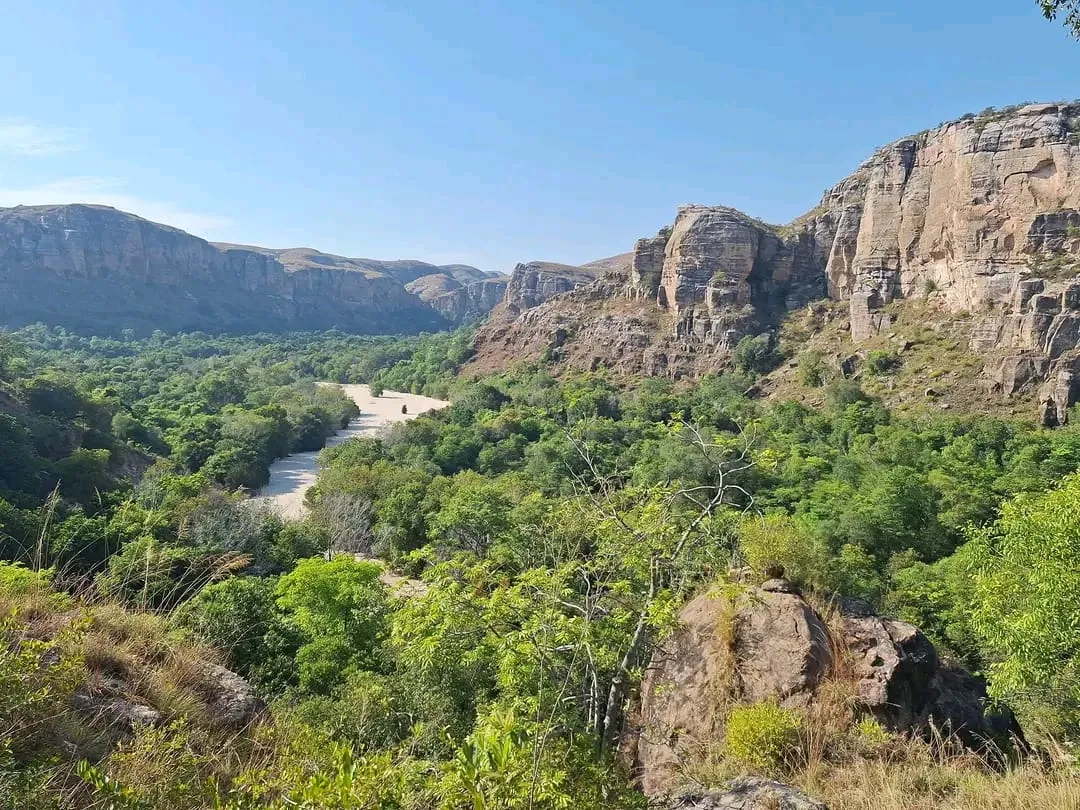
A wide riverbed winds through a lush green valley bordered by steep, rocky cliffs under a clear blue sky.

Day 6-11:Makay North

Over six full days, we will trek through the northern part of the Makay Massif. This isolated area features a landscape of dry savannas and labyrinthine canyons, where rivers wind through sandstone formations and forested valleys—which fill with water and become impassable during the rainy season. In winter, however, the area is drier, allowing us to hike across the savanna, through the canyons, and along dry riverbeds of white sand. Even so, we should expect to walk in water at times, both crossing small rivers and wading for longer stretches. These formations have been shaped by wind and water over millions of years and continue to change from year to year. Additionally, Makay has a rich cultural history, with ancient cave paintings showing evidence of human presence thousands of years ago. On the final day, the loop is completed as we reach our camp outside the village of Tsiazorambo, where we will spend our last night in tents. Porters will accompany us to carry communal gear, food, tents, and sleeping bags, but you must carry your own daypack with the personal gear, clothing, food, and water needed during the day.

Over six full days, we will trek through the northern part of the Makay Massif. This isolated area features a landscape of dry savannas and labyrinthine canyons, where rivers wind through sandstone formations and forested valleys—which fill with water and become impassable during the rainy season. In winter, however, the area is drier, allowing us to hike across the savanna, through the canyons, and along dry riverbeds of white sand. Even so, we should expect to walk in water at times, both crossing small rivers and wading for longer stretches. These formations have been shaped by wind and water over millions of years and continue to change from year to year. Additionally, Makay has a rich cultural history, with ancient cave paintings showing evidence of human presence thousands of years ago. On the final day, the loop is completed as we reach our camp outside the village of Tsiazorambo, where we will spend our last night in tents. Porters will accompany us to carry communal gear, food, tents, and sleeping bags, but you must carry your own daypack with the personal gear, clothing, food, and water needed during the day.

Tent

B,L,D

7-8 hours

A close-up shot of a ring-tailed lemur with bright orange eyes looking straight forward while holding onto wooden posts.

Day 12:Back to civilization - heading for the west coast

We conclude our wilderness adventure with the hike back to Tsiazorambo. Here we are picked up and head toward the west coast of Madagascar. On the way to Kirindy Forest, a private nature reserve, we pass the legendary Avenue of the Baobabs, with several species of these iconic trees that are only found in Madagascar. We will also get to see this famous 'Baobab Alley' tomorrow afternoon. Upon arrival at Kirindy Forest an exciting night walk awaits. This is a unique opportunity to observe rare, nocturnal lemurs and other endemic wildlife. One of the top attractions here is the "fosa", Madagascar's largest predatory mammal. We are staying at a nice lodge near the Kirindy Forest reserve.

We conclude our wilderness adventure with the hike back to Tsiazorambo. Here we are picked up and head toward the west coast of Madagascar. On the way to Kirindy Forest, a private nature reserve, we pass the legendary Avenue of the Baobabs, with several species of these iconic trees that are only found in Madagascar. We will also get to see this famous 'Baobab Alley' tomorrow afternoon. Upon arrival at Kirindy Forest an exciting night walk awaits. This is a unique opportunity to observe rare, nocturnal lemurs and other endemic wildlife. One of the top attractions here is the "fosa", Madagascar's largest predatory mammal. We are staying at a nice lodge near the Kirindy Forest reserve.

Hotel

B,L,-

7 hours

3 hours

8 km

Tall baobab trees stand in silhouette against a vibrant sunset sky filled with golden and blue clouds.

Day 13:Kirindy Forest and baobab trees

We start the day with a morning hike in the Kirindy Forest nature reserve to spot the wildlife that is active during the day. Here, we will have the opportunity to see rare lemurs, birds, and other endemic species in their natural habitat. After lunch, we travel onward toward the coastal town of Morondava. Along the way, we stop to admire Madagascar's iconic baobab trees that we drove past yesterday. We first visit the 'Sacred Baobab,' then the 'Baobab in Love,' before ending the day at the famous Avenue of the Baobabs. Here, we will experience the majestic trees in the sunset light—one of Madagascar's most photographed spots.

We start the day with a morning hike in the Kirindy Forest nature reserve to spot the wildlife that is active during the day. Here, we will have the opportunity to see rare lemurs, birds, and other endemic species in their natural habitat. After lunch, we travel onward toward the coastal town of Morondava. Along the way, we stop to admire Madagascar's iconic baobab trees that we drove past yesterday. We first visit the 'Sacred Baobab,' then the 'Baobab in Love,' before ending the day at the famous Avenue of the Baobabs. Here, we will experience the majestic trees in the sunset light—one of Madagascar's most photographed spots.

Hotel

B,-,-

4 hours

60 km

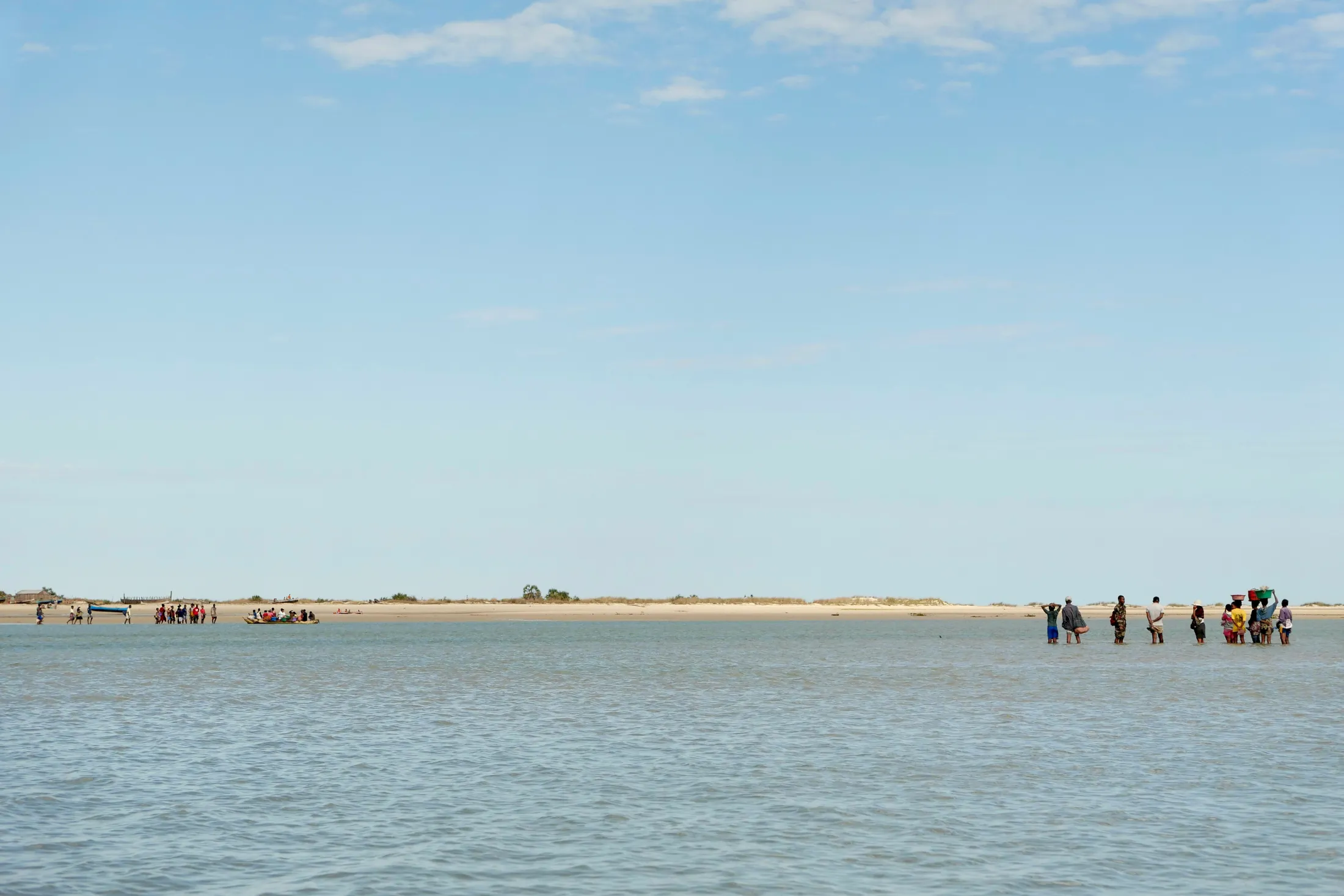
People stand in shallow water near a sandy shoreline while a small boat carrying passengers floats in the distance under a clear blue sky.

Day 14:Boat to Belo sur Mer

After breakfast we take a private speedboat from Morondava to Belo sur Mer. The boat trip takes about 2.5 hours, and we arrive at one of Madagascar's most charming coastal towns. Belo sur Mer is home to the Vezo people, known for their skills in traditional wooden boat building. They handcraft traditional wooden boats called "boutres", which are an important part of both fishing and trading activity in the region. The city is also an idyllic beach paradise with calm, crystal clear water and a relaxed atmosphere. Here we get time to enjoy the beach and experience local life.

After breakfast we take a private speedboat from Morondava to Belo sur Mer. The boat trip takes about 2.5 hours, and we arrive at one of Madagascar's most charming coastal towns. Belo sur Mer is home to the Vezo people, known for their skills in traditional wooden boat building. They handcraft traditional wooden boats called "boutres", which are an important part of both fishing and trading activity in the region. The city is also an idyllic beach paradise with calm, crystal clear water and a relaxed atmosphere. Here we get time to enjoy the beach and experience local life.

Hotel

B,-,-

2.5 hours

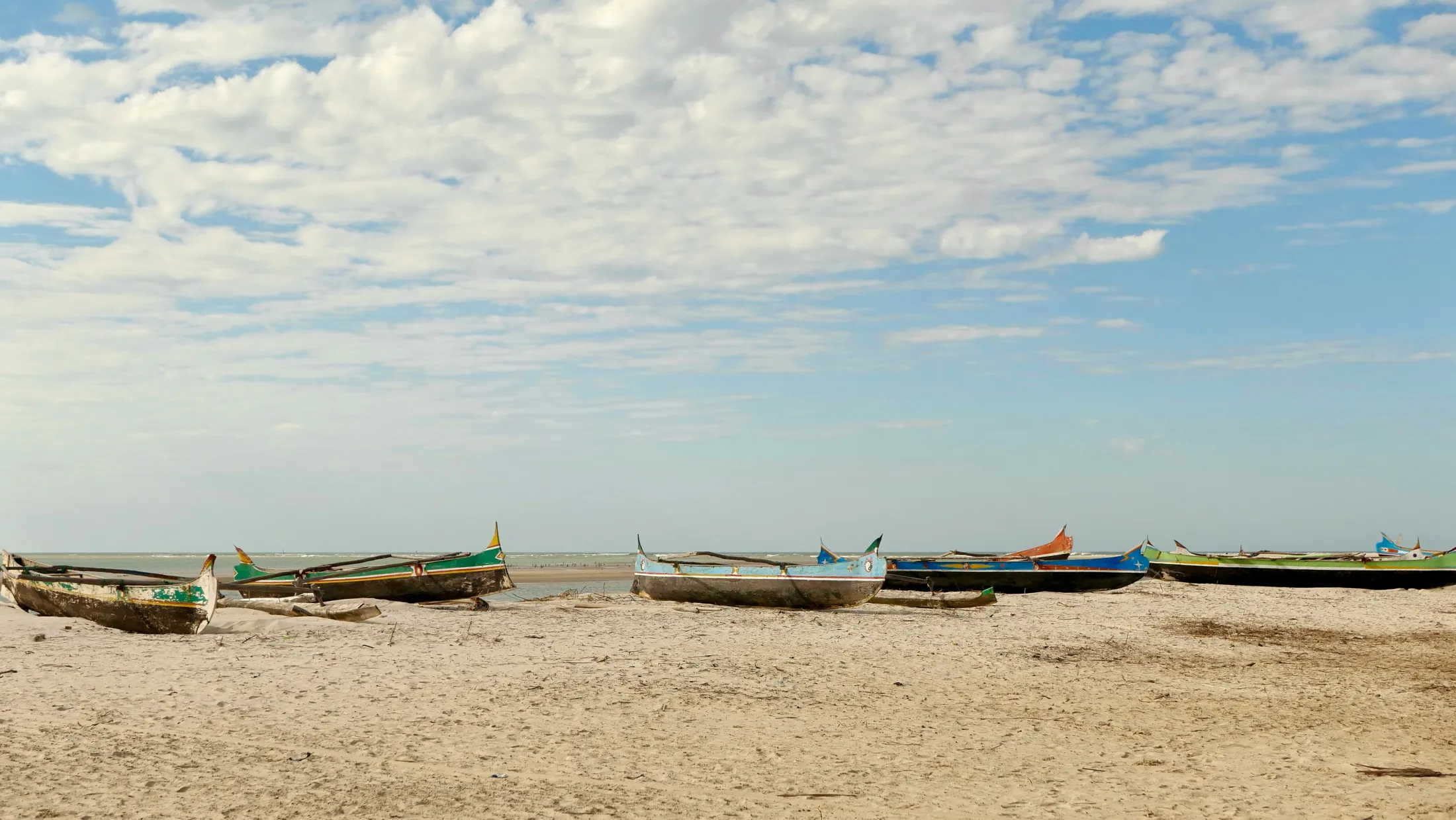
Several colorful wooden pirogues rest on a sandy beach looking out toward the ocean under a cloud-filled sky.

Day 15:Idyllic beach life

This day is dedicated to relaxation in Belo sur Mer, along with an excursion to the Kirindy Mitea Marine Reserve. This marine portion of the Kirindy Mitea National Park consists of features like small islands and offshore coral reefs just off the coast of Belo. Here, we will have the opportunity to snorkel by the coral reef, swim, and relax. We will also be served lunch prepared by our crew.

This day is dedicated to relaxation in Belo sur Mer, along with an excursion to the Kirindy Mitea Marine Reserve. This marine portion of the Kirindy Mitea National Park consists of features like small islands and offshore coral reefs just off the coast of Belo. Here, we will have the opportunity to snorkel by the coral reef, swim, and relax. We will also be served lunch prepared by our crew.

Hotel

B,-,-

2 hours

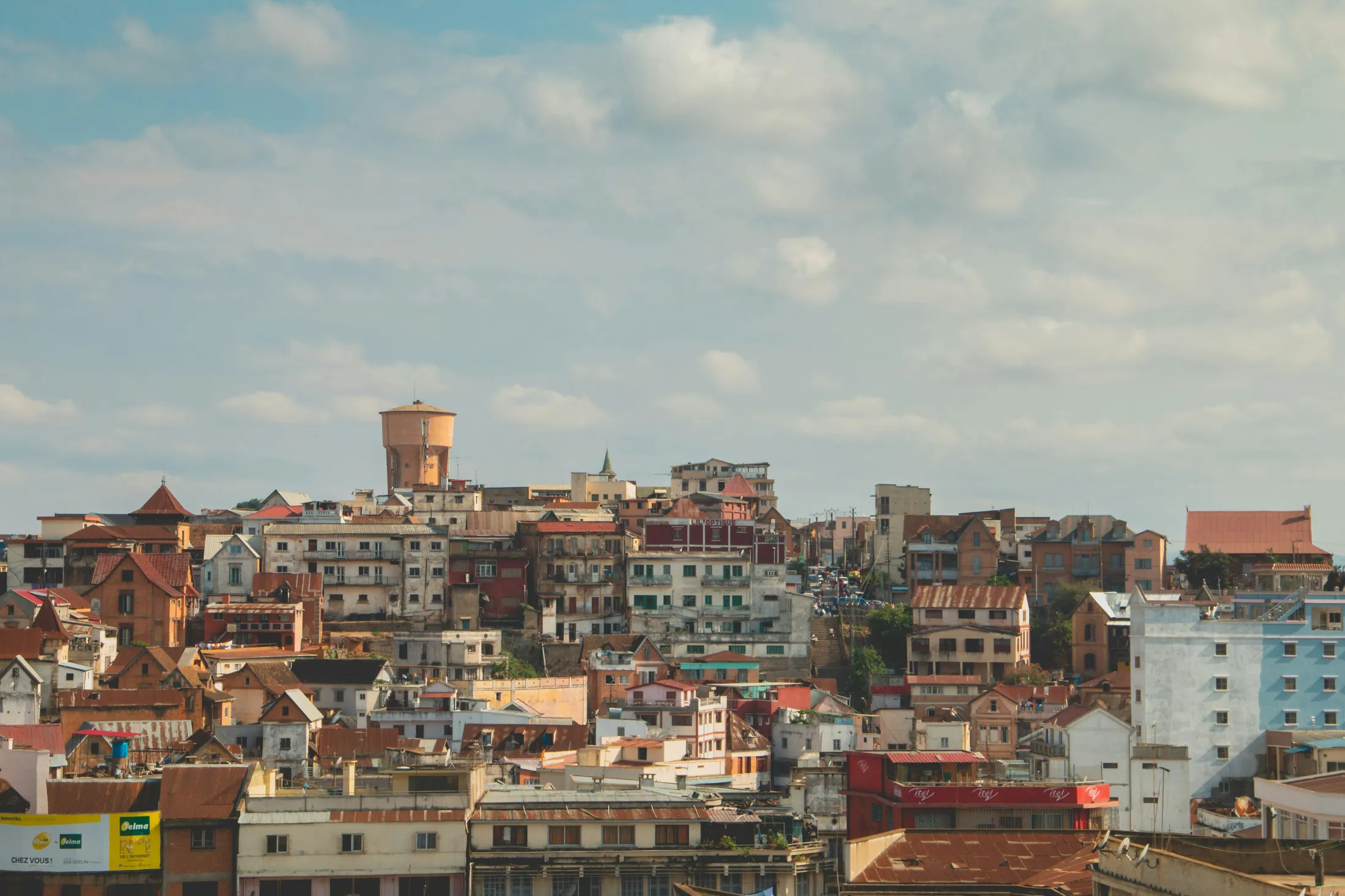
A dense hillside city landscape featuring multi-story buildings and a prominent water tower under a partly cloudy sky.

Day 16:Back to the capital

After an early breakfast we leave Belo sur Mer. We take the local speedboat back to Morondava and then domestic flight (approx. 2 hours) back to the capital, Antananarivo. Here we stay overnight near the airport and get a short journey the next day to reach the flight home.

After an early breakfast we leave Belo sur Mer. We take the local speedboat back to Morondava and then domestic flight (approx. 2 hours) back to the capital, Antananarivo. Here we stay overnight near the airport and get a short journey the next day to reach the flight home.

Hotel

B,-,-

3 hours

A ring-tailed lemur with striking yellow eyes curls up on a wooden log, wrapping its fluffy, striped tail around itself.

Day 17:Heading home

We travel home with good memories from Madagascar's varied landscape and rich culture. We hope memories from the green highlands, the canyons of Makay, the baobab trees, the wildlife in Kirindy Forest reserve and the peaceful beaches will stay with you for a long time. In addition, the desire for a new exotic destination might come faster than you were prepared for :)

We travel home with good memories from Madagascar's varied landscape and rich culture. We hope memories from the green highlands, the canyons of Makay, the baobab trees, the wildlife in Kirindy Forest reserve and the peaceful beaches will stay with you for a long time. In addition, the desire for a new exotic destination might come faster than you were prepared for :)

Flight

-,-,-

Day 18:Arrival home

We start this trip very early the same morning or late the day before, depending on which airline we book. We spend a good few hours on the journey, but it is well worth it when we finally land in this exciting country, which we look forward to exploring. After arrival in Antananarivo, the capital of Madagascar, we are picked up at the airport and driven directly on to Antsirabe. Here we find the hotel and a dinner before we crash after a long journey.

Hotel

-,-,D

5 hours

175 km

We wake up to an exciting first day in a new country. Antsirabe is known as "the city of water" because of its hot springs and lakes. Today there will be a city walk where we among other things visit a Zebu horn factory, where the animal's horn is transformed into beautiful and unique handicraft products.

Hotel

B,-,-

Today we are going on our first hike in Madagascar. We drive towards the border of Vakinankaratra and stop near Ambositra and walk from here into the lush highlands. The highlands have a varied landscape with green rice fields, terraced fields and forested hills. The trip goes through traditional villages where we can meet the locals and see their agricultural traditions. If we are lucky we also get an insight into some of Madagascar's many endemic birds, small mammals and vegetation that includes medicinal plants and ancient trees. We will visit the Isandra Waterfall, which is the highest waterfall in the region, surrounded by lush vegetation and dramatic rock formations. This will be a great conclusion to today's hike. We drive back to our hotel in Antsirabe.

Hotel

B,-,-

4 hours

5 hours

We are heading west for a travel day, starting with an early departure from Antsirabe toward the Sakalava region. Along the way, we will pass through a landscape filled with rice fields and vibrant red soil. We will stop for lunch halfway through the drive in Mandoto, a small town along the route. In the afternoon, we arrive in Miandrivazo, known as the city of the Sakalava people. Located along the Mahajilo River, this area is one of the warmest places in Madagascar.

Hotel

B,-,-

7 hours

230 km

After breakfast we leave Miandrivazo and drive south in rugged 4WD vehicles. The drive takes about half a day and goes through a beautiful and desolate landscape with vast plains and rock formations. Near Malaimbandy the real wilderness adventure begins as we leave the paved road and head off-road toward the village of Tsiazorambo. Along the way we take a break to enjoy our packed lunch. Upon reaching the village, we meet the crew before setting out on our first hike into the Makay massif, one of Madagascar's most pristine and spectacular natural areas. We will hike about 8 km through varied terrain to reach tonight's camp, located by an idyllic river and surrounded by lush vegetation and cliff formations. The day offers a first taste of Makay's wild, isolated nature, concluding with dinner under a starry sky before we turn in for the night.

Tent

B,L,D

5 hours

3 hours

8 km

Over six full days, we will trek through the northern part of the Makay Massif. This isolated area features a landscape of dry savannas and labyrinthine canyons, where rivers wind through sandstone formations and forested valleys—which fill with water and become impassable during the rainy season. In winter, however, the area is drier, allowing us to hike across the savanna, through the canyons, and along dry riverbeds of white sand. Even so, we should expect to walk in water at times, both crossing small rivers and wading for longer stretches. These formations have been shaped by wind and water over millions of years and continue to change from year to year. Additionally, Makay has a rich cultural history, with ancient cave paintings showing evidence of human presence thousands of years ago. On the final day, the loop is completed as we reach our camp outside the village of Tsiazorambo, where we will spend our last night in tents. Porters will accompany us to carry communal gear, food, tents, and sleeping bags, but you must carry your own daypack with the personal gear, clothing, food, and water needed during the day.

Tent

B,L,D

7-8 hours

We conclude our wilderness adventure with the hike back to Tsiazorambo. Here we are picked up and head toward the west coast of Madagascar. On the way to Kirindy Forest, a private nature reserve, we pass the legendary Avenue of the Baobabs, with several species of these iconic trees that are only found in Madagascar. We will also get to see this famous 'Baobab Alley' tomorrow afternoon. Upon arrival at Kirindy Forest an exciting night walk awaits. This is a unique opportunity to observe rare, nocturnal lemurs and other endemic wildlife. One of the top attractions here is the "fosa", Madagascar's largest predatory mammal. We are staying at a nice lodge near the Kirindy Forest reserve.

Hotel

B,L,-

7 hours

3 hours

8 km

We start the day with a morning hike in the Kirindy Forest nature reserve to spot the wildlife that is active during the day. Here, we will have the opportunity to see rare lemurs, birds, and other endemic species in their natural habitat. After lunch, we travel onward toward the coastal town of Morondava. Along the way, we stop to admire Madagascar's iconic baobab trees that we drove past yesterday. We first visit the 'Sacred Baobab,' then the 'Baobab in Love,' before ending the day at the famous Avenue of the Baobabs. Here, we will experience the majestic trees in the sunset light—one of Madagascar's most photographed spots.

Hotel

B,-,-

4 hours

60 km

After breakfast we take a private speedboat from Morondava to Belo sur Mer. The boat trip takes about 2.5 hours, and we arrive at one of Madagascar's most charming coastal towns. Belo sur Mer is home to the Vezo people, known for their skills in traditional wooden boat building. They handcraft traditional wooden boats called "boutres", which are an important part of both fishing and trading activity in the region. The city is also an idyllic beach paradise with calm, crystal clear water and a relaxed atmosphere. Here we get time to enjoy the beach and experience local life.

Hotel

B,-,-

2.5 hours

This day is dedicated to relaxation in Belo sur Mer, along with an excursion to the Kirindy Mitea Marine Reserve. This marine portion of the Kirindy Mitea National Park consists of features like small islands and offshore coral reefs just off the coast of Belo. Here, we will have the opportunity to snorkel by the coral reef, swim, and relax. We will also be served lunch prepared by our crew.

Hotel

B,-,-

2 hours

After an early breakfast we leave Belo sur Mer. We take the local speedboat back to Morondava and then domestic flight (approx. 2 hours) back to the capital, Antananarivo. Here we stay overnight near the airport and get a short journey the next day to reach the flight home.

Hotel

B,-,-

3 hours

We travel home with good memories from Madagascar's varied landscape and rich culture. We hope memories from the green highlands, the canyons of Makay, the baobab trees, the wildlife in Kirindy Forest reserve and the peaceful beaches will stay with you for a long time. In addition, the desire for a new exotic destination might come faster than you were prepared for :)

Flight

-,-,-

What's included in the price

Included

Round trip Oslo – Antananarivo, and Morondava – Antananarivo.

Norwegian-speaking guide on programs with Norwegian language.

English-speaking local guides, porters and cook.

All transportation as specified in the program.

In shared double room and two-person tent.

Meals as specified in the program.

Not included

For trips where flights are not included, please check our website to confirm that the departure is guaranteed before booking your own plane tickets. For each trip, we require a minimum number of confirmed participants before the departure can be guaranteed. 

We need a visa for stays over 15 days.

To local guides and assistants. Tips are a common and expected part of being a tourist in many of the destinations we visit. These are given in cash during the trip and therefore cannot be included in the trip price.

Available upon request, limited quantities.

Request quotes from other cities in Norway.

Terms and Conditions 

We reserve the right to change prices. The day by day program is indicative and changes may occur. We also refer to our general travel conditions.

Travel Insurance

On all our trips, we advise you to have full travel and accident insurance, which must also cover potential medical repatriation. Read more about travel insurance.

Highlights

Reviews

Rated
-
- reviews
(-)
(-)
(-)
(-)
(-)

Safety & Grading

Read more

For departures with Norrøna Adventure guides:

  • 24-hour emergency response
  • Guides trained in first aid in the field
  • Basic first aid equipment available
  • Cooperation with Turlegen.no for medical advice

On our trips, it is important to understand that we often will be traveling far off the beaten track. We will, of course, do everything we can to assist if anything should happen, but a potential rescue operation can be demanding. It is therefore extremely important that all participants arrive well-prepared and ready to handle unforeseen situations.

Physical level

3/6 Physical

Some segments of the journey may prove challenging. It's essential to possess a solid level of fitness prior to departure. Persistence will be required in reaching the trip's goal.

Comfort level

2/6 Comfort

We overnight in tents. We are usually served food, but may have to contribute with cooking on certain occasions.

Risk level

3/6 Risk

Activities/trips with some risk. Certain incidents may occur, and they may be of such a nature that they may require professional help.

Training and Preparations

This is a hike for those who are experienced hikers and in generally good physical condition. Longer hikes in the countryside, “hut-to-hut” treks, or camping trips in the mountains are good preparation. Hiking uphill with a backpack can also be good training. We have daily stages lasting up to 8–10 hours. We’ll have porters to help us on the hike in Makay, but we’ll still need to carry most of our own gear ourselves.

We also recommend that you read a little about the country and the trip you’re going on before you leave. This will make the experience more complete.

Visas, Vaccinations and Health

Before embarking on our journey together, we kindly remind all trip participants to check their respective country's visa status and vaccination requirements. Ensuring your travel documents are in order is a crucial step in guaranteeing a smooth and hassle-free adventure. 

Norwegian citizens need a visa to enter Madagascar for stays longer than 15 days. You can obtain this in advance or at the airport upon arrival. Bring a valid passport and a copy of your passport. Your passport must be valid for at least 6 months after your return date. See also the current entry and visa regulations at the Ministry of Foreign Affairs’ country pages.

If you are over 67 years old, you should have a thorough medical check-up before your trip. Make your doctor aware that this is a trip involving physical exertion and moving off the beaten track.

It is important that you complete all parts of the registration form (especially where we ask for information about health and allergies), and let us know if there is anything we need to be aware of prior to and during the trip. Relevant health information that may affect the trip should also be communicated to the guide at the start of the trip. *Note* - If you are on regular medication, have known allergies or anything similar, you must always bring your personal medication with you.

See the overview on FHI´s pages on travel health advice. For vaccination and guidance, please contact Sentrum Reisemedisin: Reisemedisin.no.

Additional Information

For trips where flights are not included, please check our website to confirm that the departure is guaranteed before booking your own plane tickets. For each trip, we require a minimum number of confirmed participants before the departure can be guaranteed.

On the hiking trip, we’ll stay in two-person tents or in hotels of varying standards.

It is not always easy to get hold of gluten-free wholemeal bread, lactose-free alternatives or to accommodate other food preferences. If you have any allergies, please let us know in the registration form and we will try to accommodate you as best we can. However, we would still recommend that anyone with special dietary needs bring some alternatives in the form of, for example, a packet of crispbread, energy bars or similar that you know you can eat.

Equipment list

This list is intended as a guideline, so that we have what we need regardless of the weather we get on the trip. Remember that you can also get used outdoor equipment that works perfectly. Get in touch if you have any questions. TIP: We recommend that you have the most important equipment in your hand luggage, for example hiking boots and gore-tex jacket/trousers.

Obligatory

Clothing

2-3 pairs. Wool or synthetic material.

We recommend thin wool.

Fleece or wool. 

Down or synthetic insulation.

Waterproof jacket and pants.

Small and light.

Footwear

Solid shoes, sole with good grip and traction.

Equipment

Avoid bringing a suitcase, they are more difficult to transport between hotels.

Needs to have space for everything you want to bring on the hikes.

Remember new/extra batteries.

A solid pair, with dark glass. 

Personal medicines and, for example, band-aids, blister plaster, sports tape, throat lozenges, nasal drops, Paracetamol/Ibuprofen, stomach regulators, etc.
We need to know about all medicines you are taking, in case something happens. 

Tooth brush, tooth paste, small towel, ear plugs, wet wipes, biodegradable soap, etc.

High SPF, 30-50. Remember chapstick for lips and nose. 

Toilet paper, antibac, and waste bags for the paper. Remember leave no trace.

You should be able to bring 2-3 litres of water.

Passport, tickets, bank card, proof of vaccination andproof of insurance. Remember to have a copy of important documents on your phone and/or somewhere in your bag. 

Recommended

Clothing

Thin, ultra light.

Short and tight, to prevent the sand from getting in your shoes.

In case of a short rain shower.

Footwear

Slippers, crocs, sandals or similar.

Equipment

Inflatable, for extra comfort. 

Light. Have to be foldable or telescope.

Nuts, chocolate, energy bars, etc.

Packing Tips

Nighttime temperatures rarely drop below 20 degrees, but it might still be a good idea to bring a sleeping bag with a comfort rating of +5 degrees.

During the hike in Makay, there are some sections where we’ll have to wade through the river. Therefore, for this trip, we recommend lightweight hiking shoes that dry quickly, rather than leather or Gore-Tex shoes, which rarely dry if they get wet on the inside. The shoes should have a sturdy sole with Vibram or Megagrip.

We recommend that you bring thin, long-sleeved shirts, both to protect against the sun and, at times, mosquitoes.

Bring a towel you can use to dry off thoroughly after wading in the river at Makay.

Toward the end of the trip, we’ll go on a short snorkeling excursion. Equipment is included, but you can choose to bring your own.

Recommended trips

Testimonial

A varied and rich trip. Brought out much of the identical Madagascar, people, animals, nature. Well facilitated. Skilled knowledgeable local guides. A trip that has some physically demanding walking. Good Norrøna tour leader.

– Rolv, 2026

Testimonial

This trip was a great experience.

– Jan - 2026